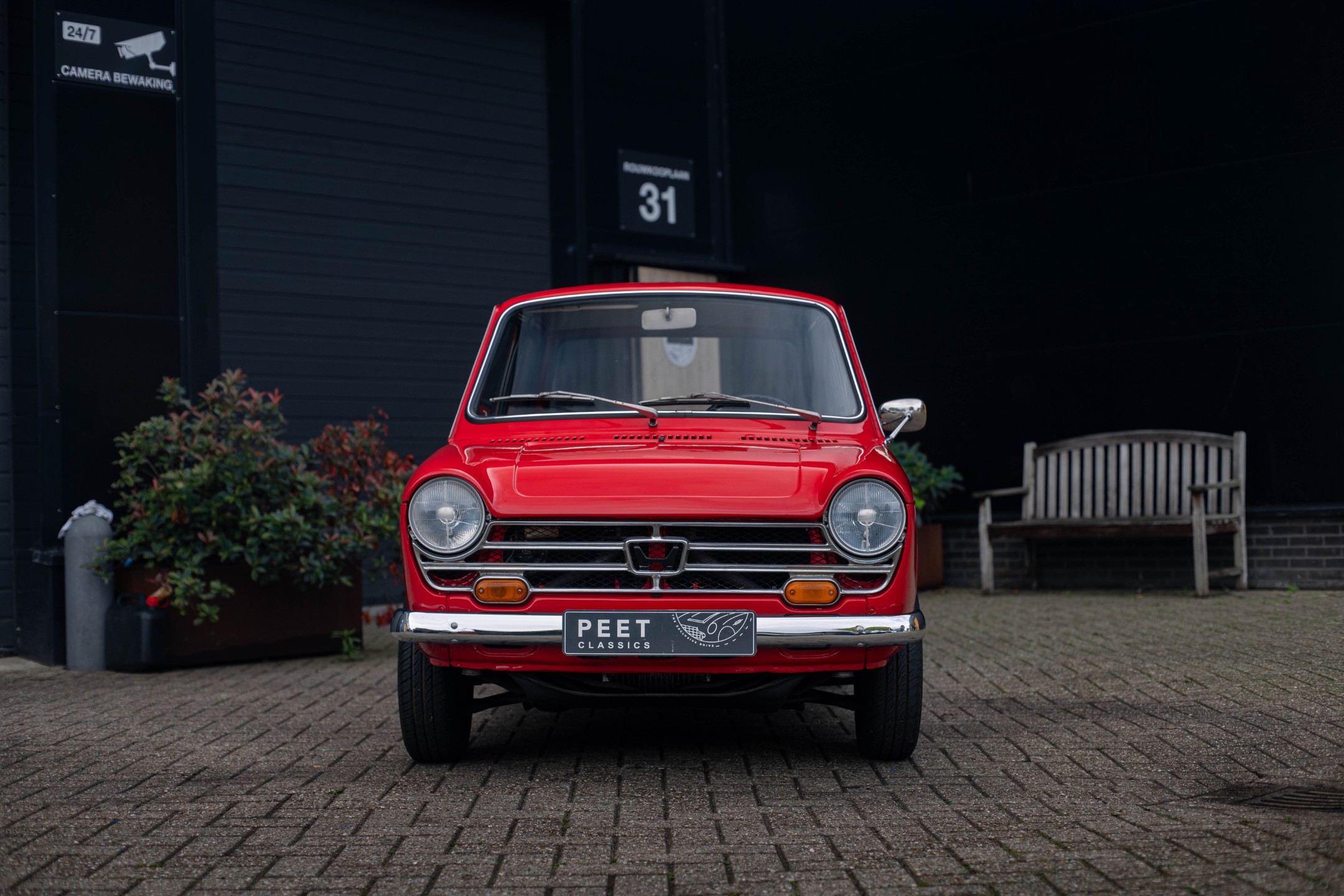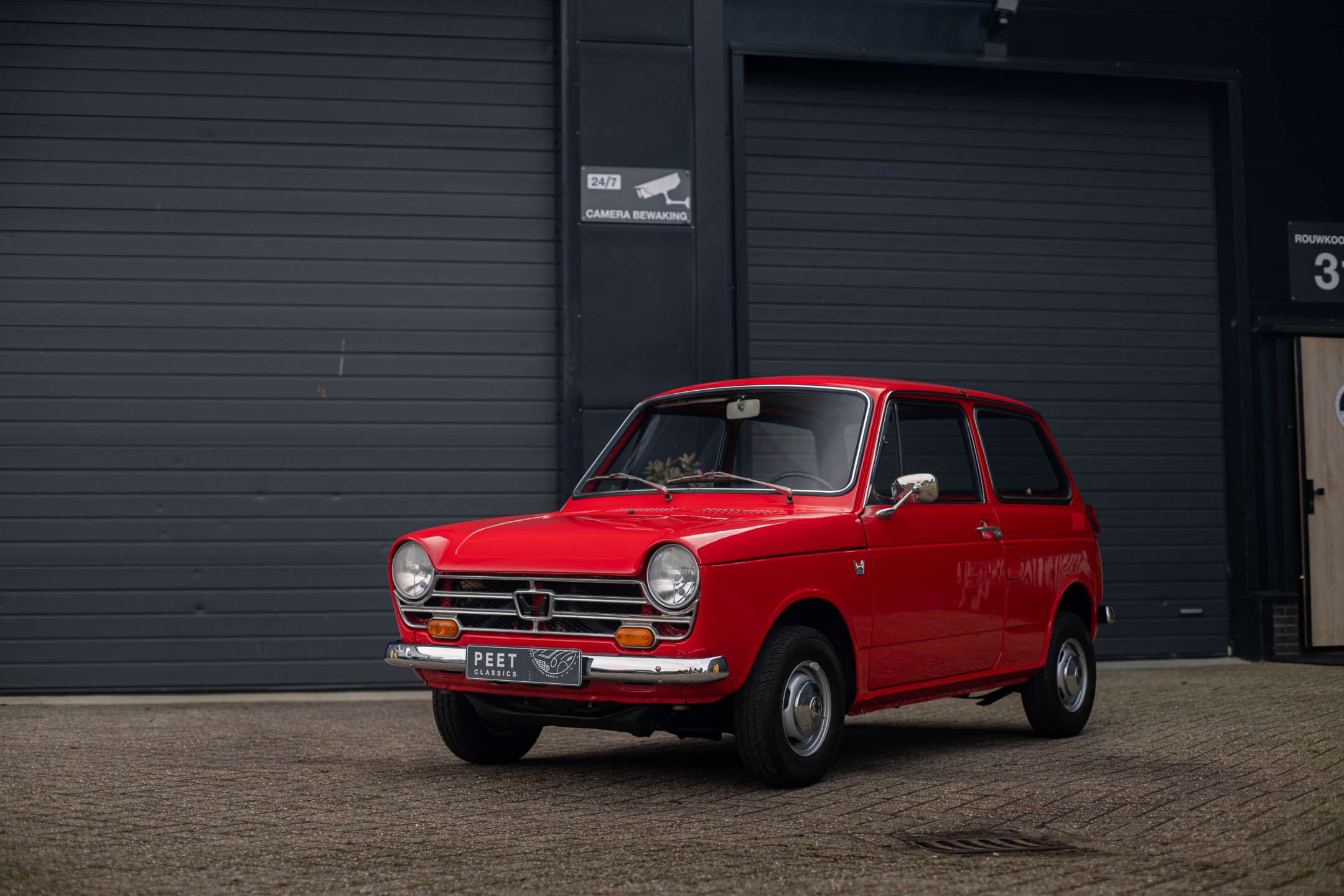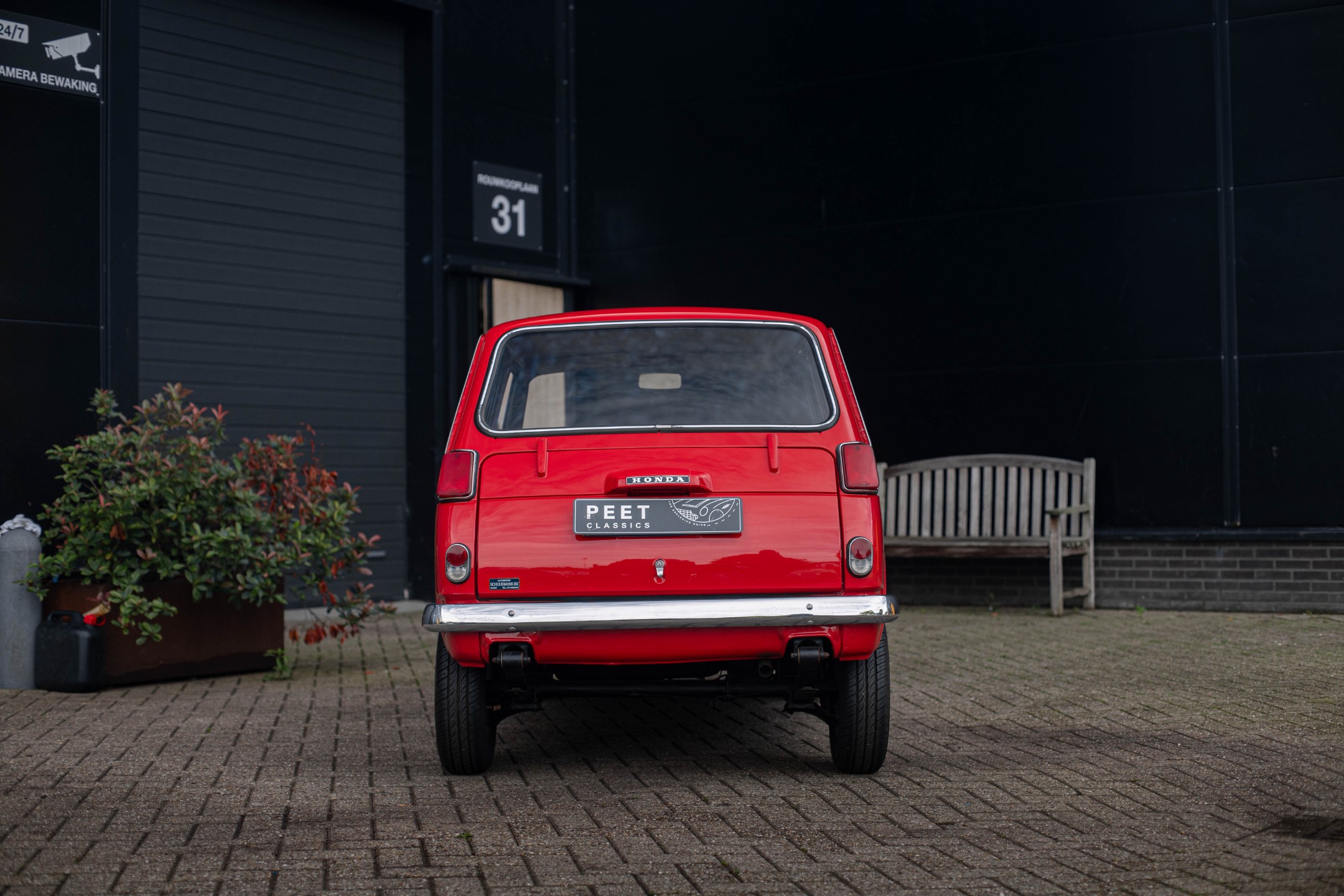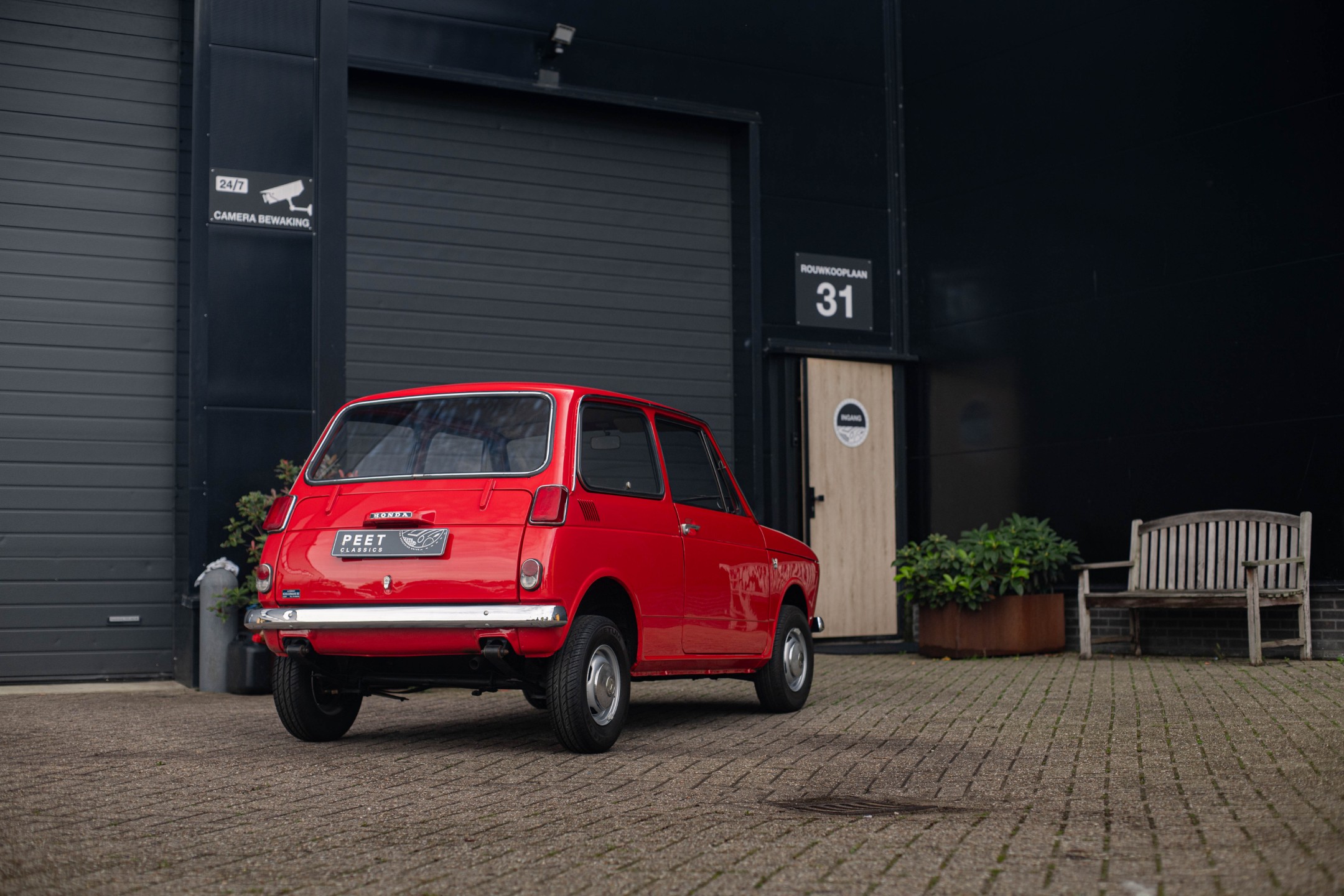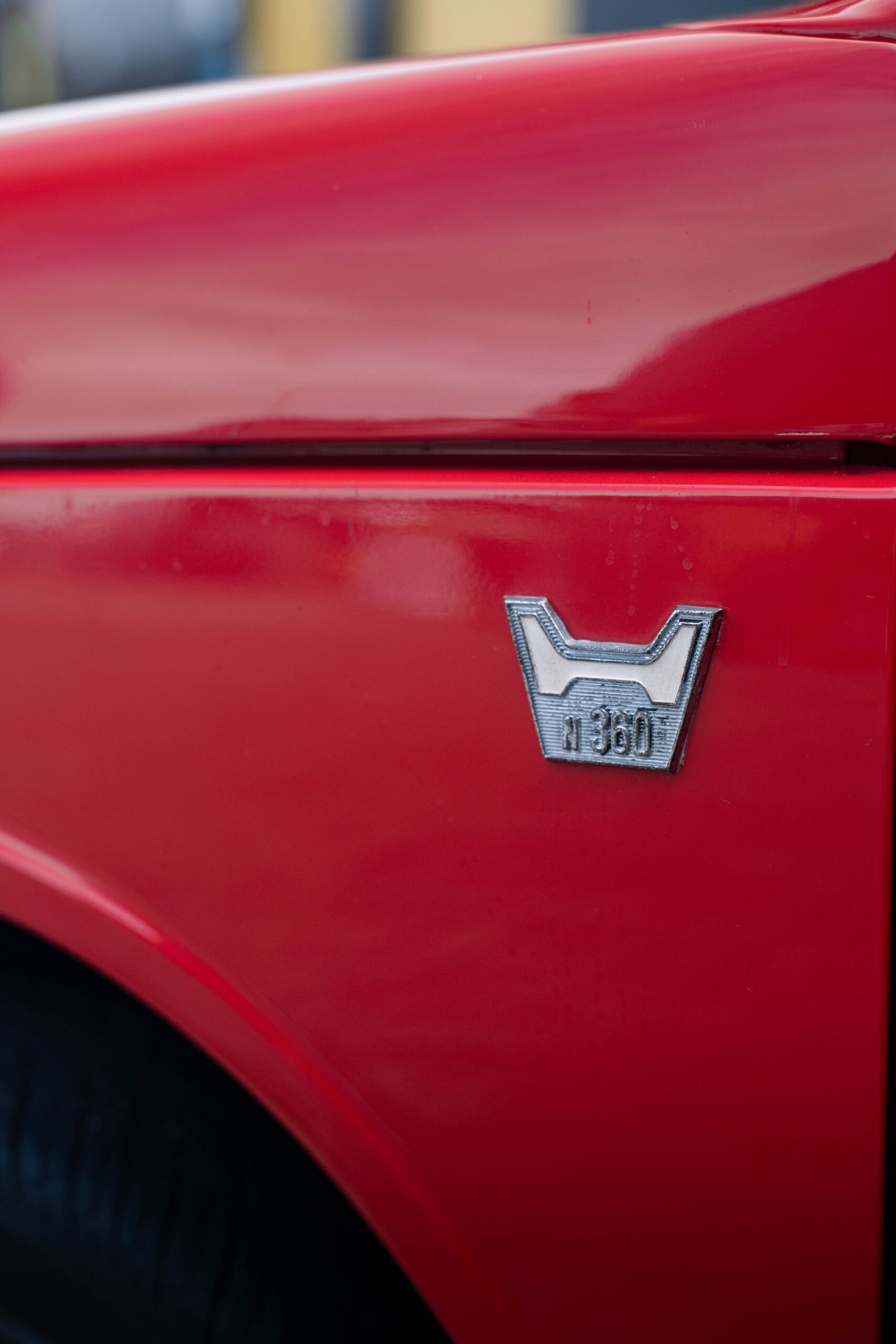
Honda N360
The Honda N360 is a descendant of the Japanese kei car. After the war, Japan created a separate class of ‘light cars’ to make motoring affordable across the country: anyone who stayed within strict limits in the 1960s – a maximum of 360 cc, three metres long and 1.30 metres wide – paid less tax and insurance.
Honda, then best known for its motorbikes and the small S-series sports cars, designed the N360 specifically for that class, ‘from the cockpit outwards’: as much space as possible for the occupants, as little as possible for the mechanics. In October 1966, it was the star attraction at the Tokyo Motor Show, and on 6 March 1967 it went on sale, tens of thousands of yen cheaper than the competition.
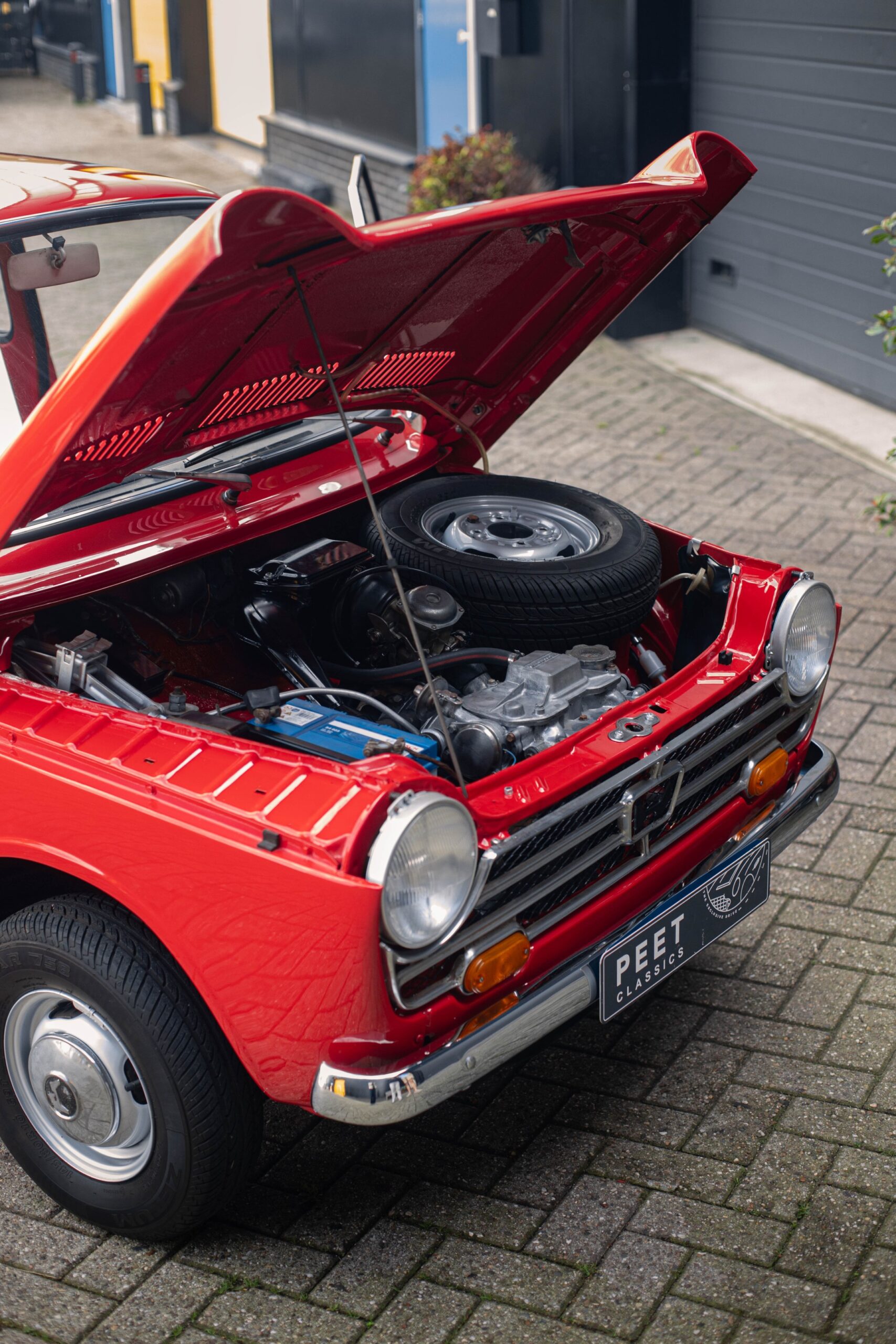
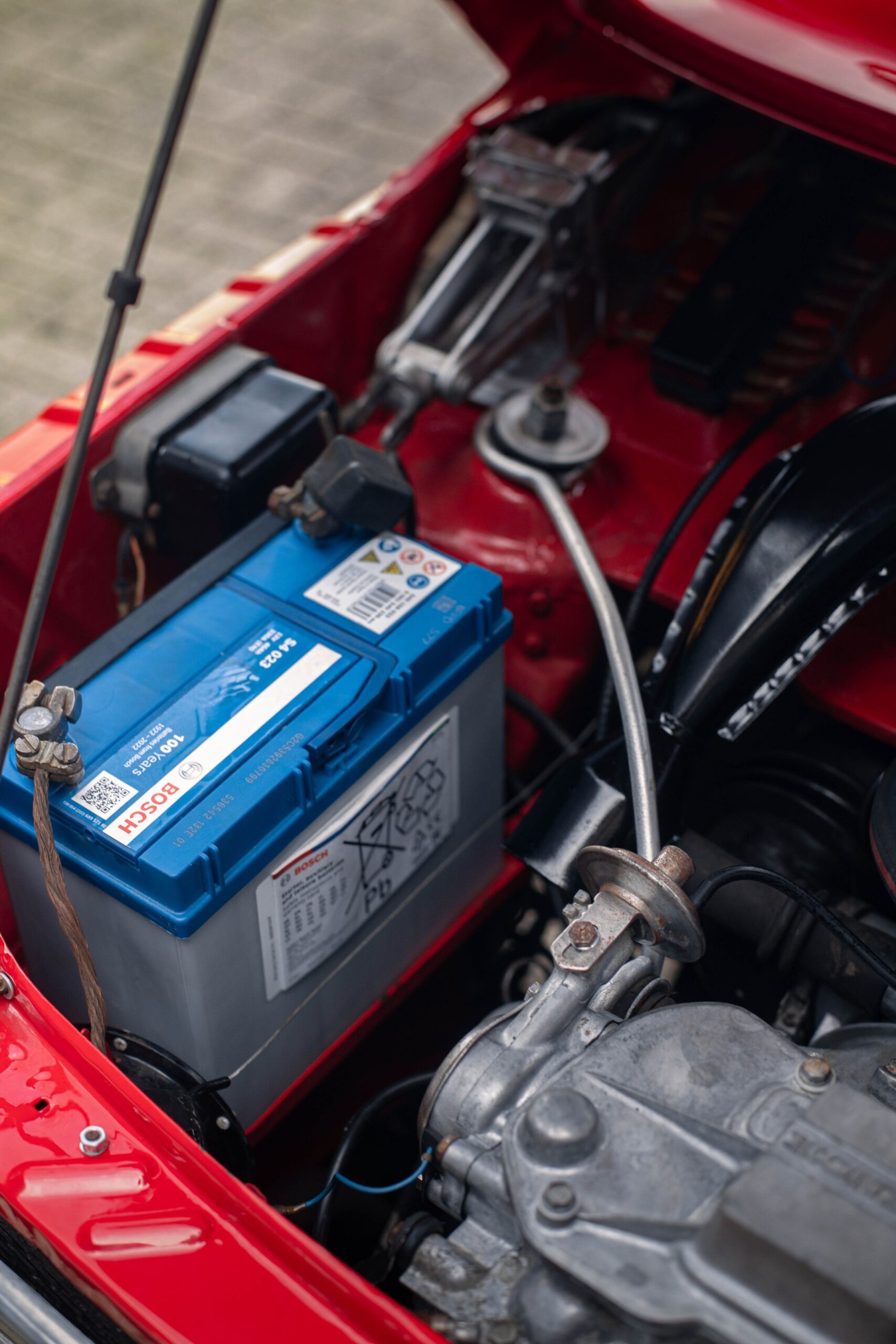
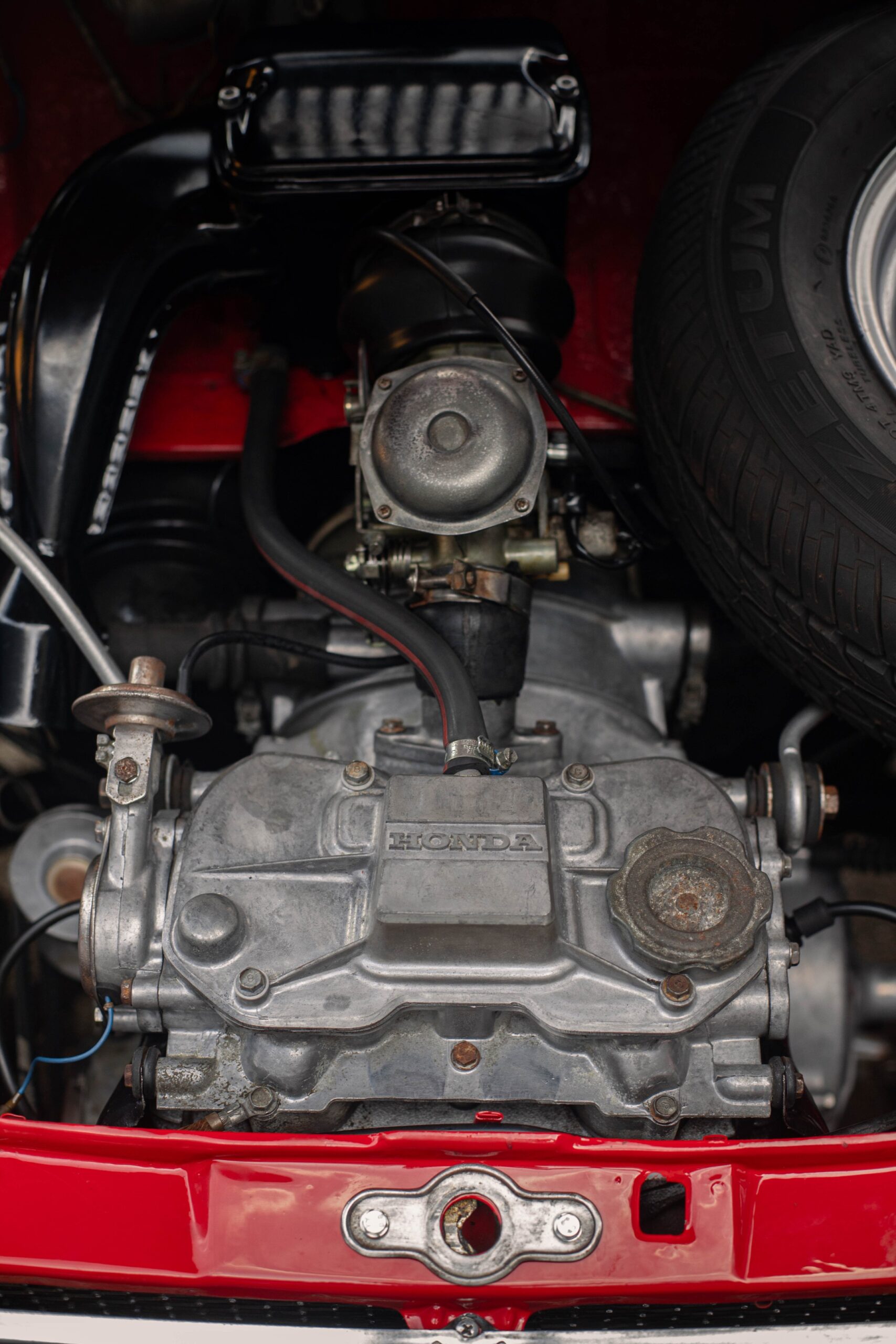
Under the short bonnet lies a 354 cc air-cooled twin-cylinder engine, derived from the engine in Honda’s CB450 motorbike and downsized to comply with the ‘kei’ regulations. It revs happily to high revs and sends its power to the front wheels. Pioneering for such a small car. Spacious, light and powerful for its class, the N360 became an instant hit: within three months it was the market leader, ousting the popular Subaru 360 from the top spot. By September 1970, production of Honda’s N-series had already passed the one-million-car mark.
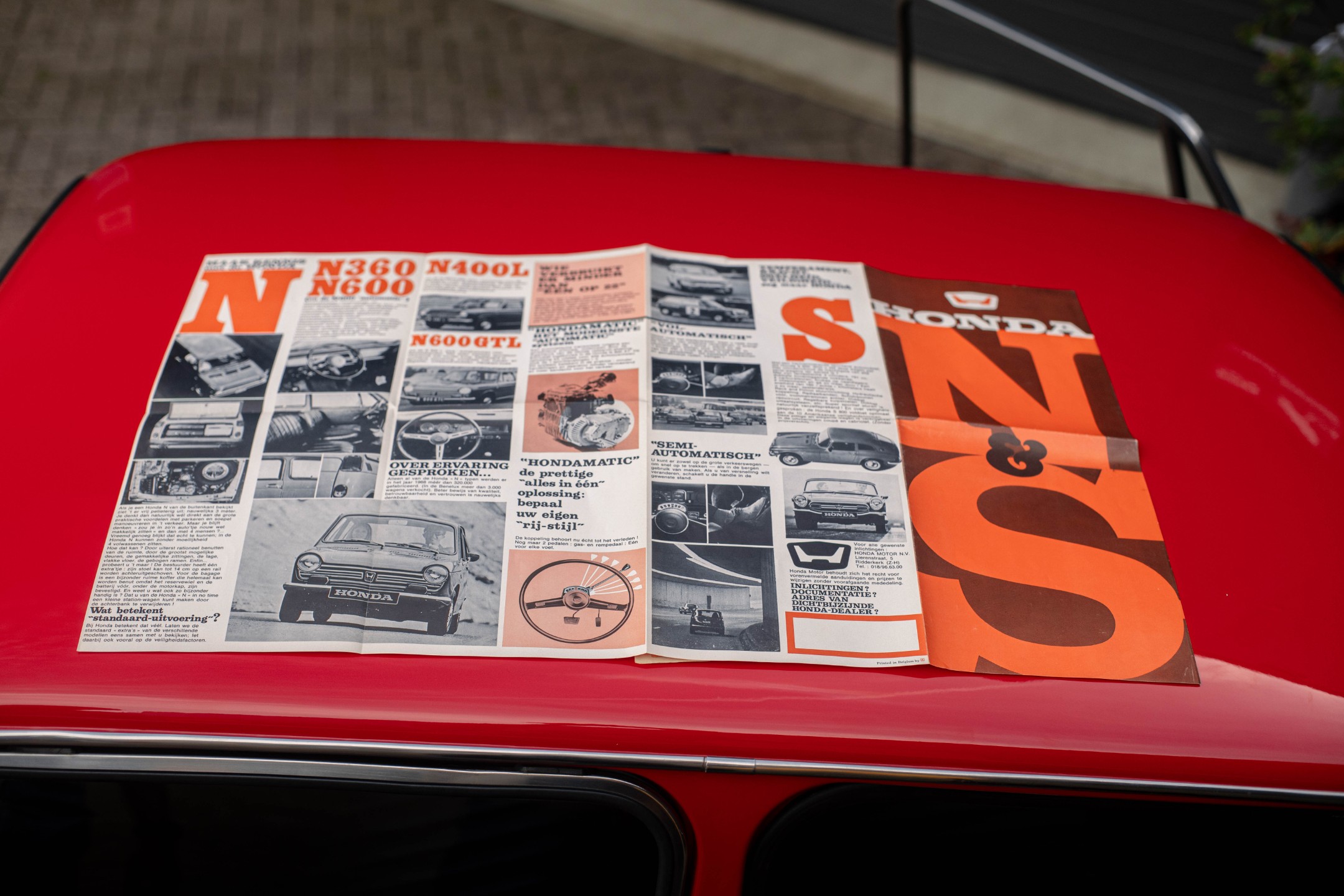
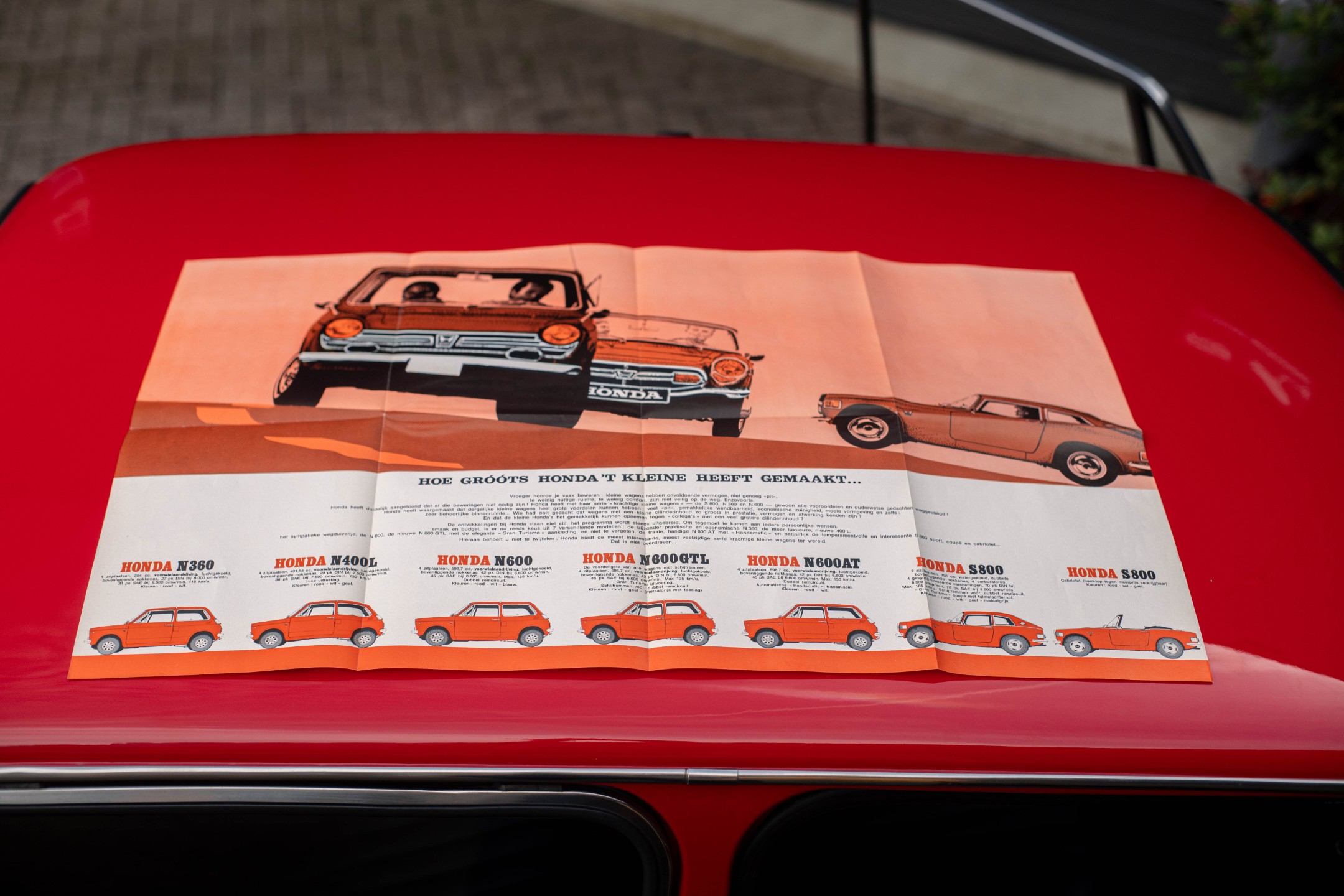
In early 1968, Honda began exporting the model, and so the N360 also appeared in showrooms in the Netherlands: initially as the only model from the N-series, alongside the S800 sports car. The N600 followed at the end of 1968, and the N400 in 1969; officially, the N series remained available until 1973.
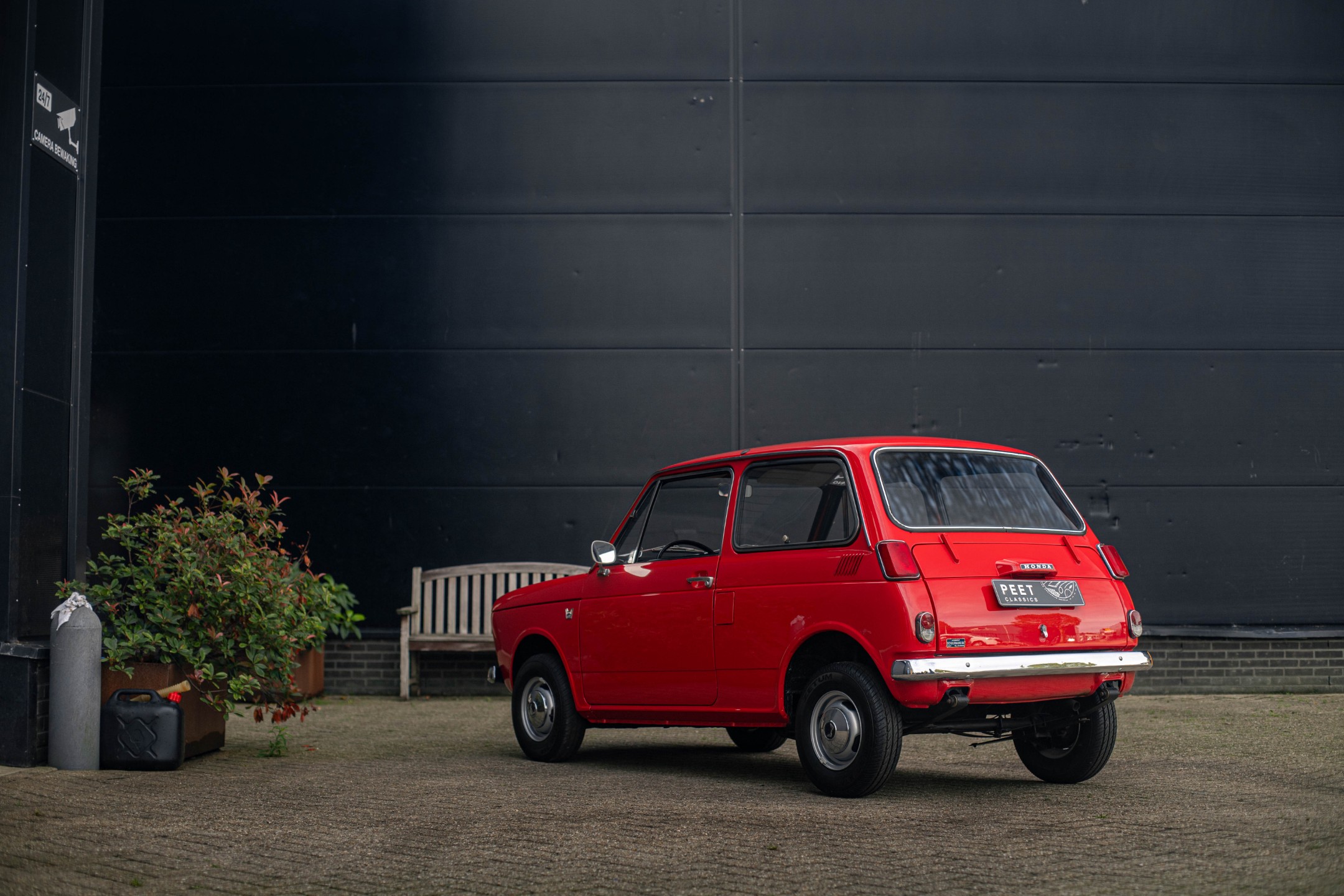
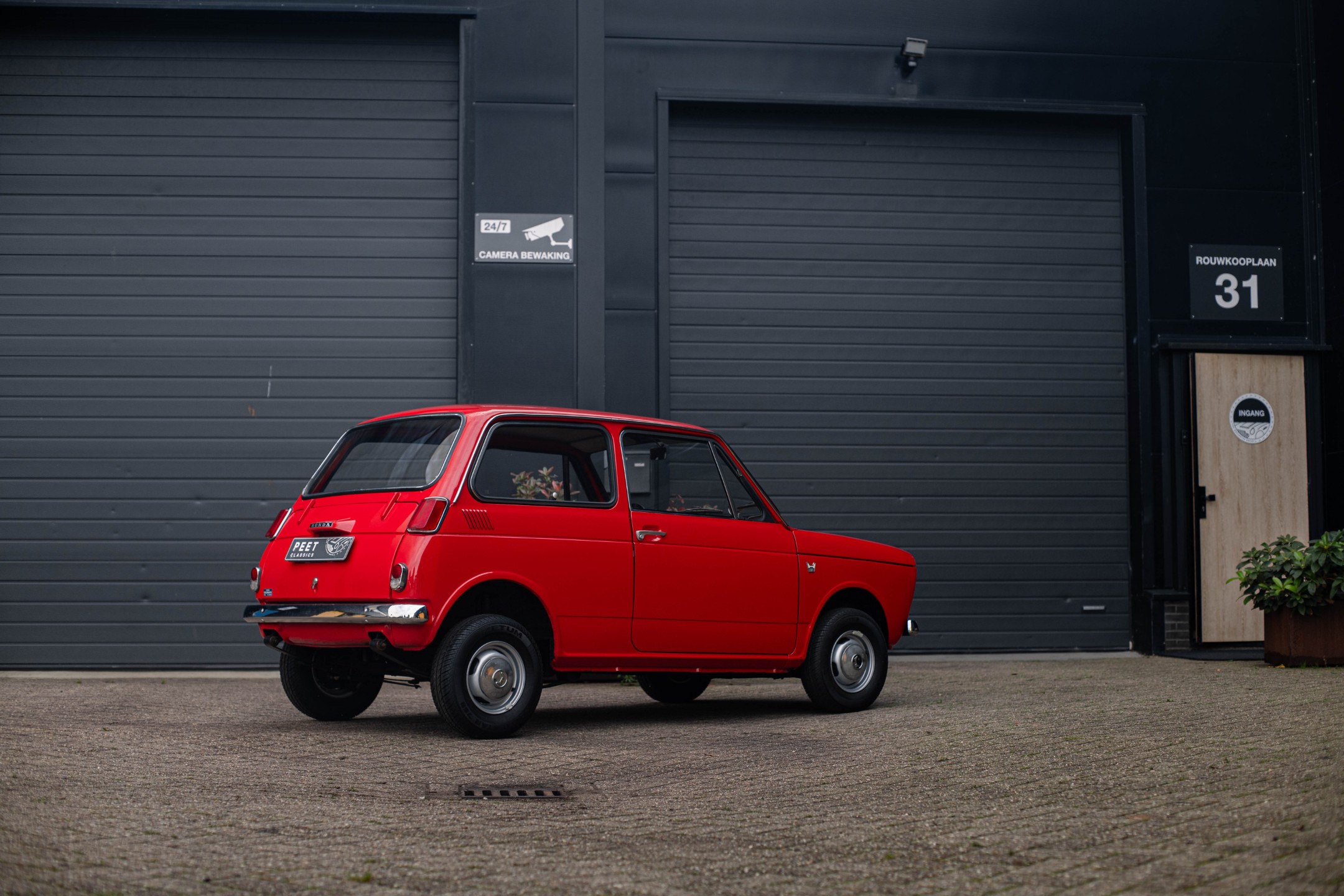
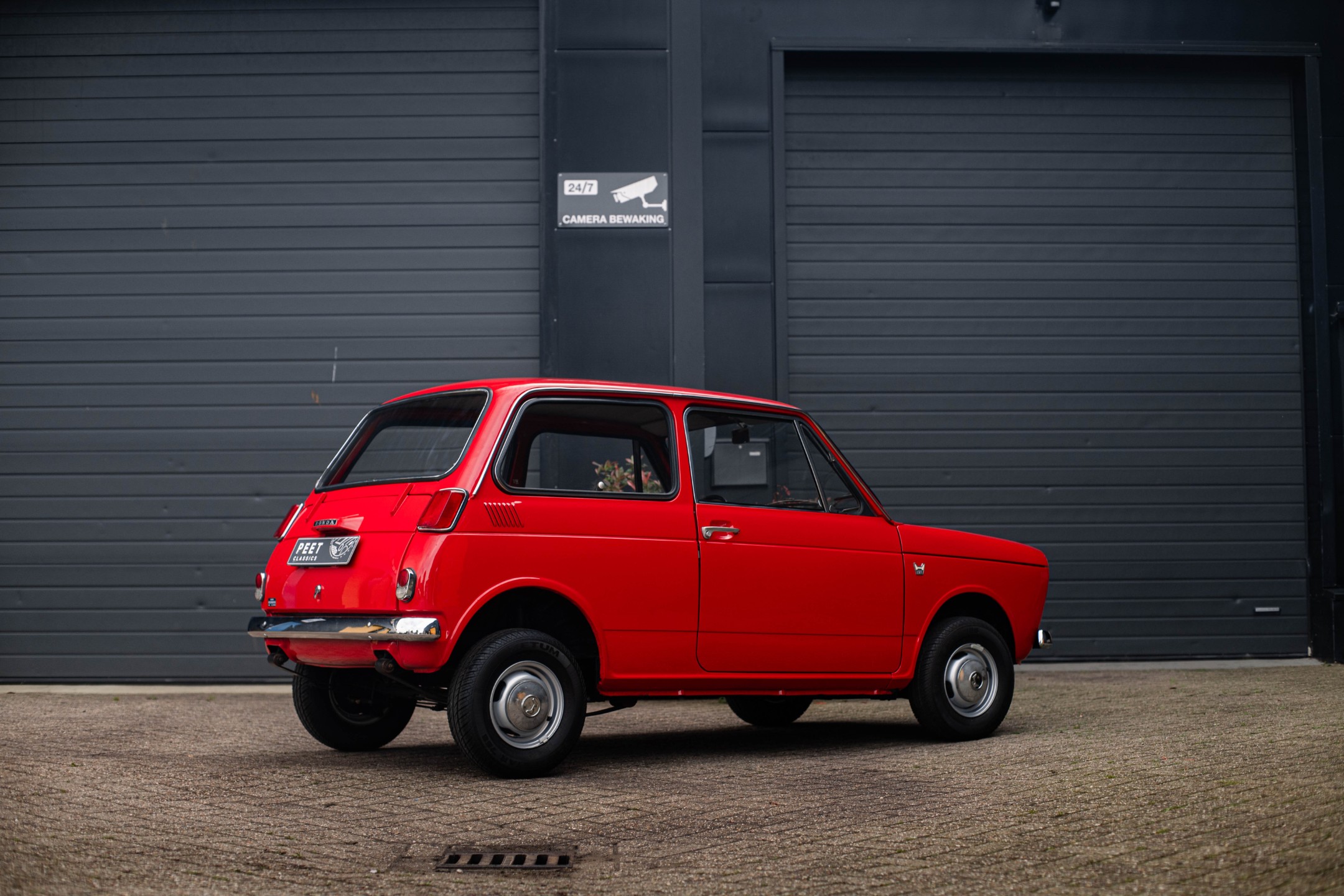
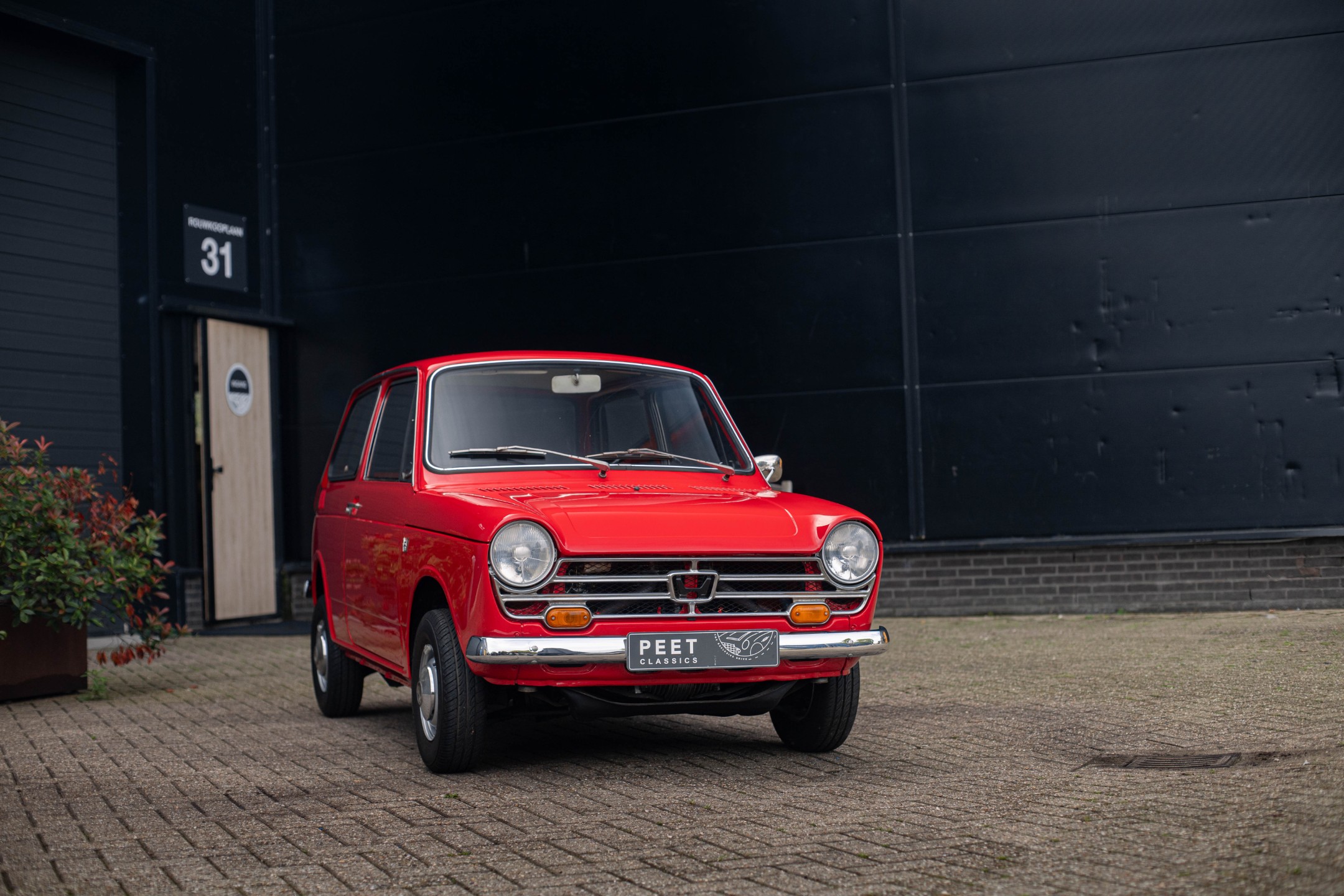
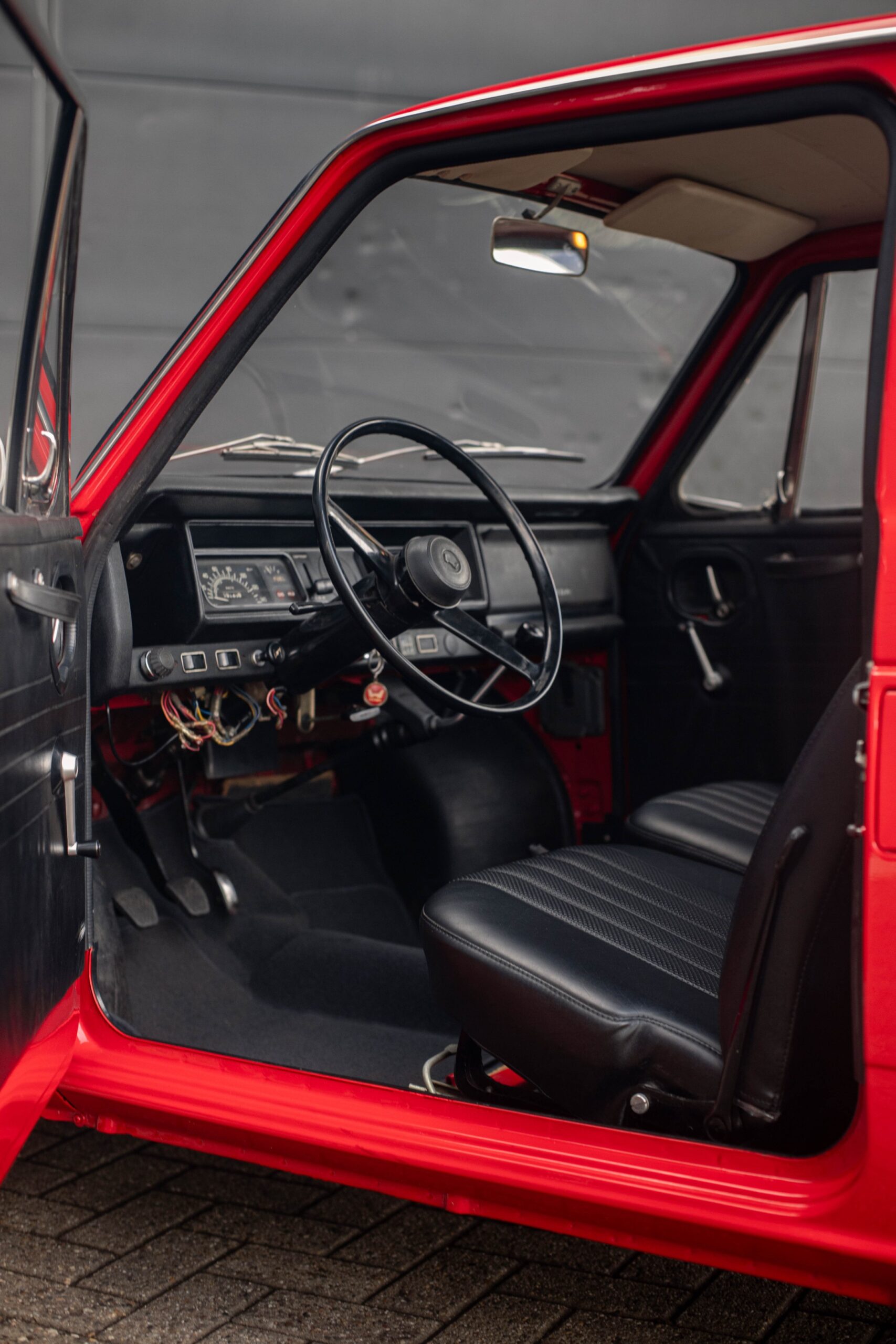
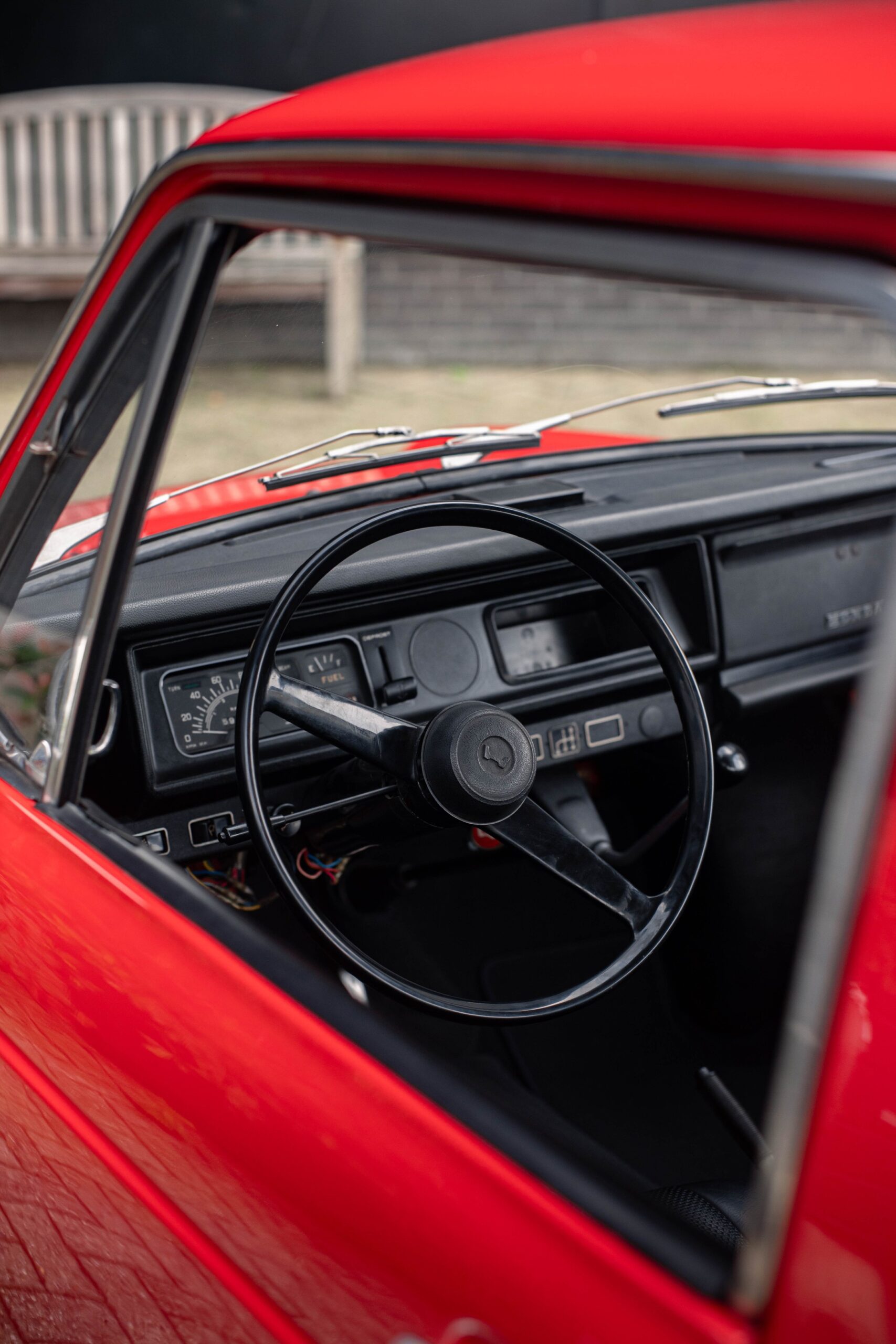
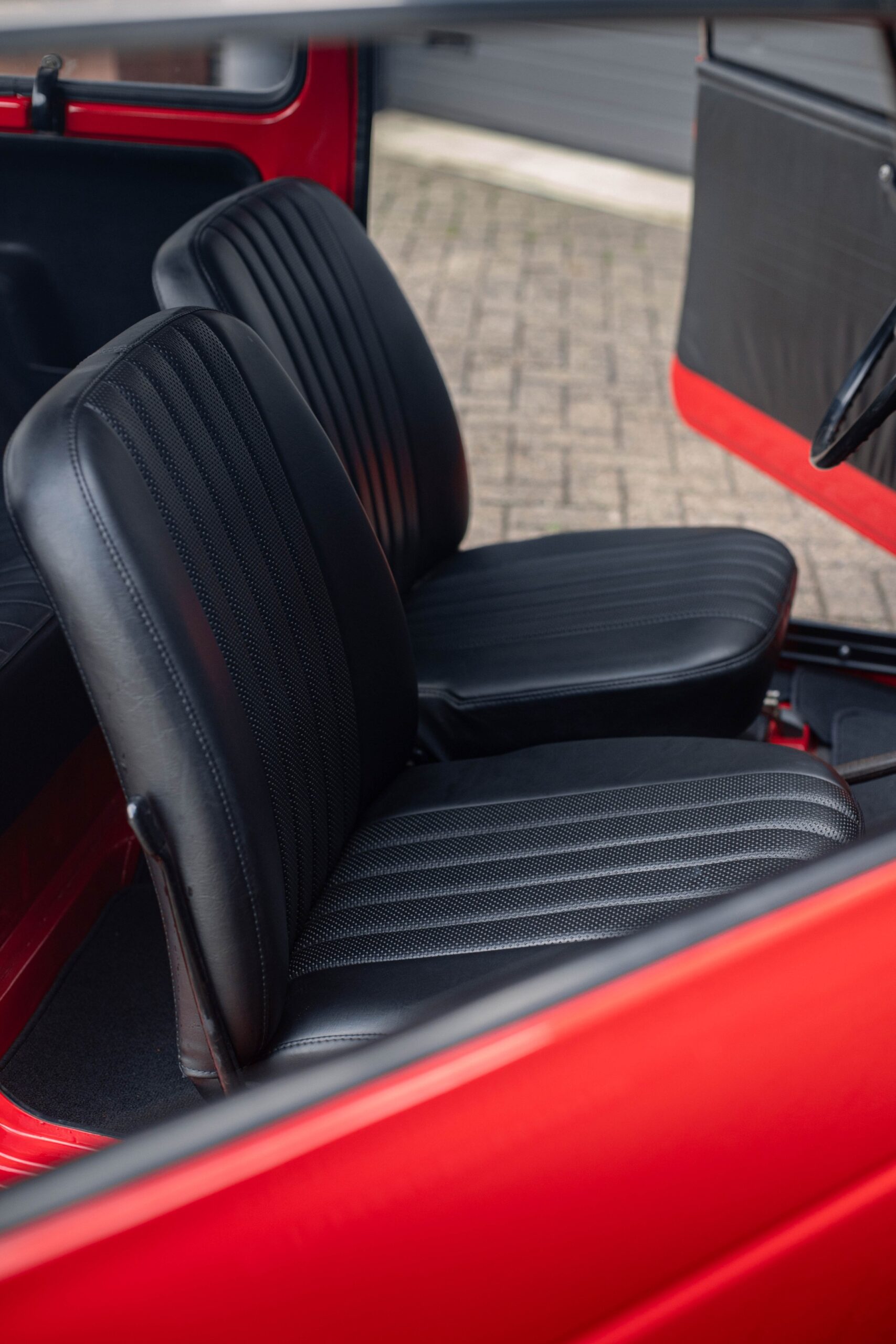
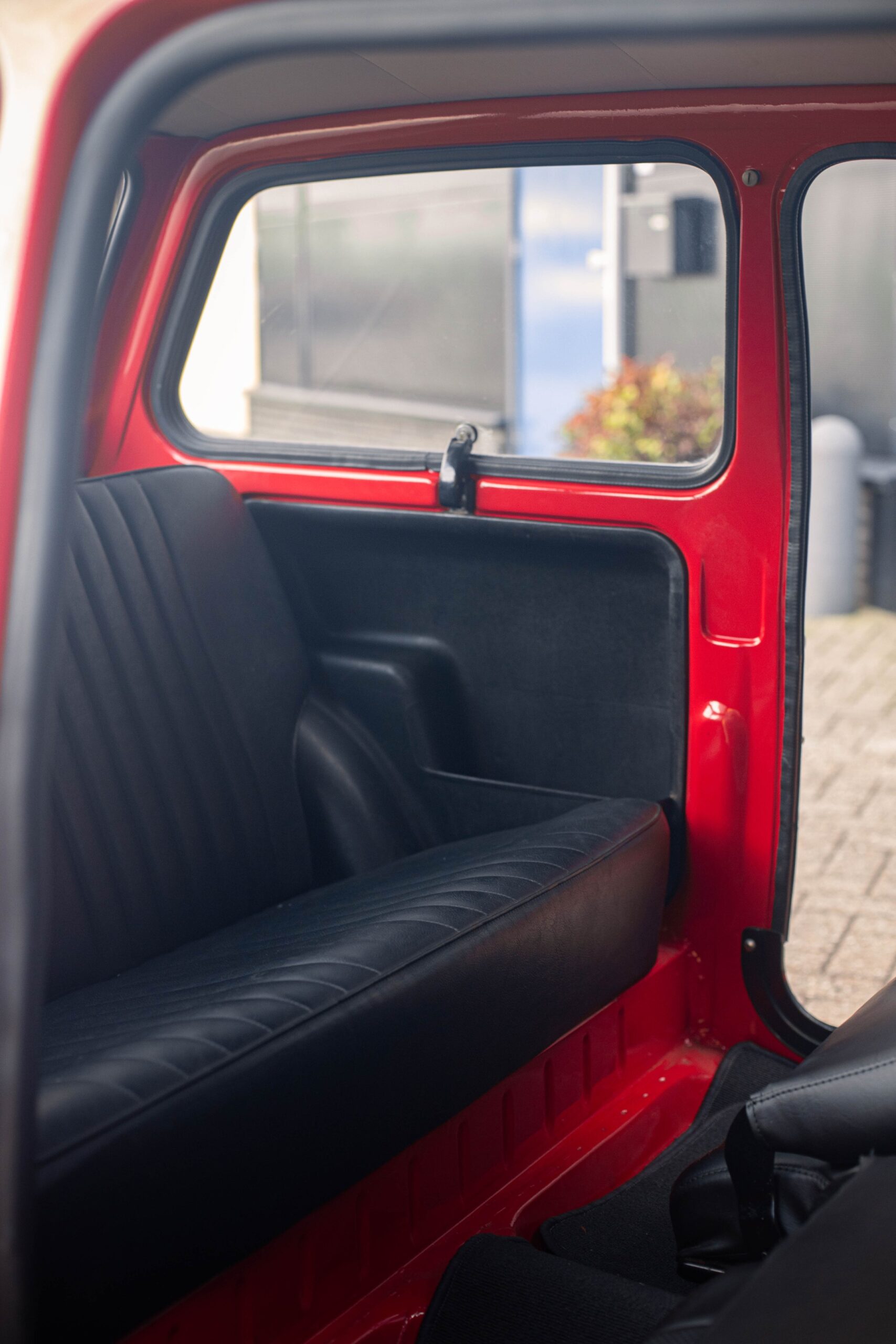
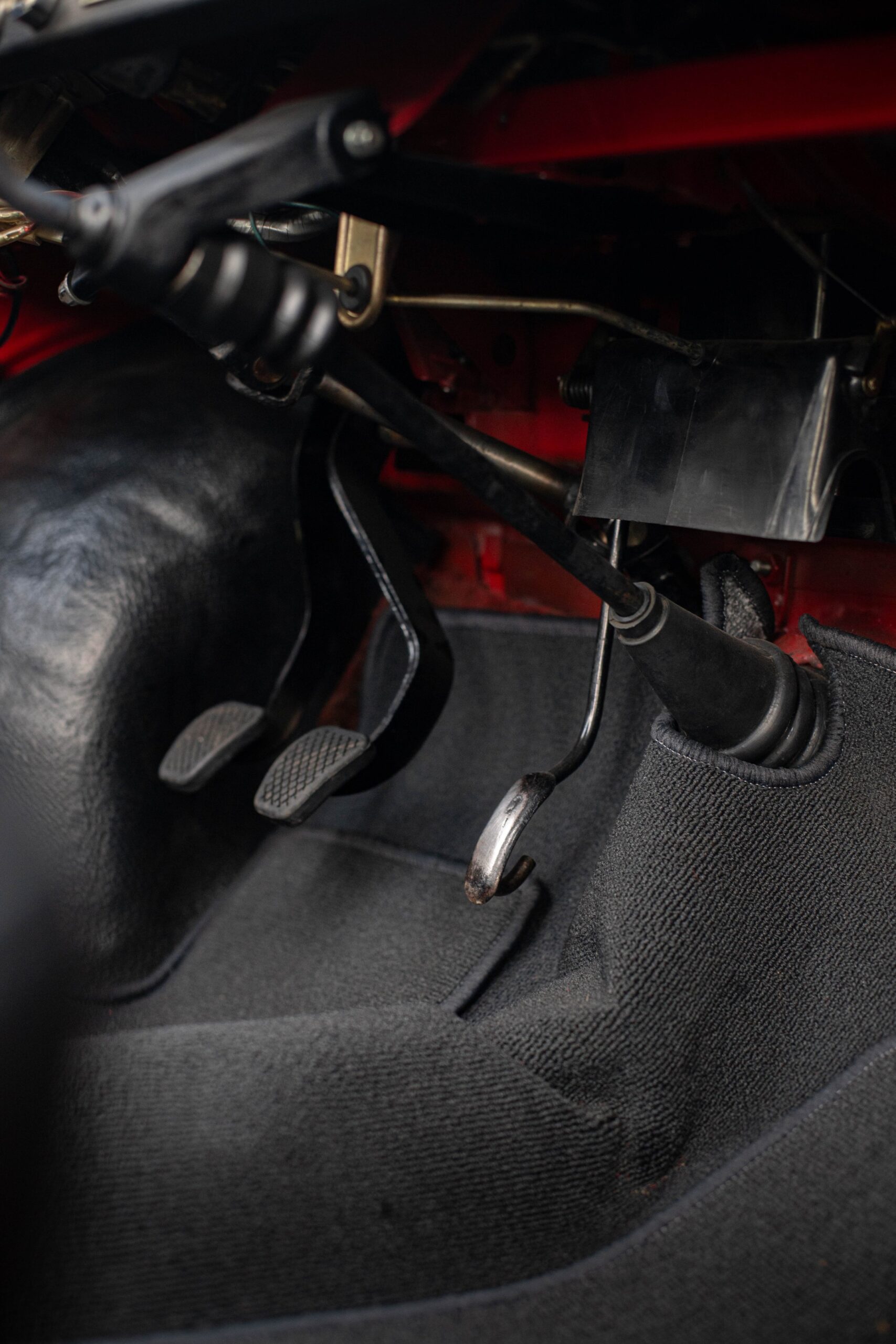
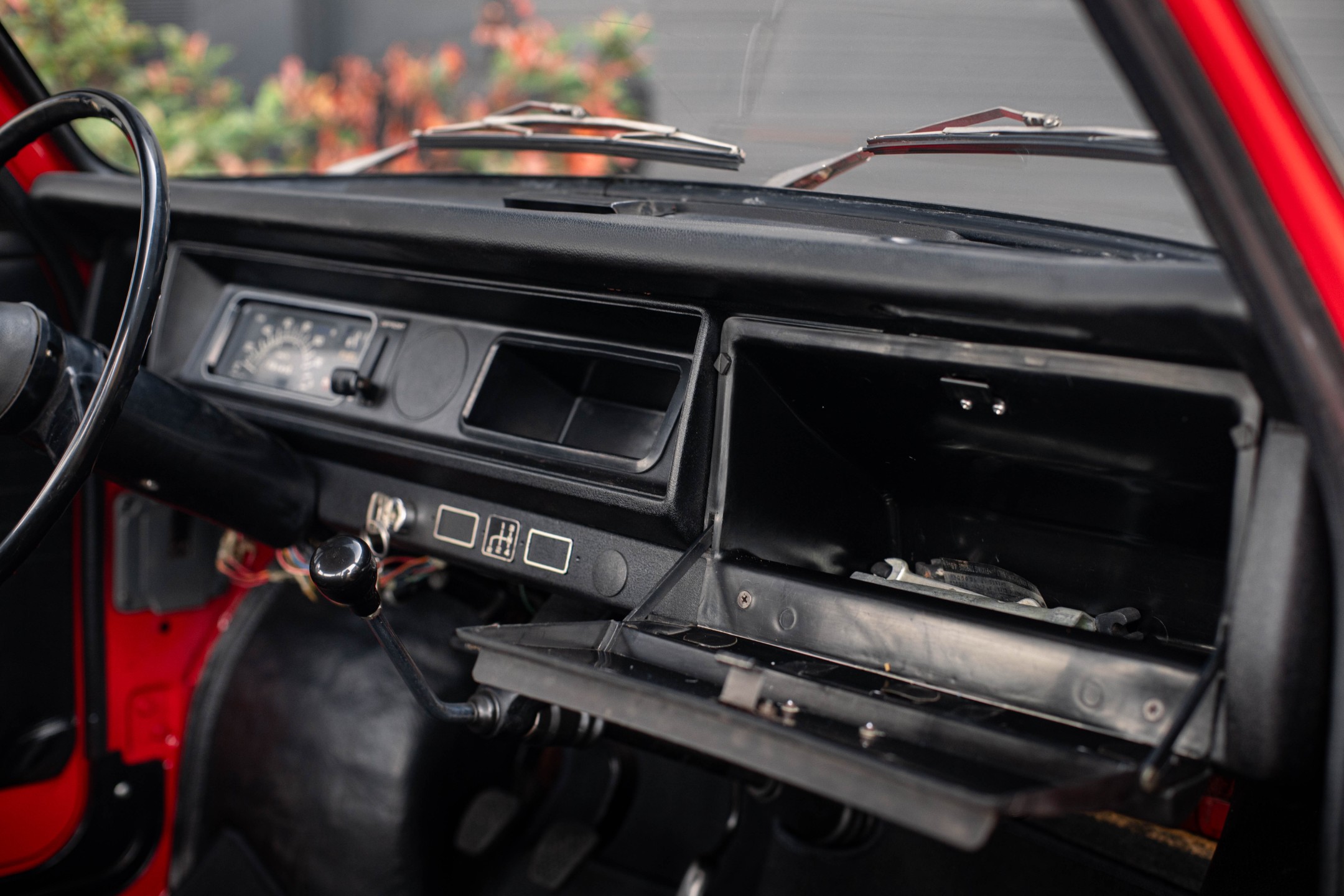
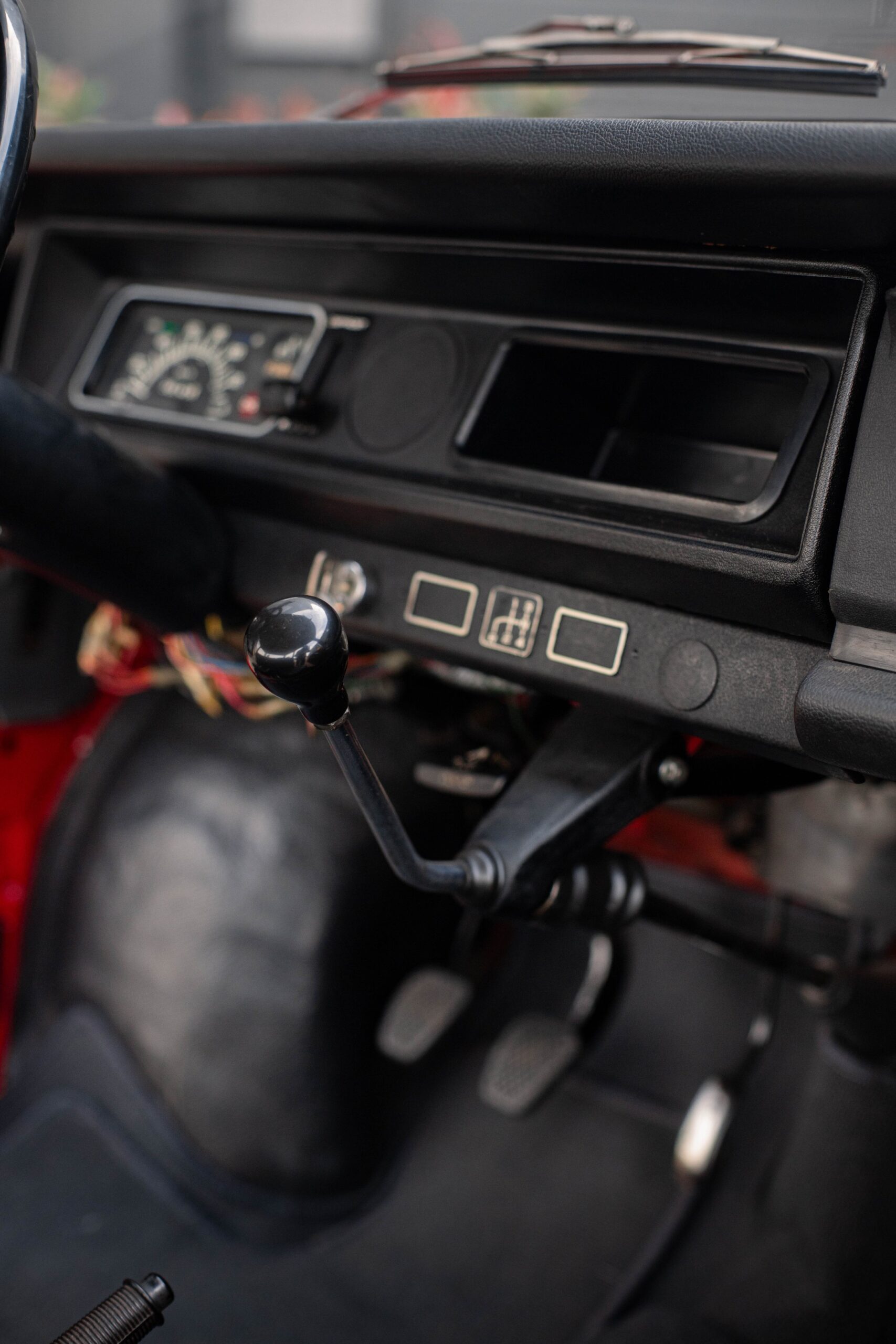
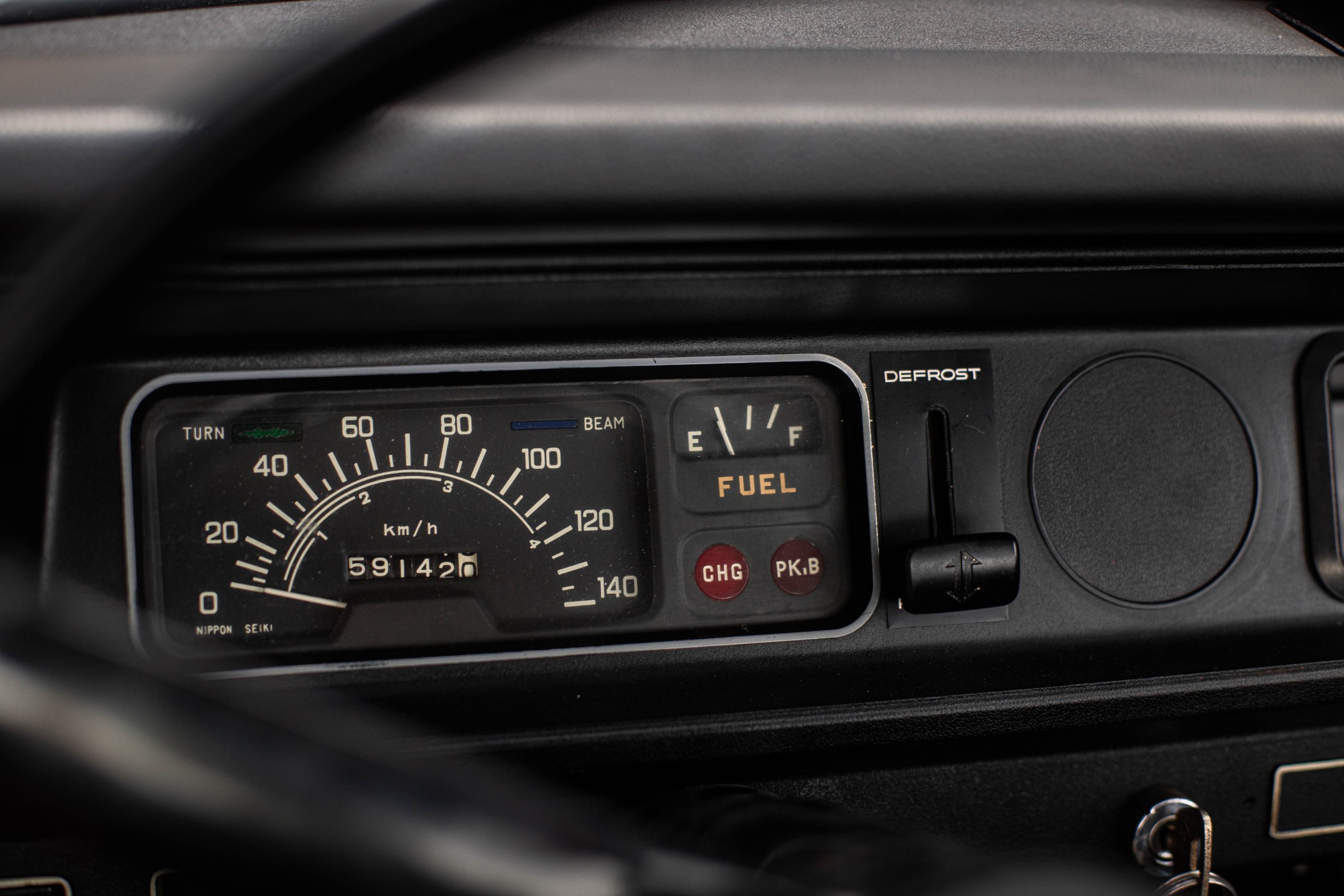
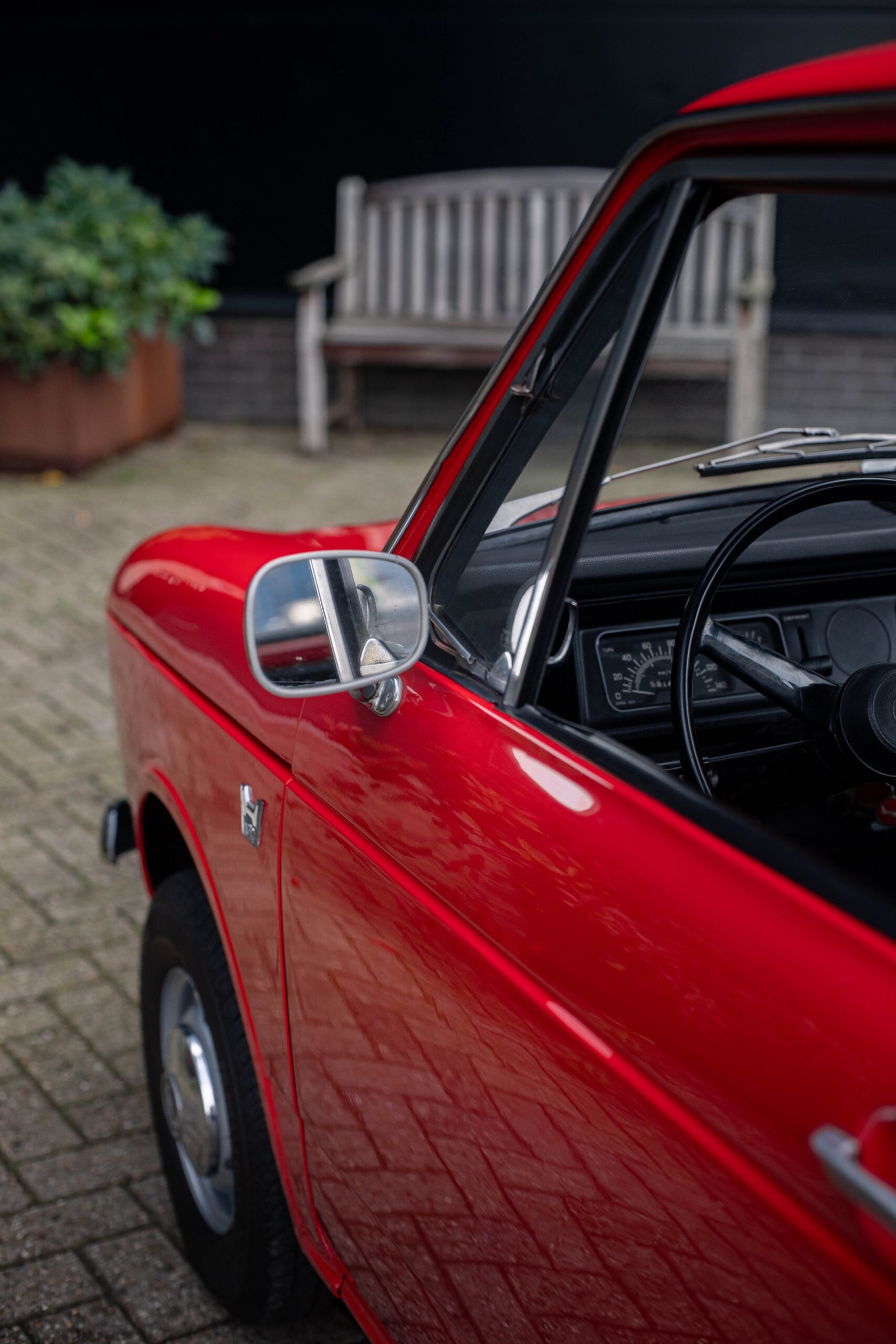
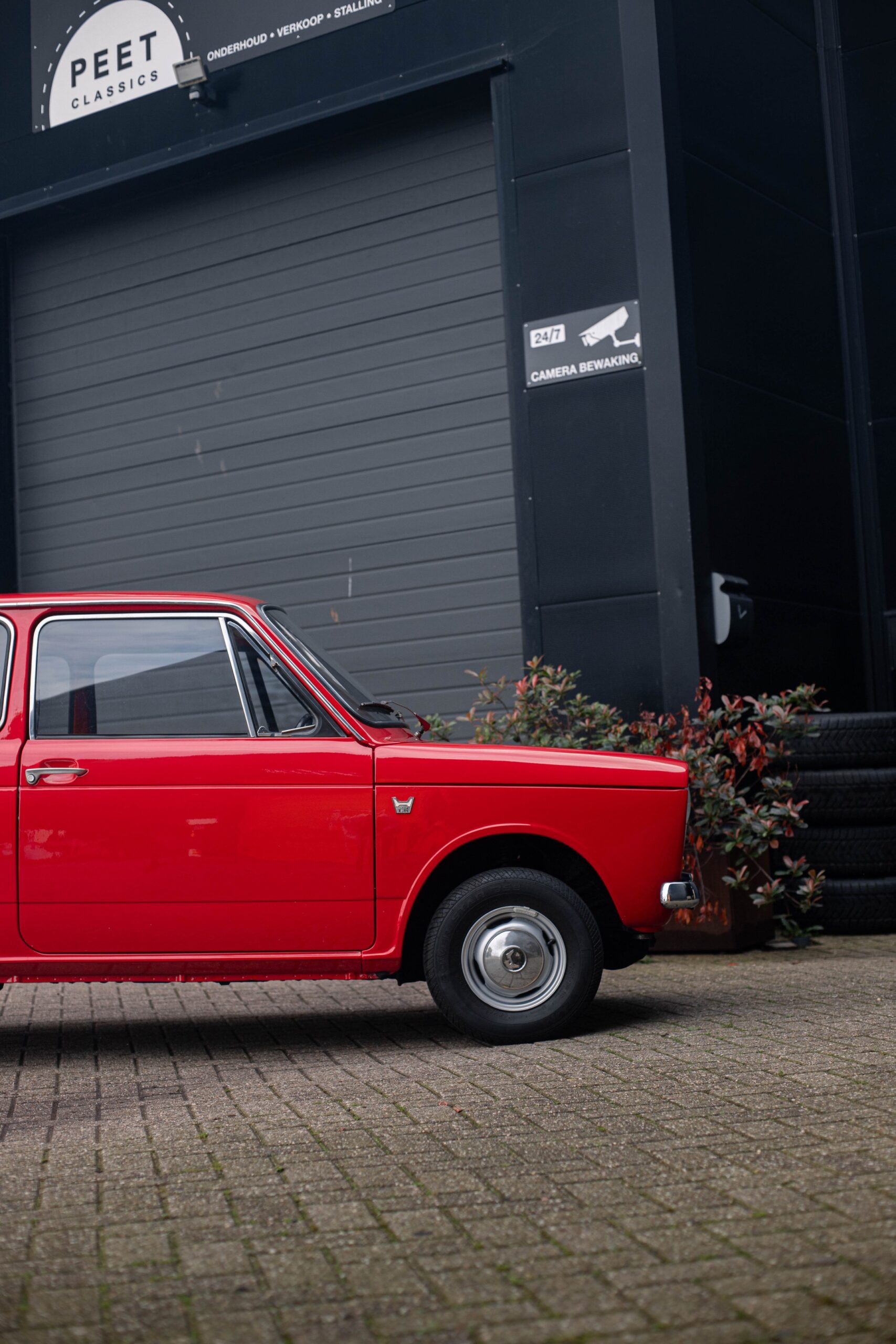
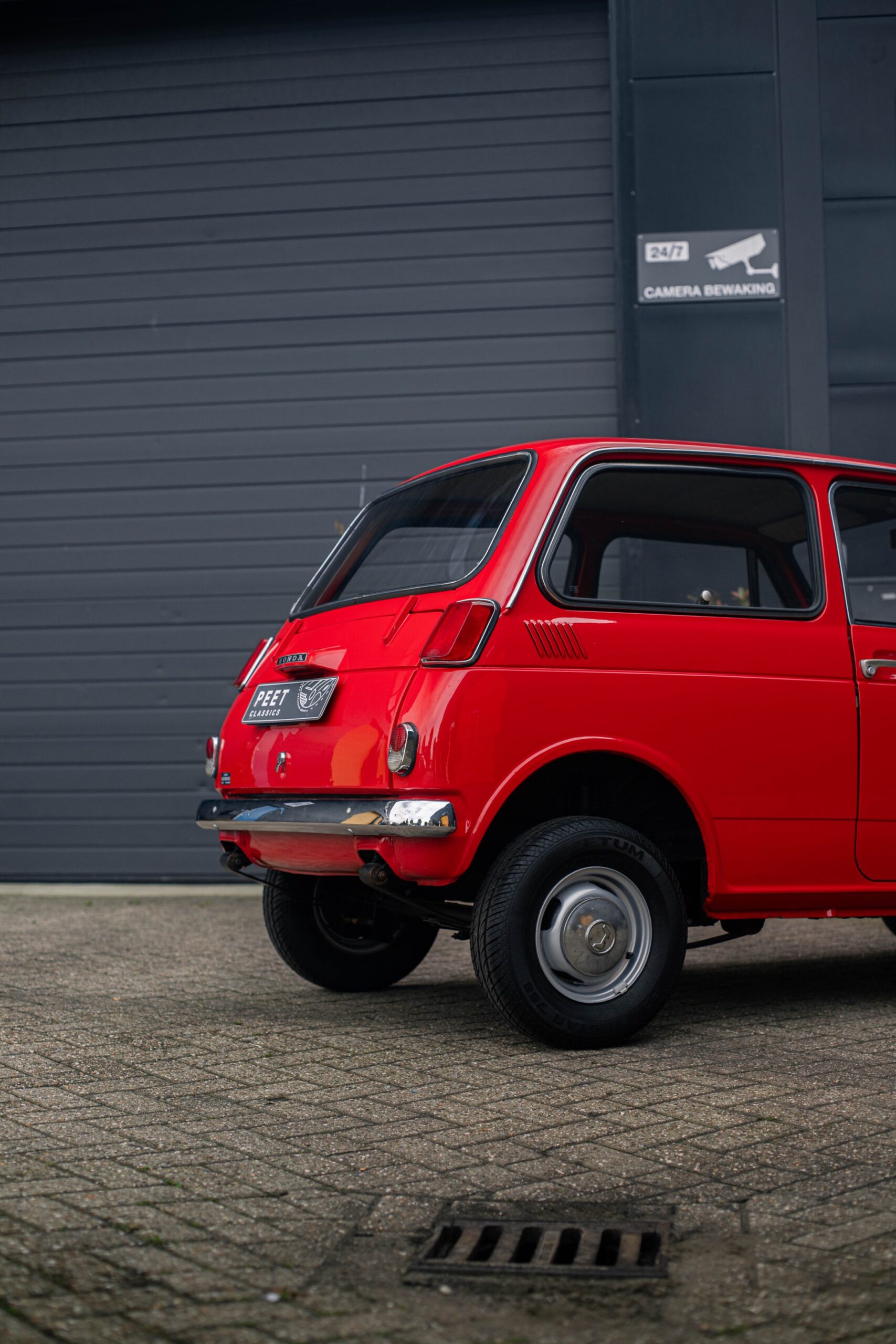
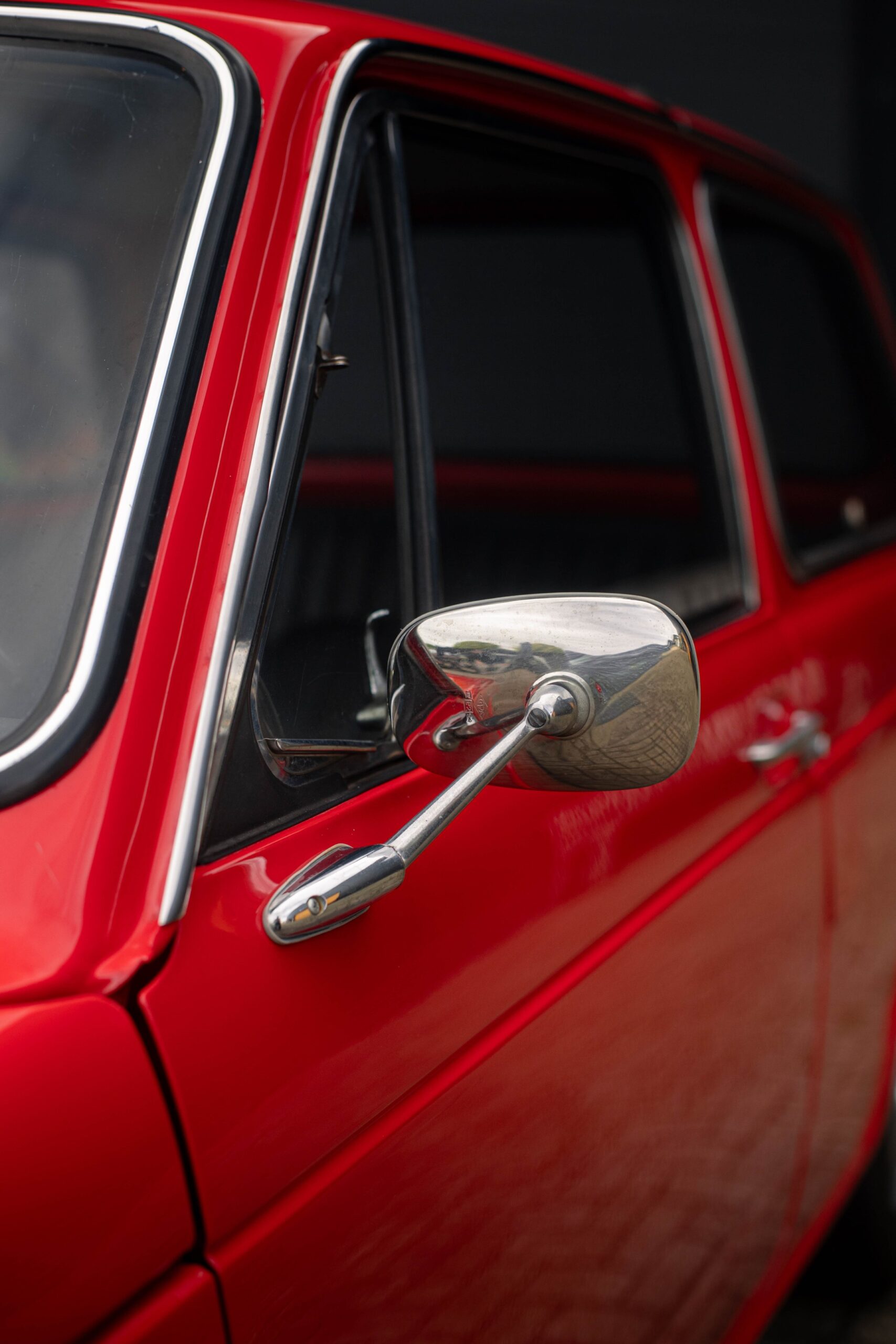
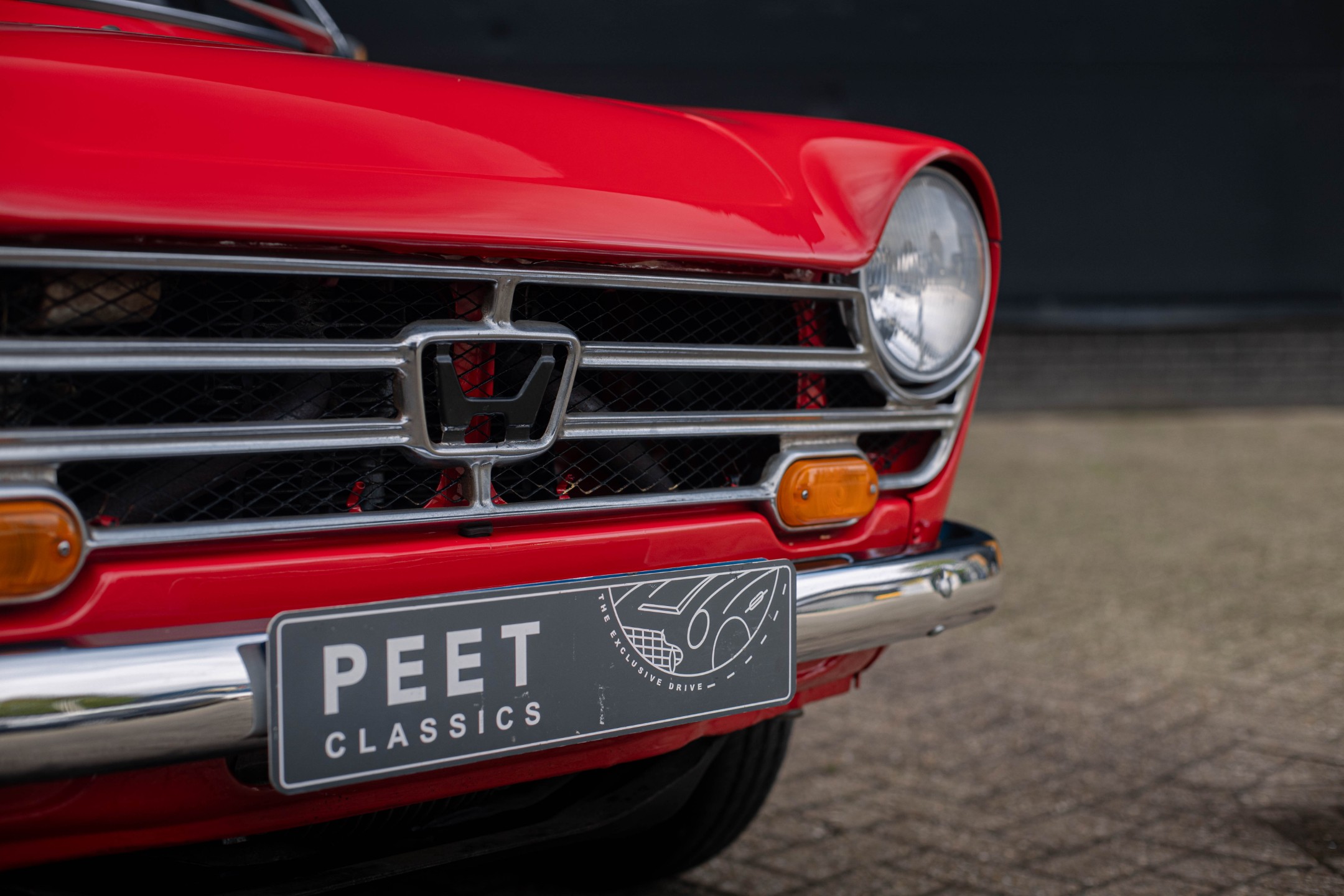
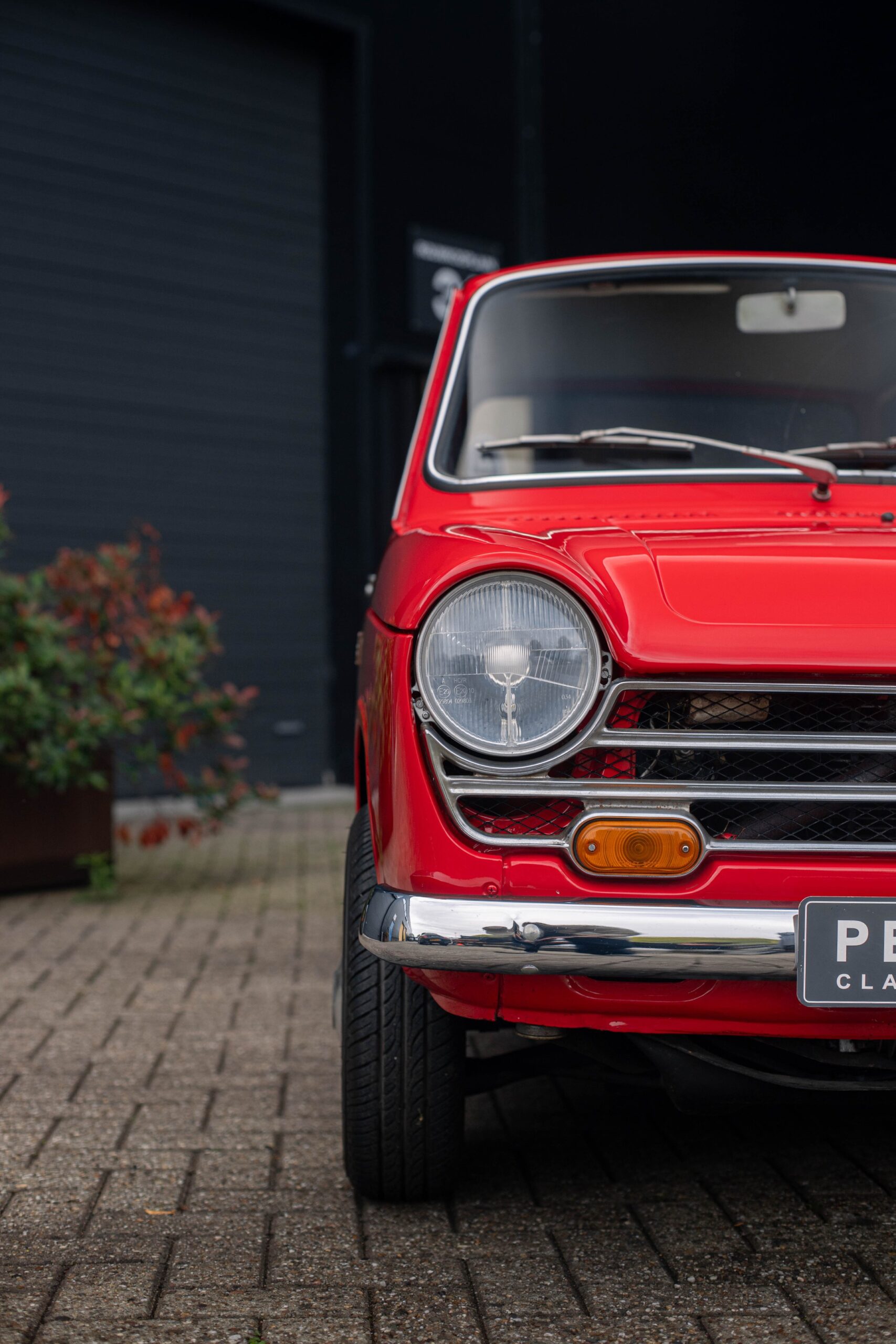
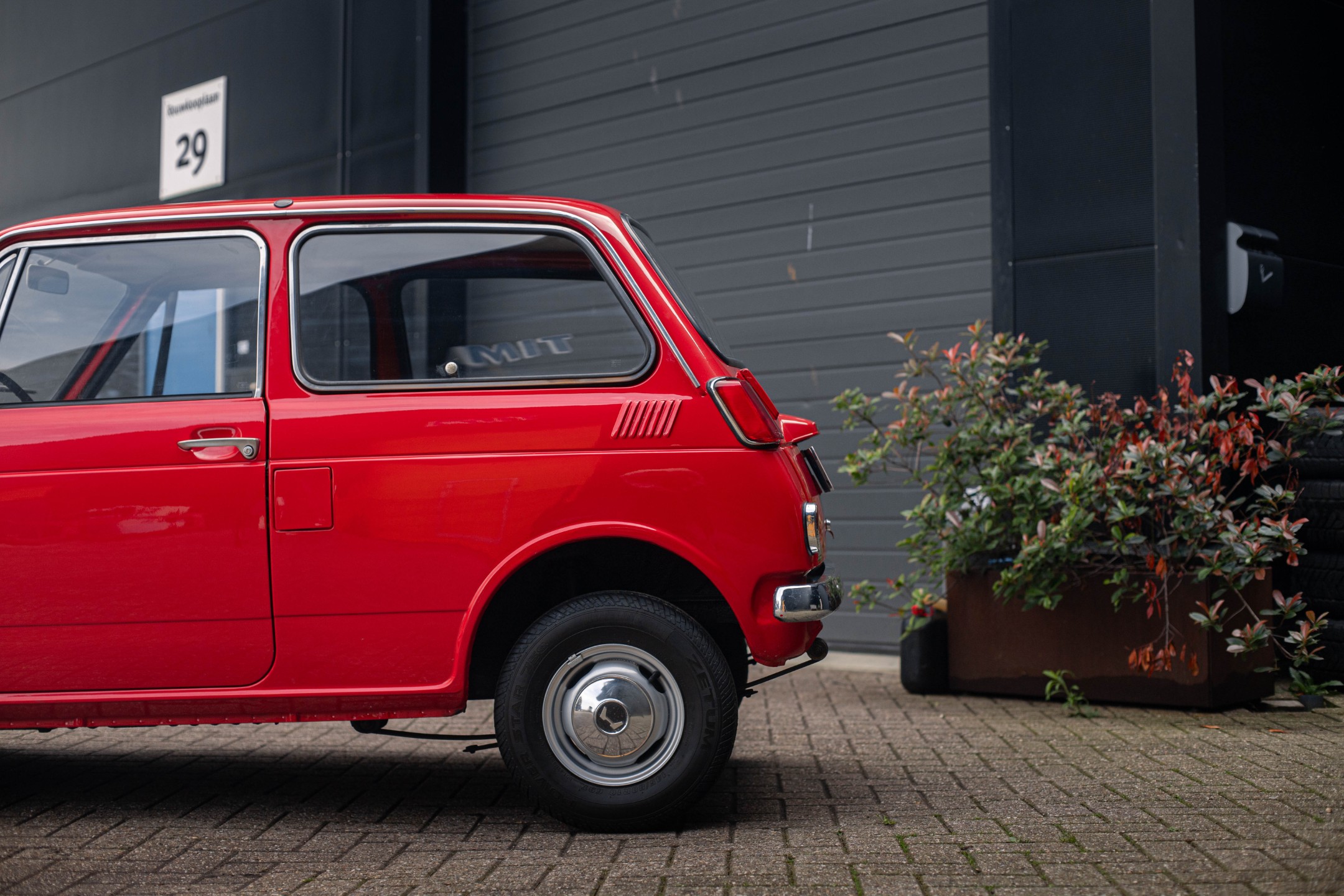
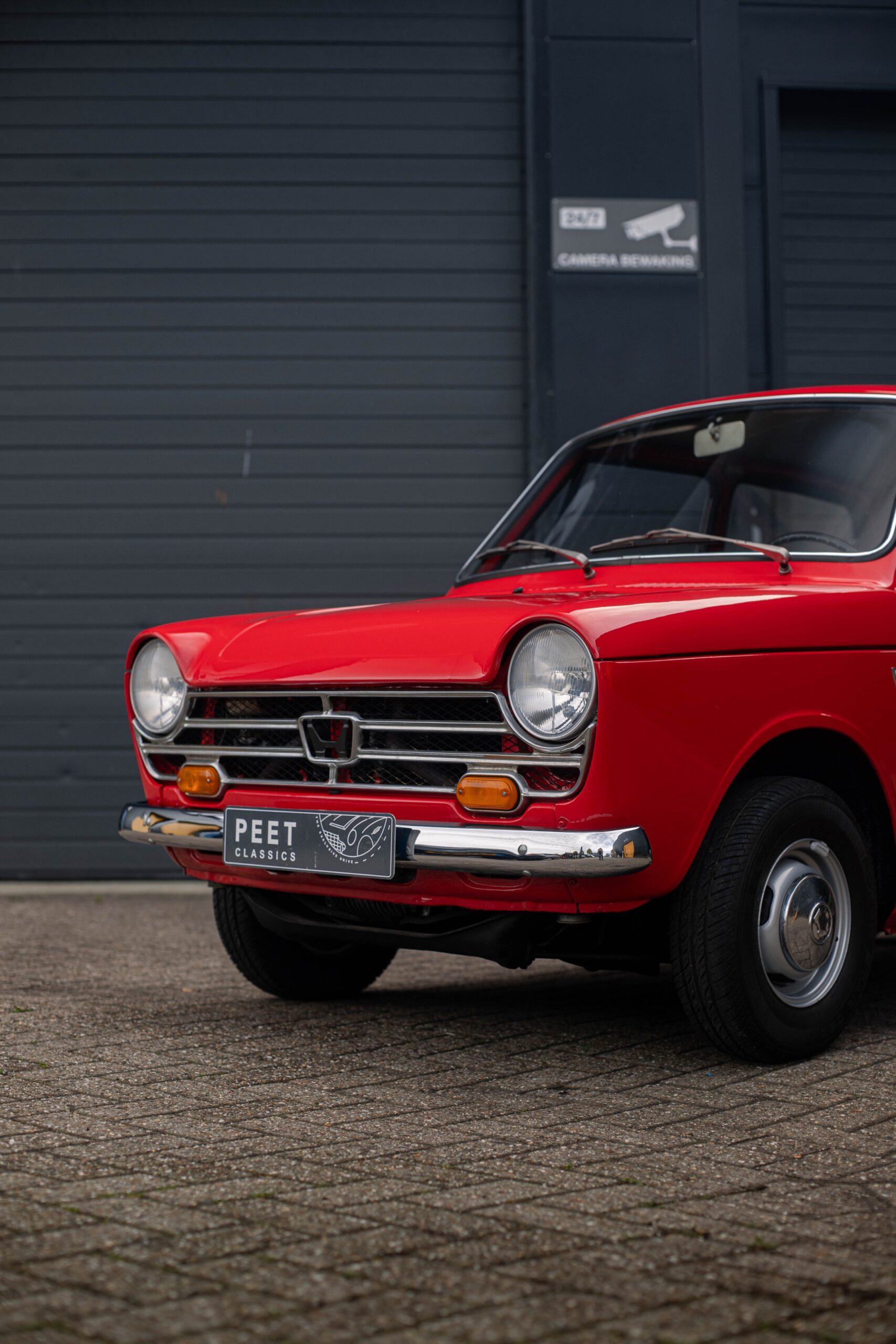
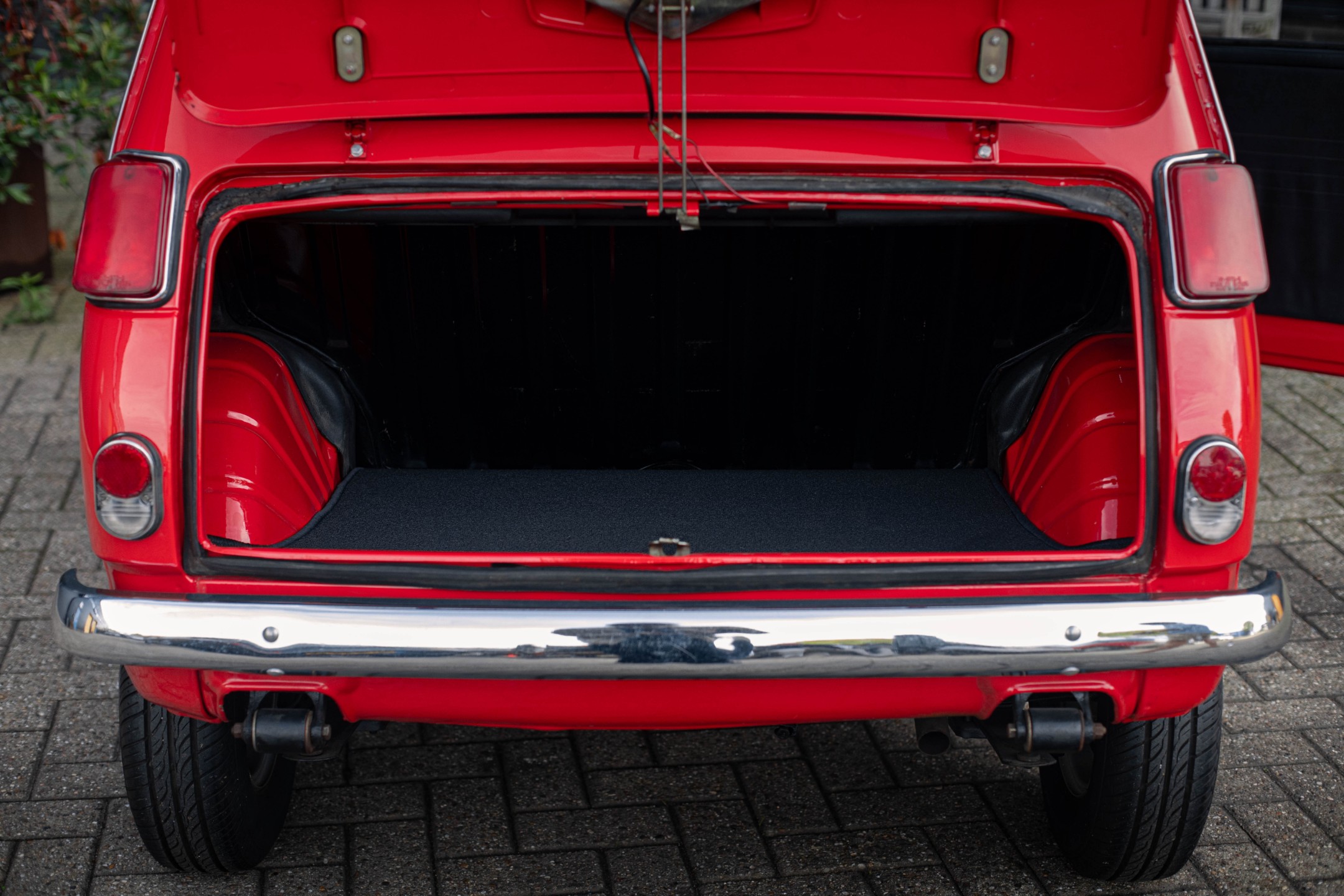
This N360 is one such original car delivered to the Netherlands, from the very first year of imports: it was first registered in the Netherlands on 22 April 1968 and still bears its original registration number 31-01-FG. It is finished in red, with a black vinyl interior and a four-speed manual gearbox, and has 59,150 kilometres on the clock. The car has been fully restored; only the exhaust needs replacing, which we can fit for an additional charge if required.
Above all, it is a car with character. The purring two-cylinder engine, the kerb weight of just 530 kilos and the direct steering make for a cheerful, infectious presence – a real eye-catcher at any classic car gathering and a piece of Japanese motoring history that you don’t come across very often. As it is over fifty years old, it is exempt from the APK and road tax.
We’d be delighted to show it to you in person in Voorschoten.