
Alvis 3.5 MC Special
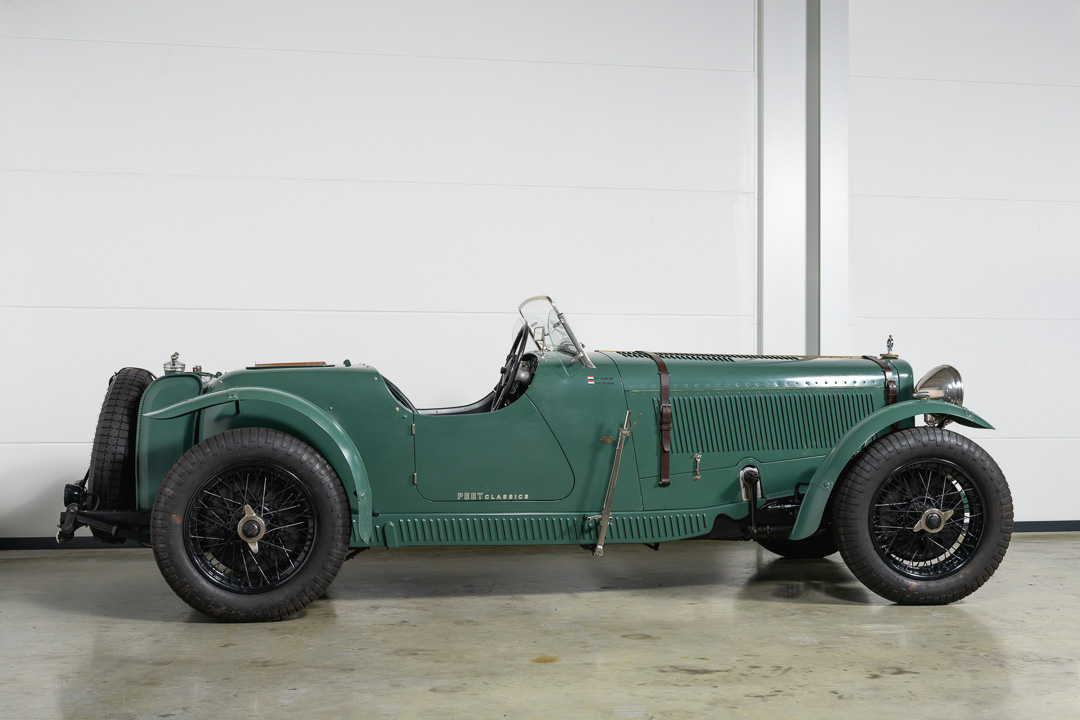
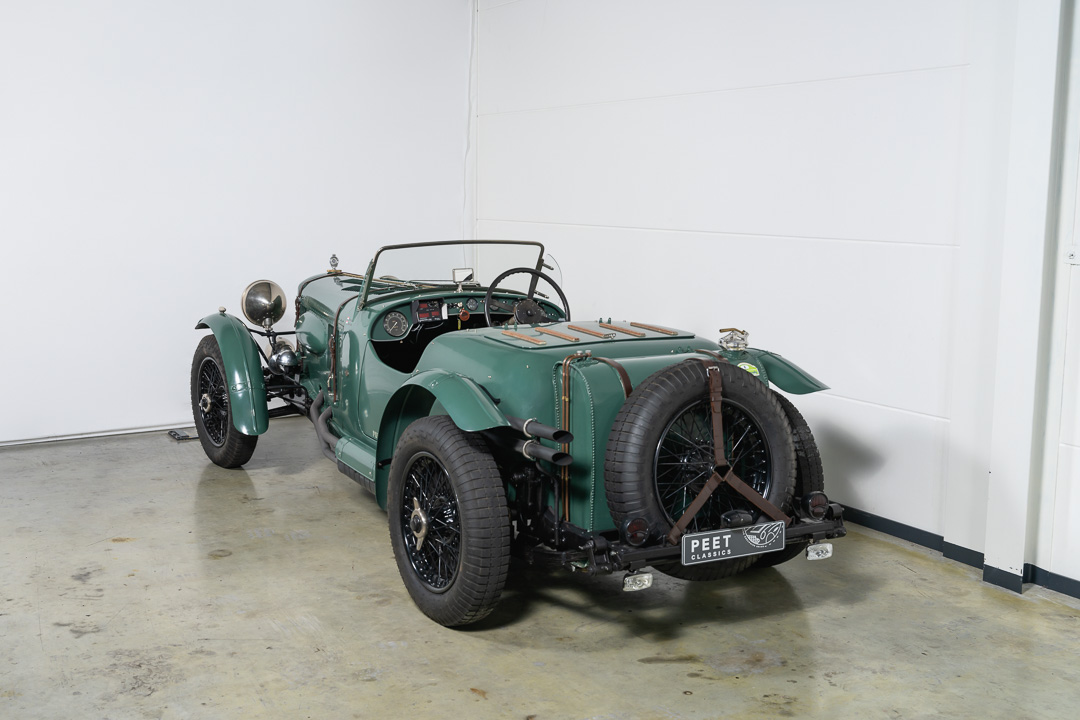
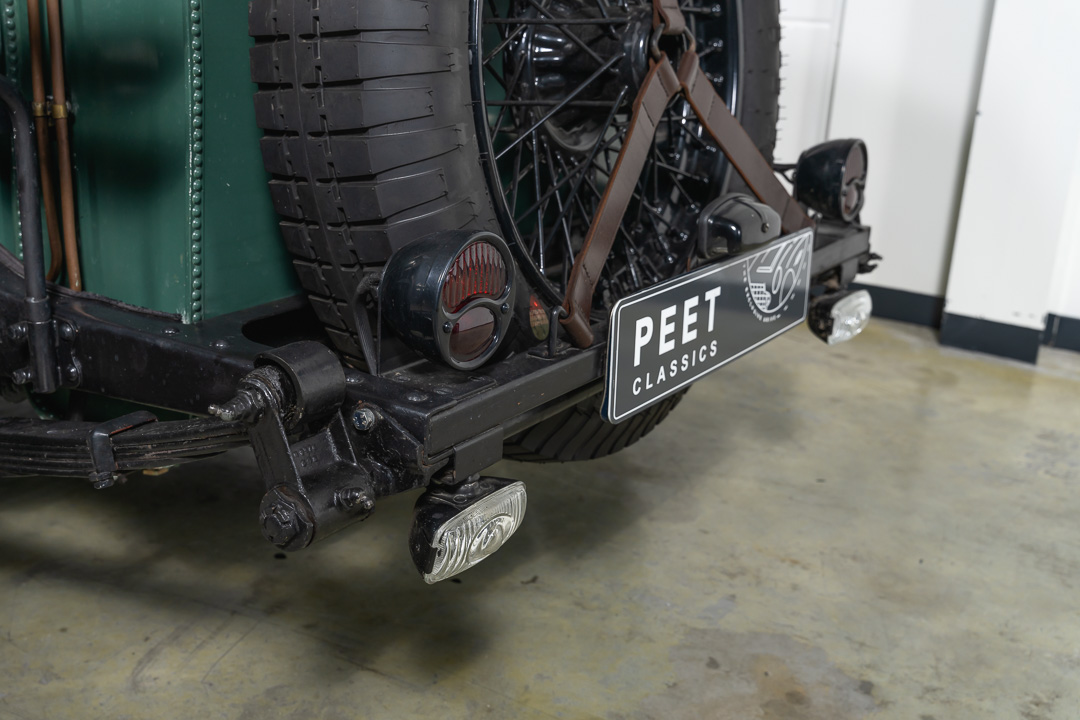
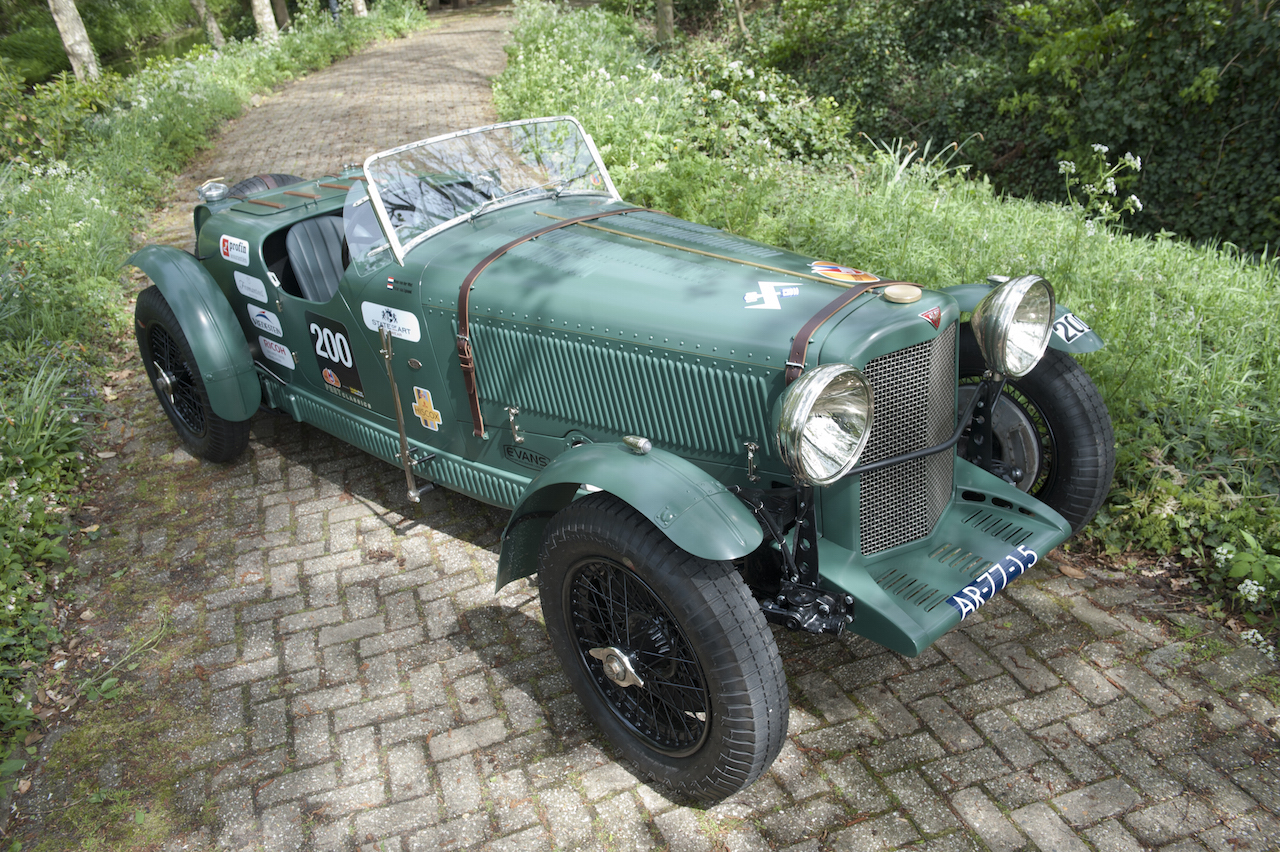
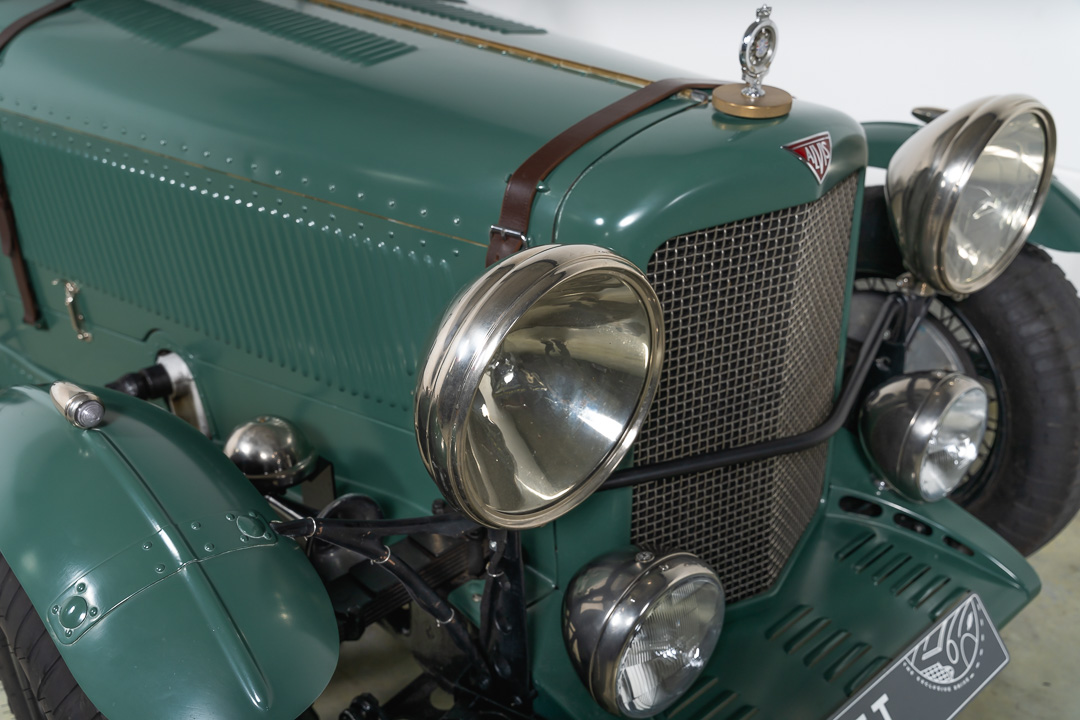
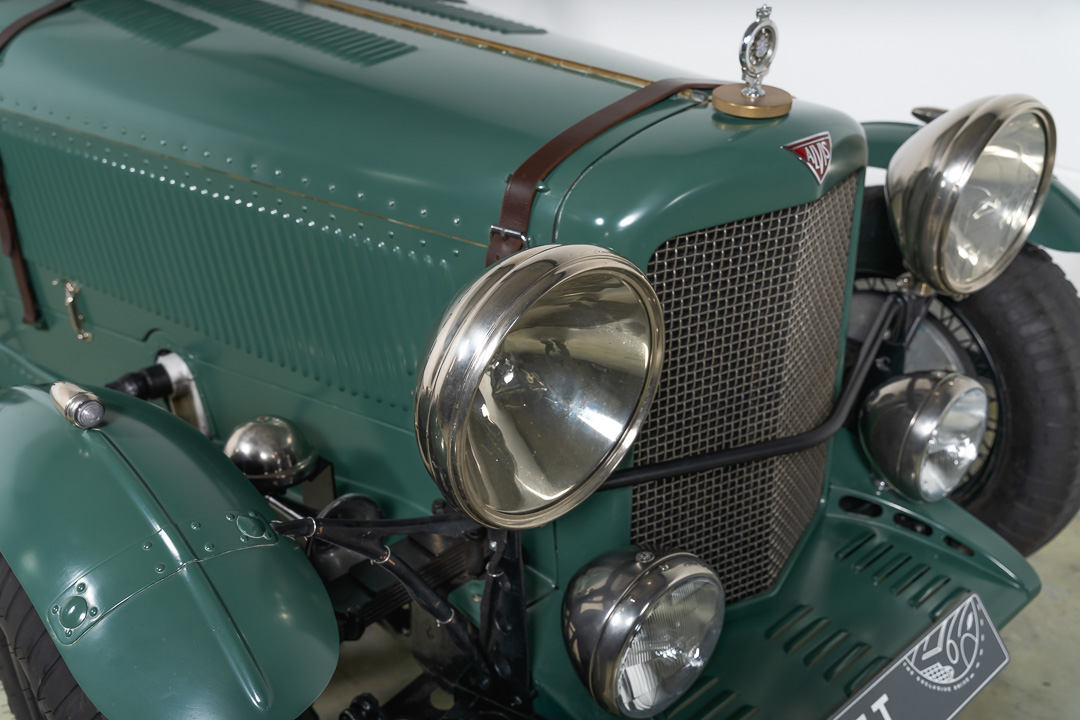
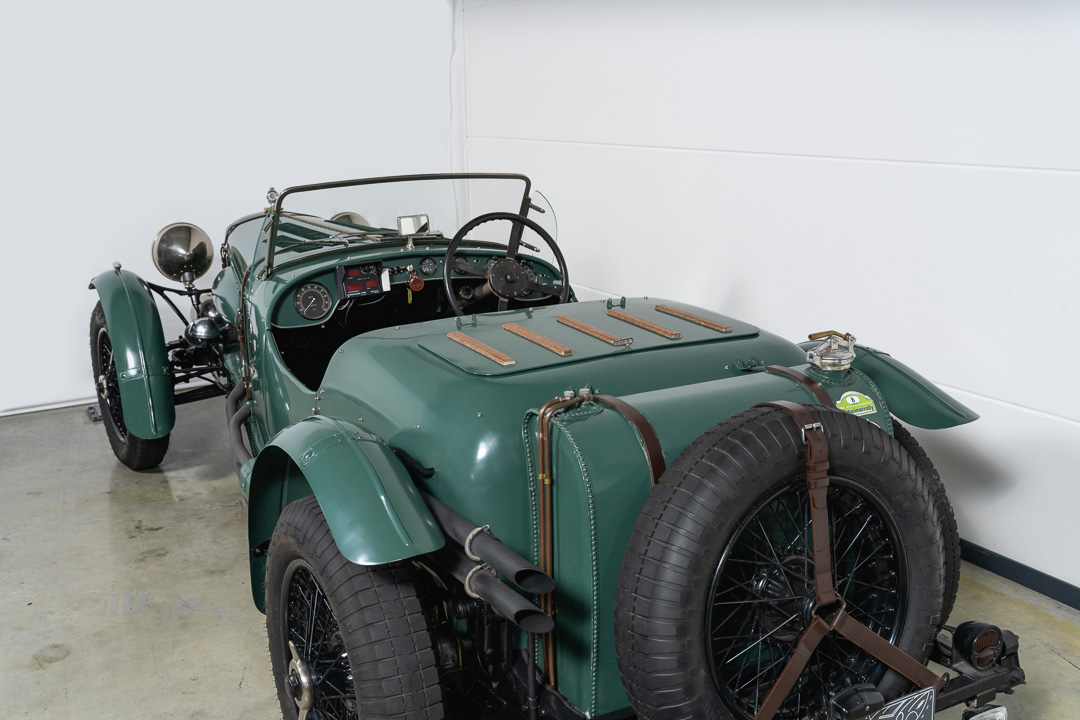
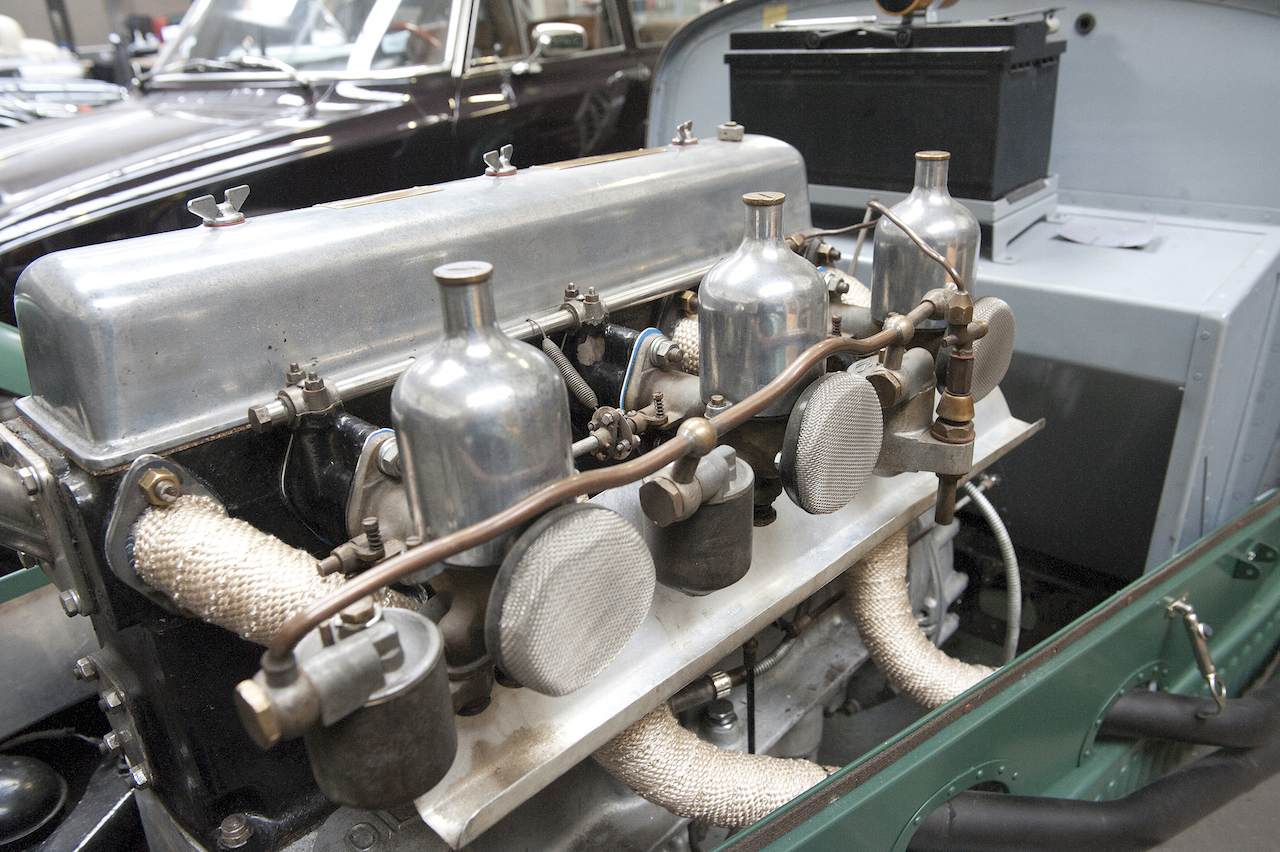
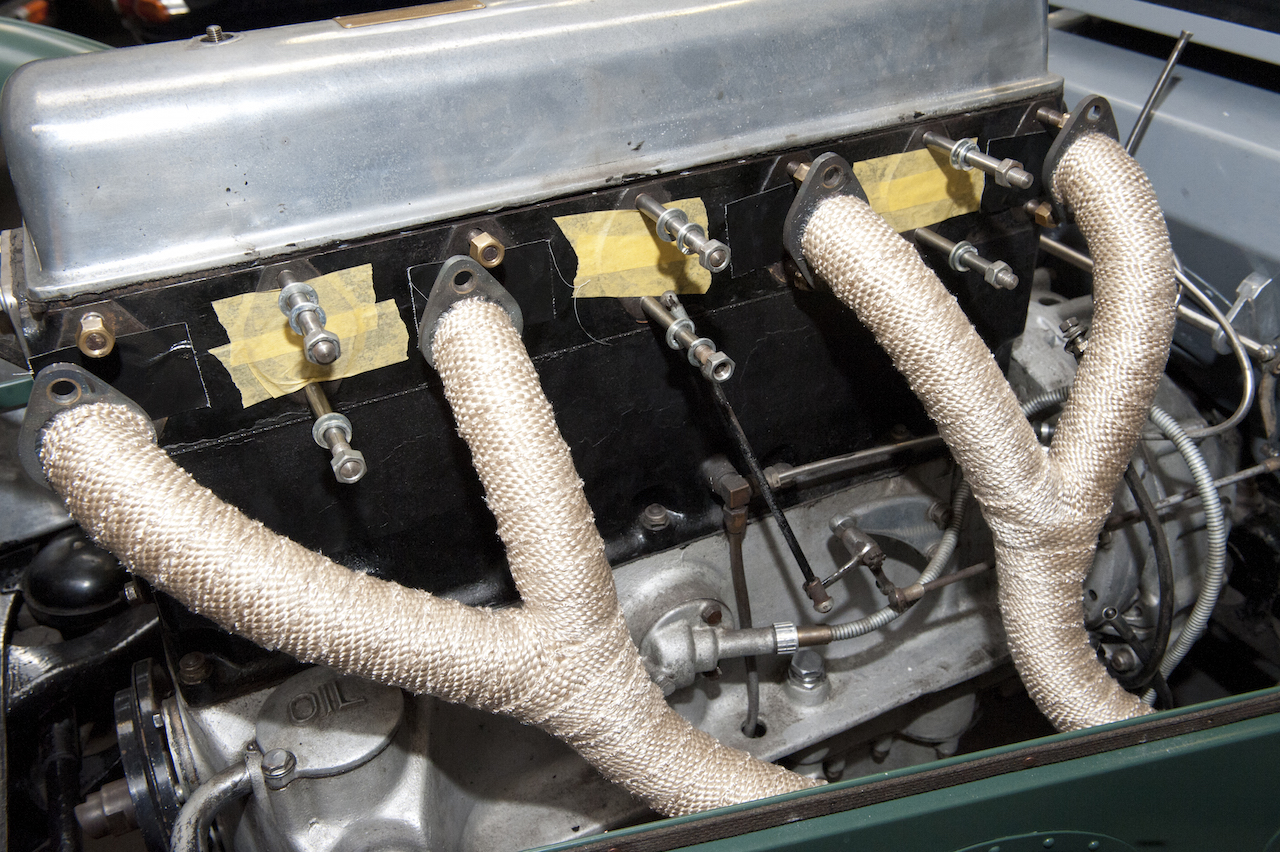
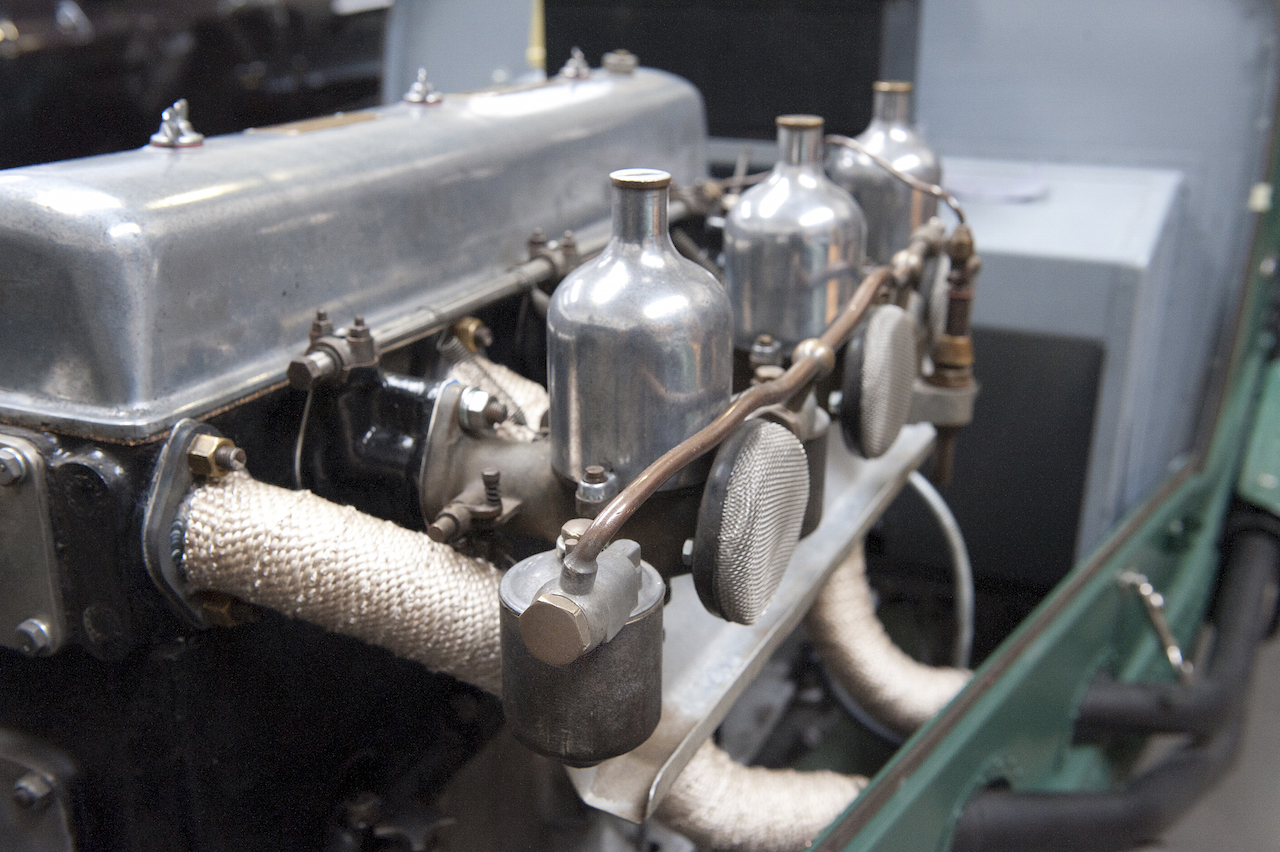
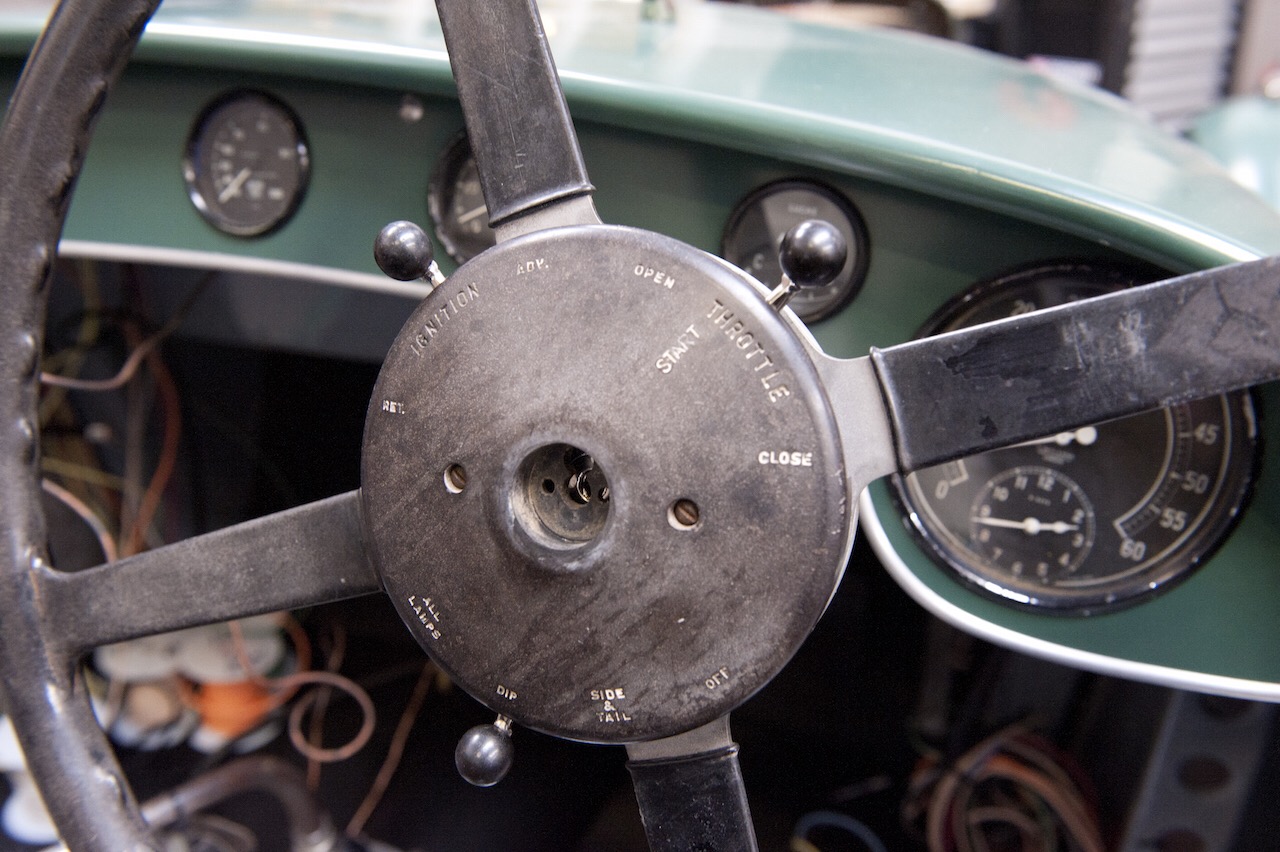
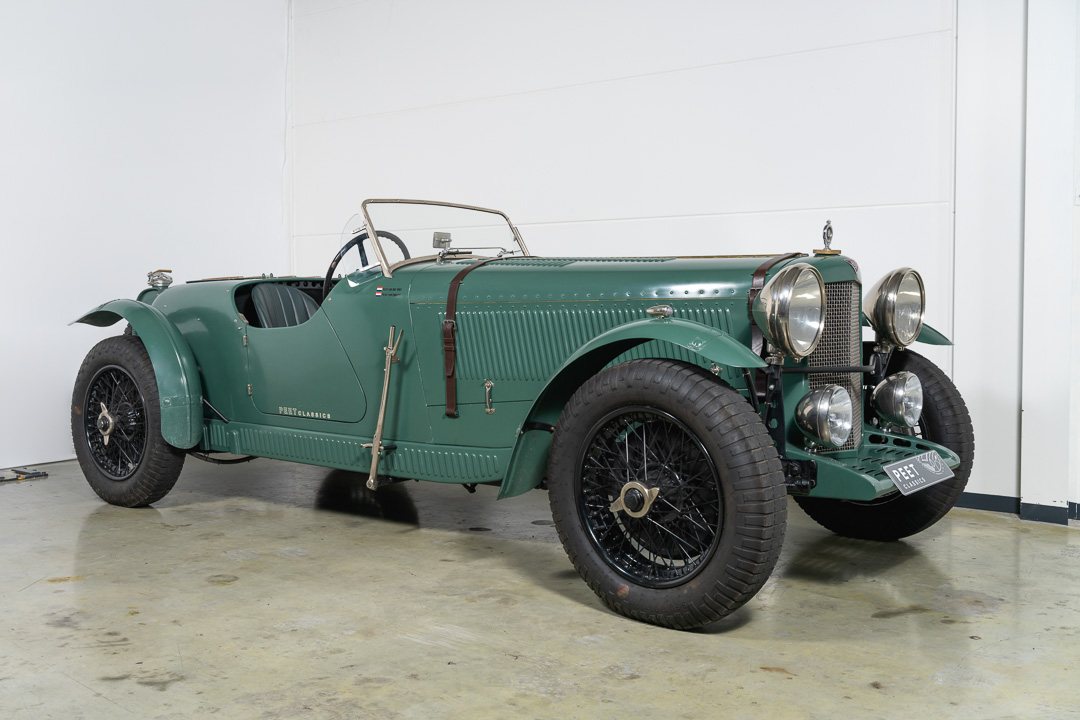
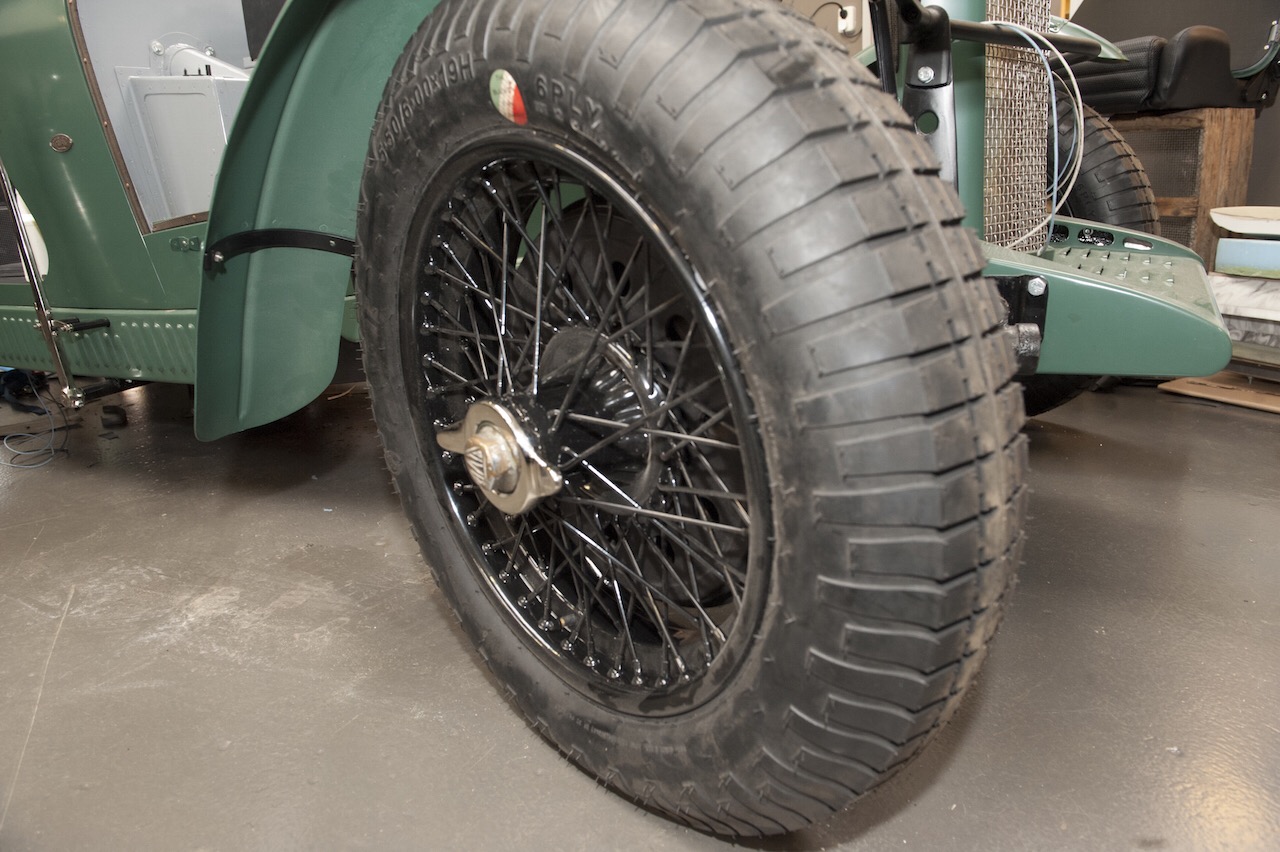
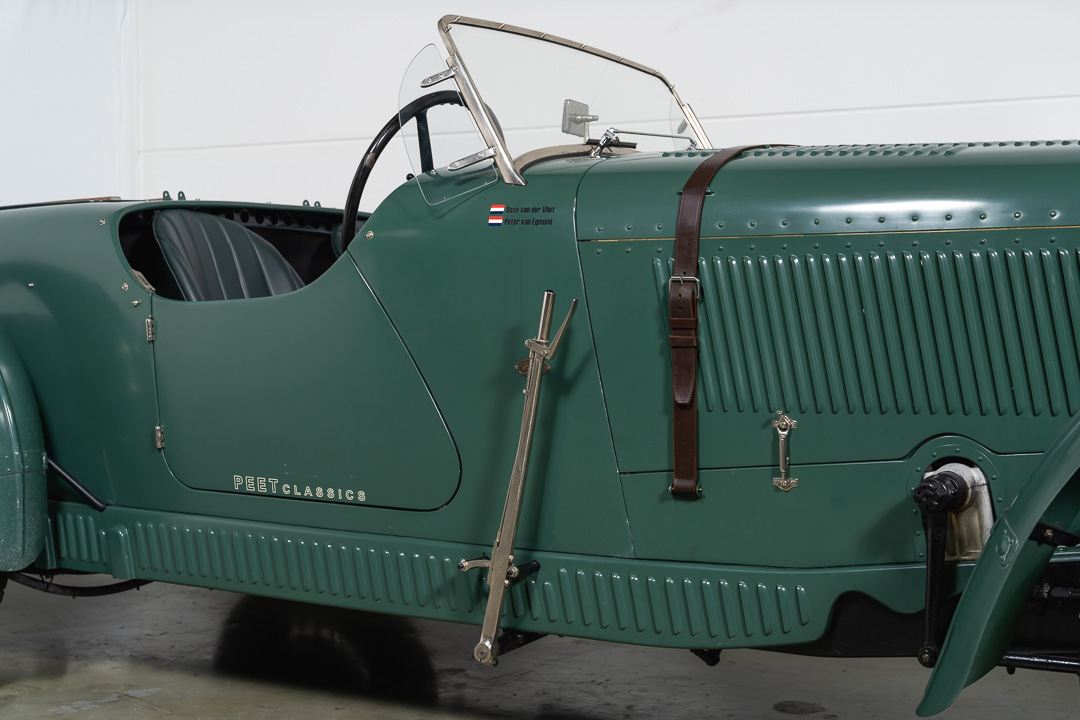
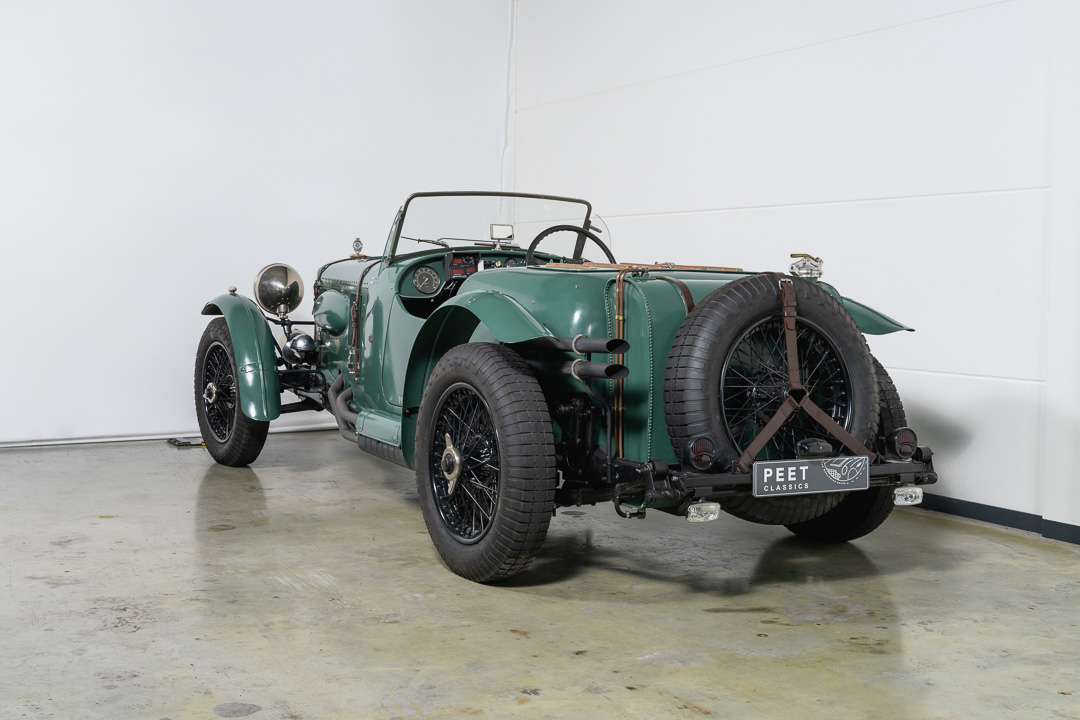
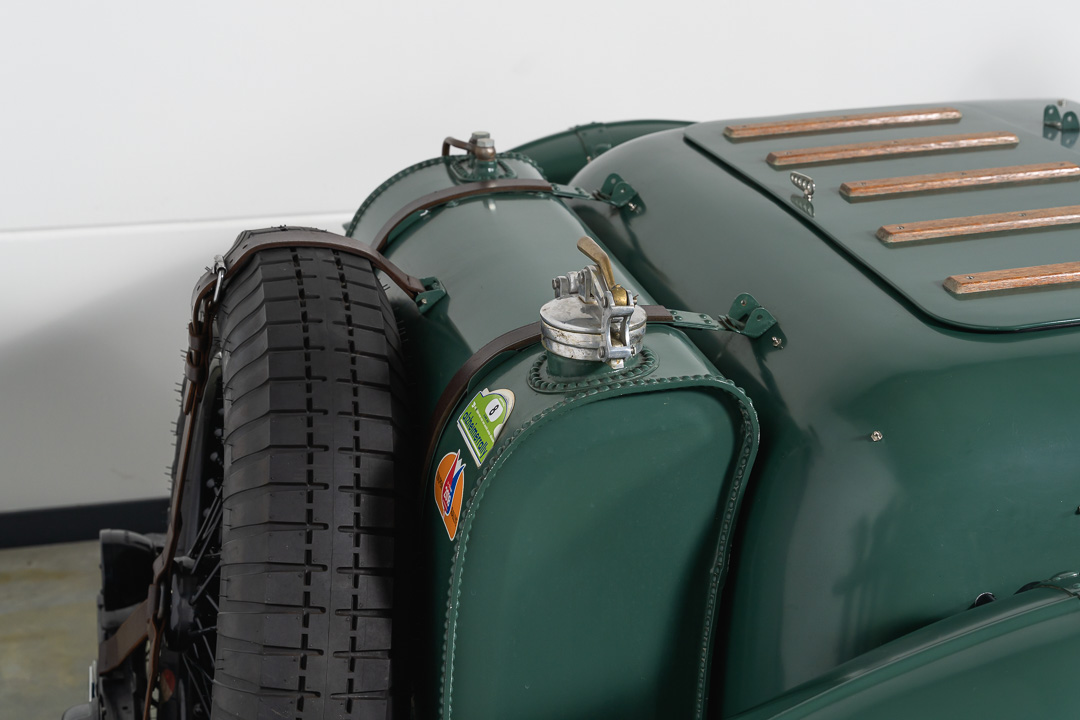
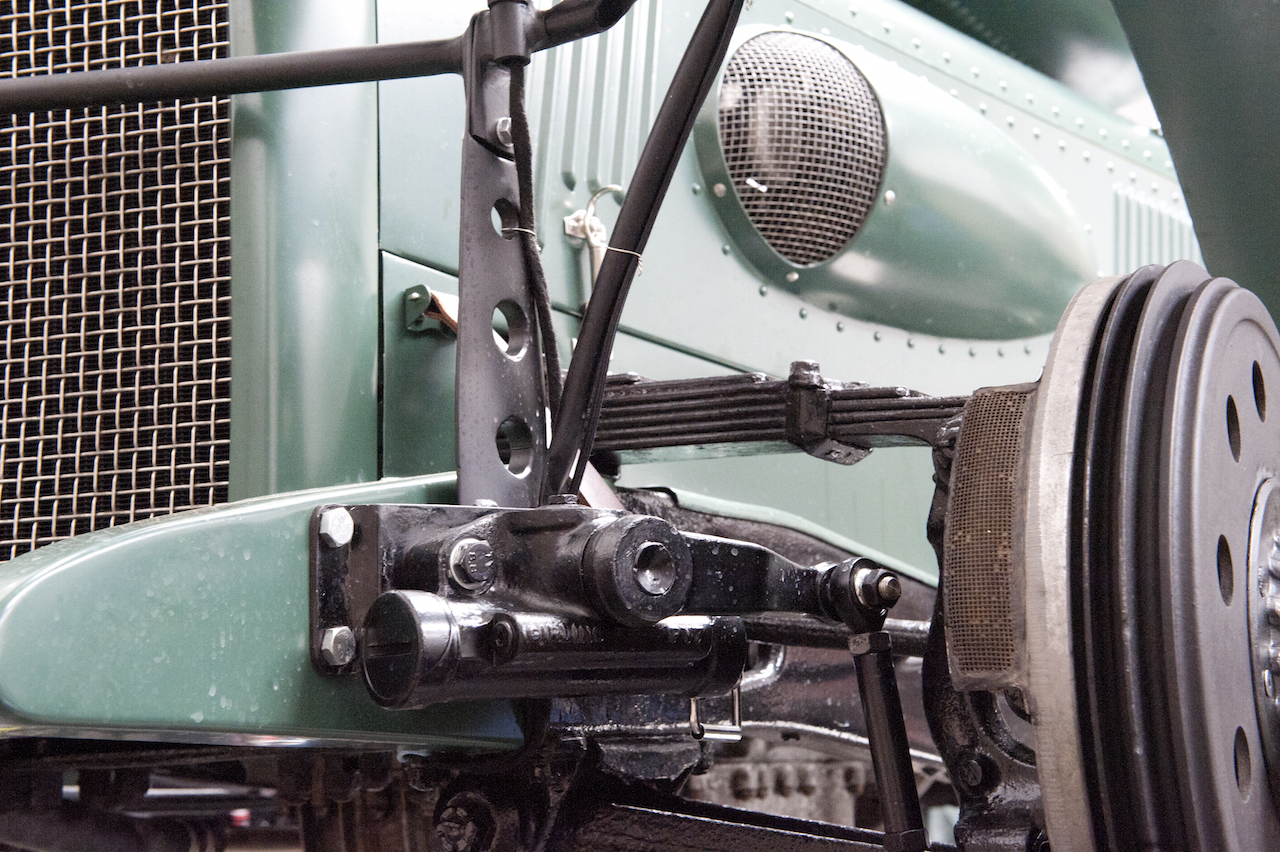
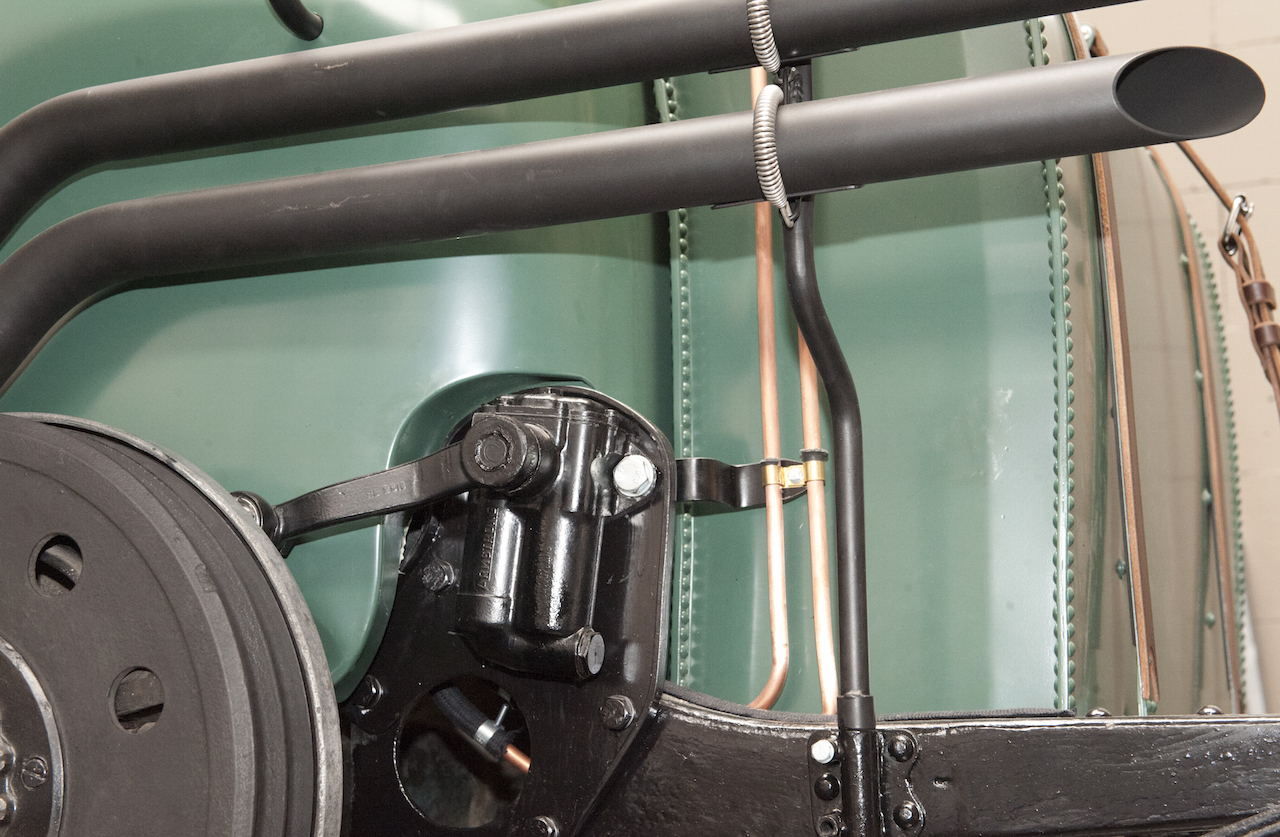
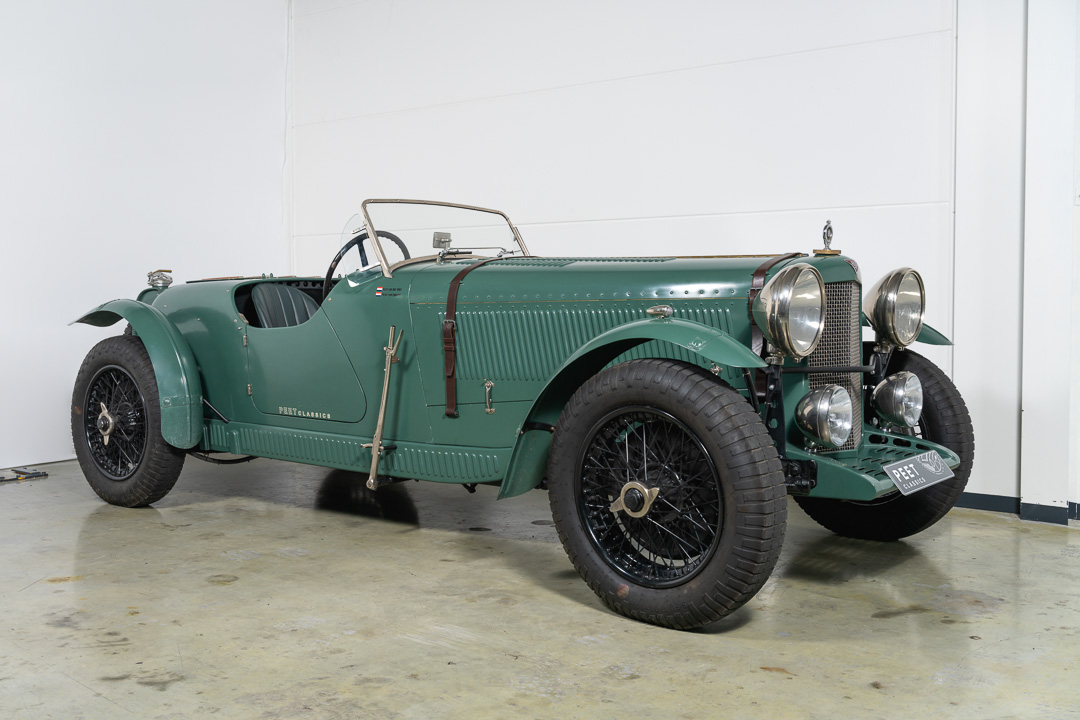
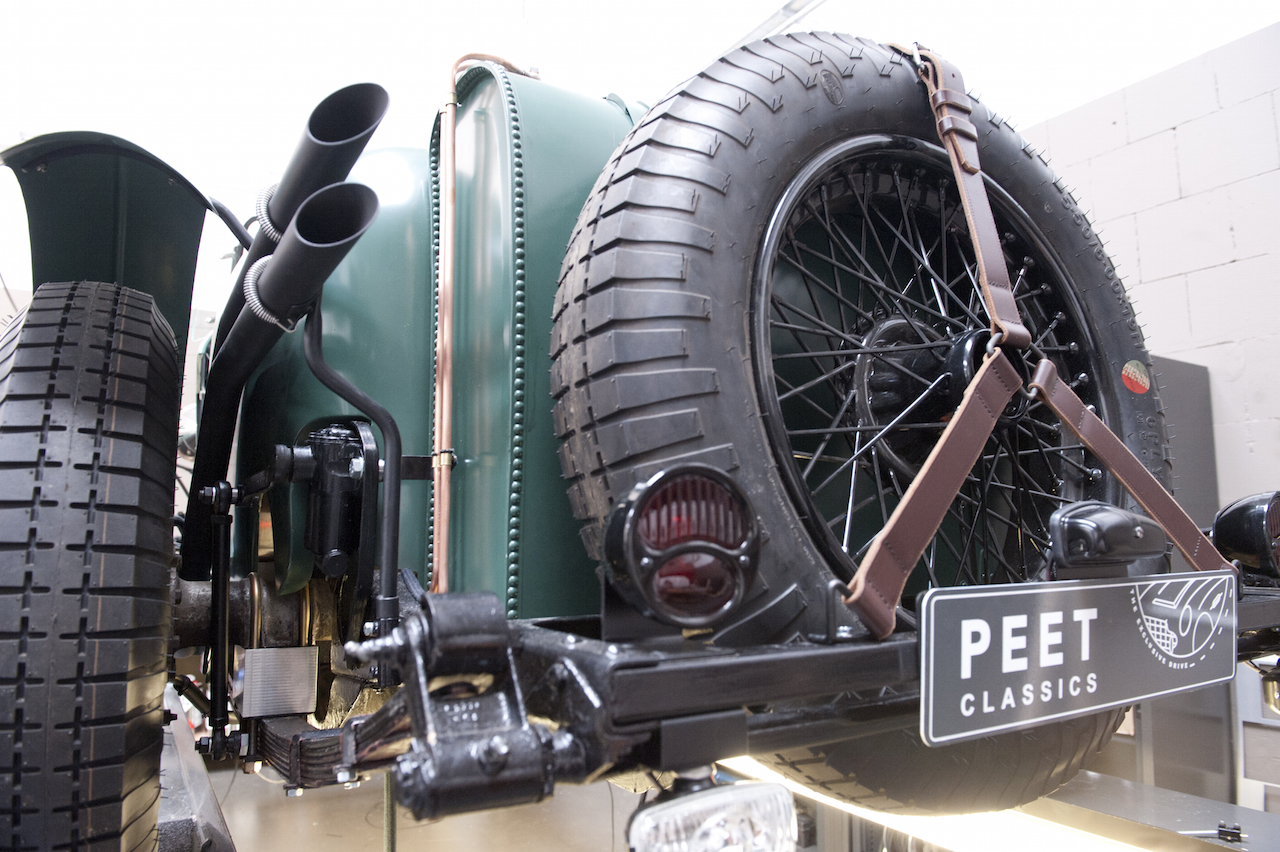
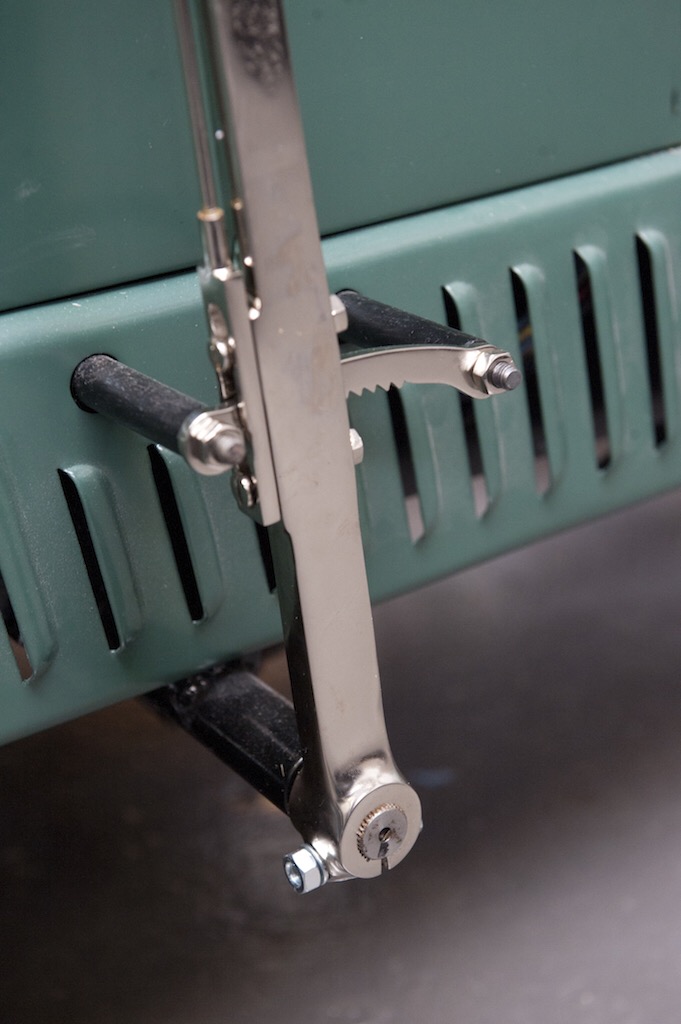
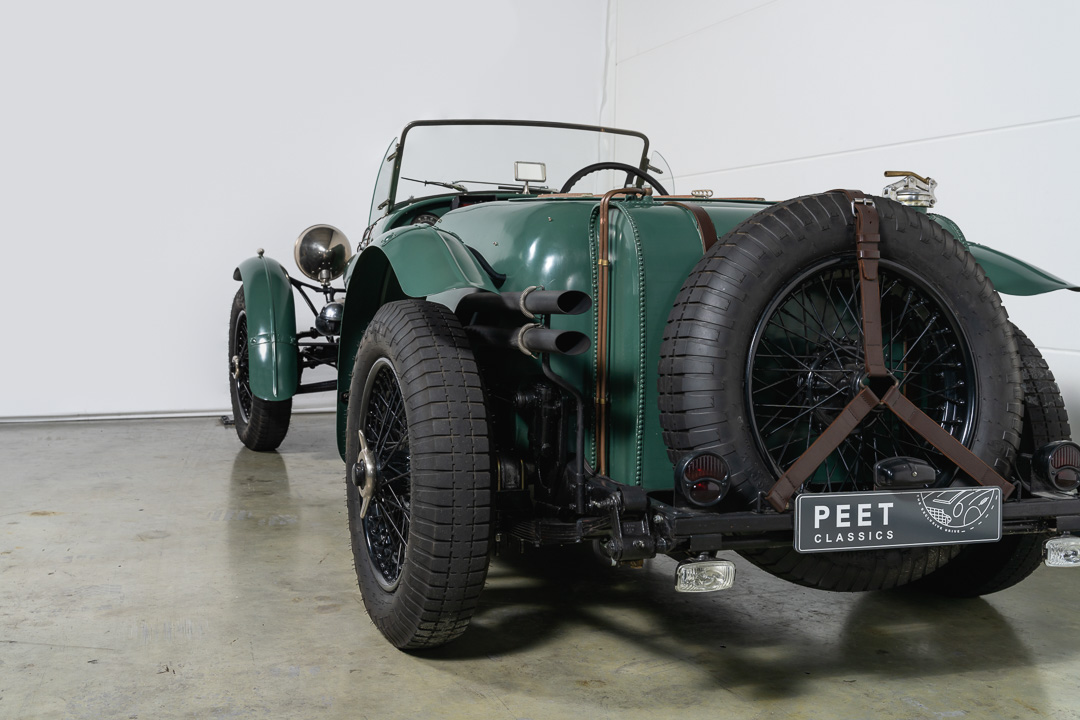
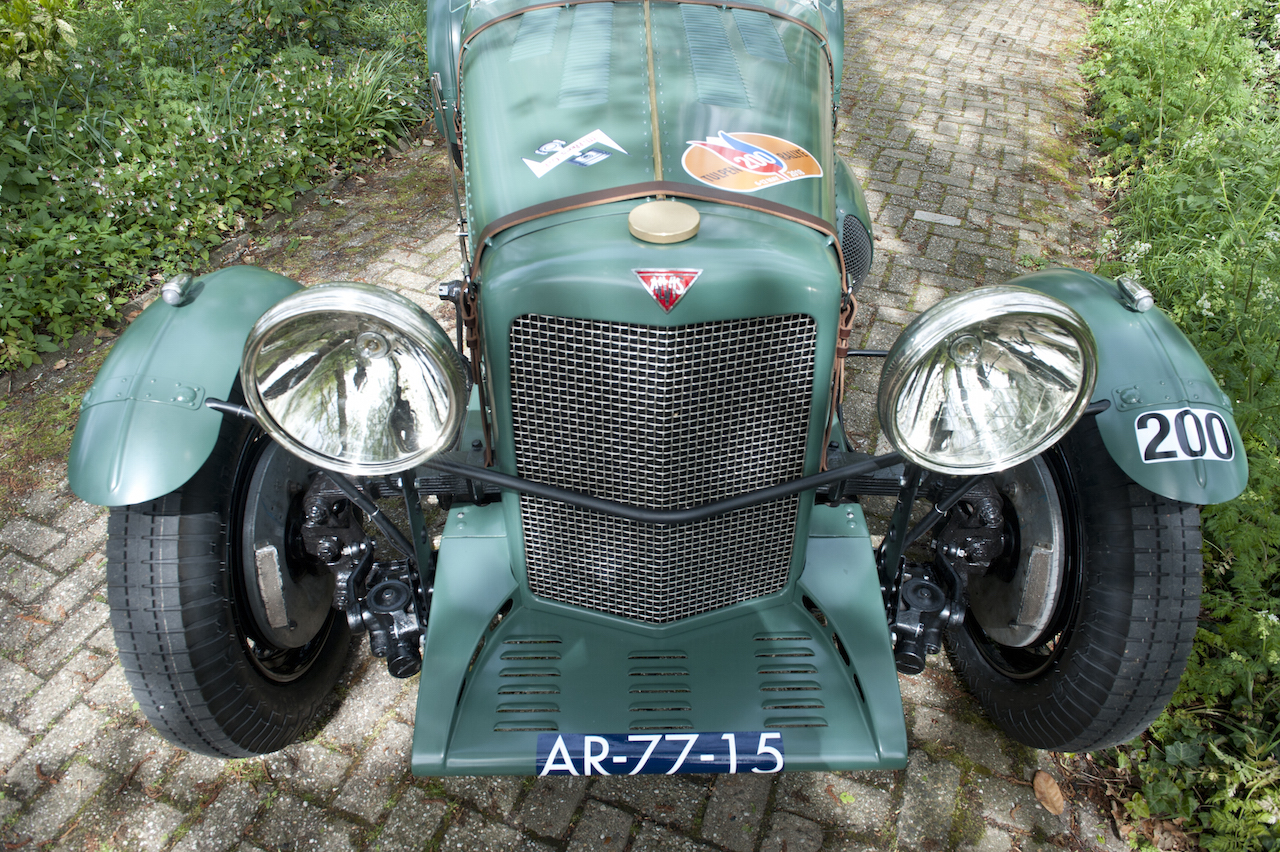
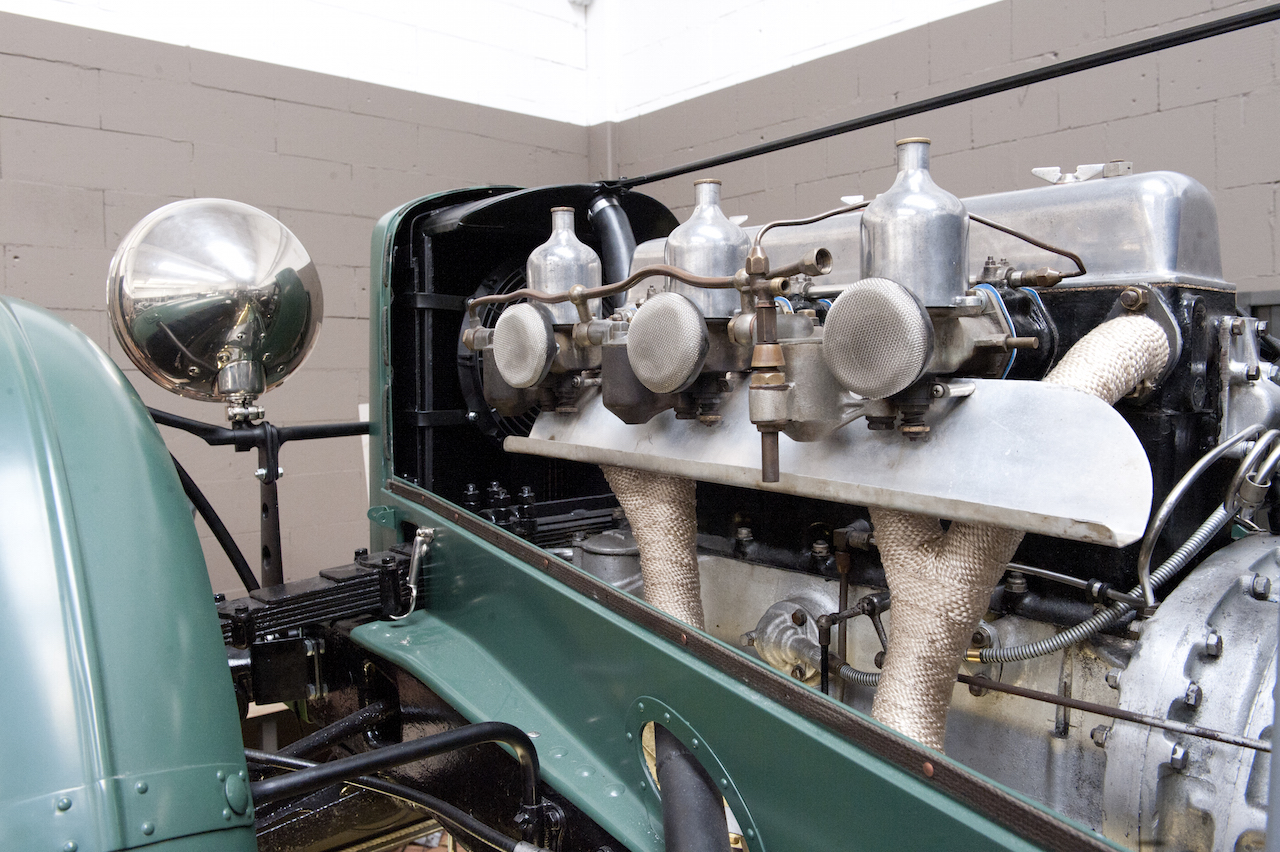
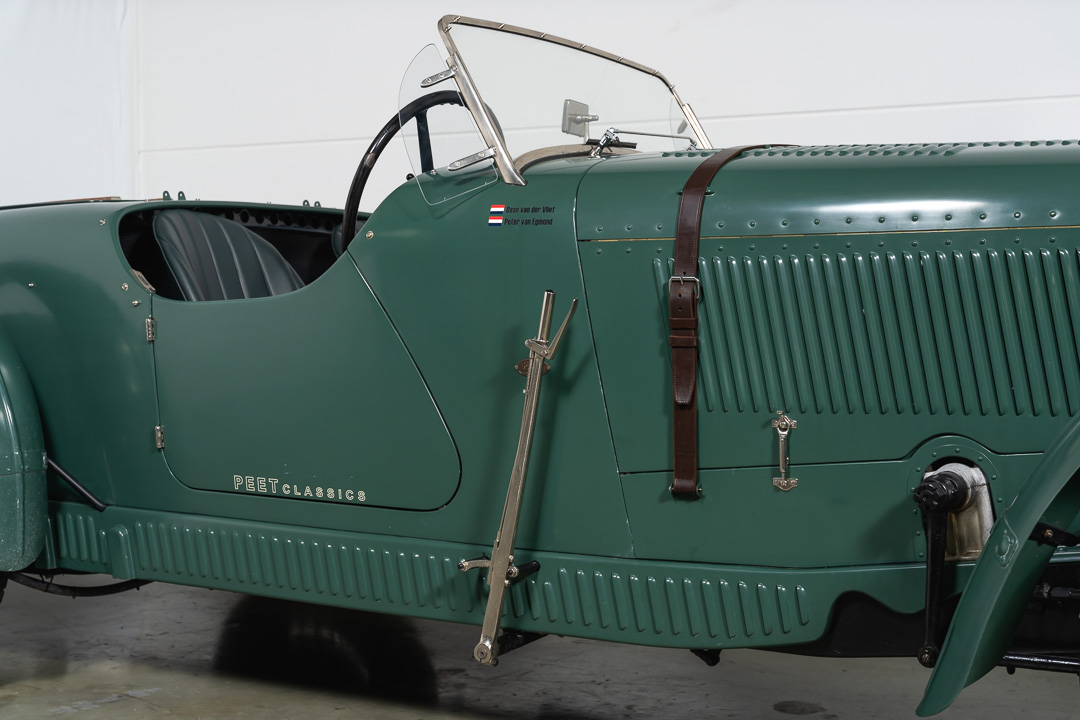
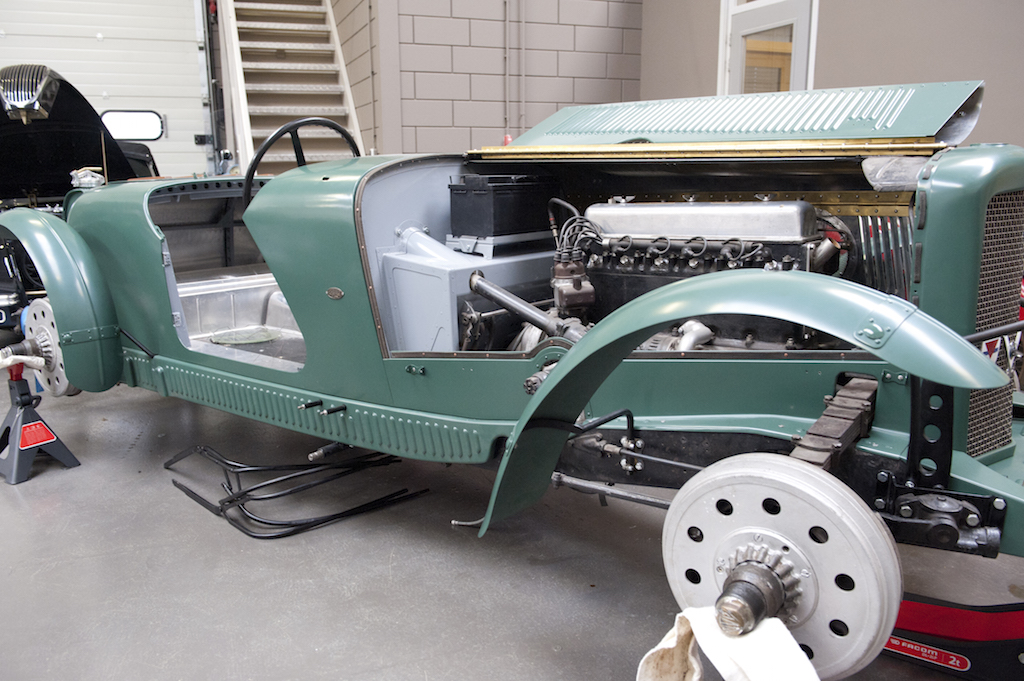
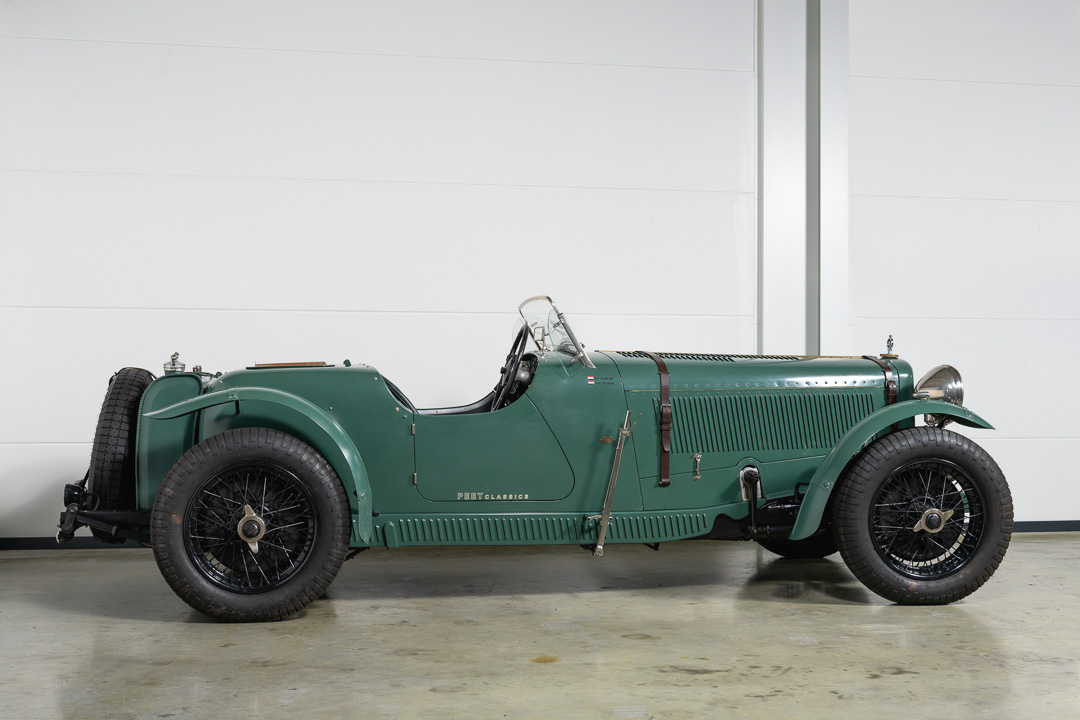
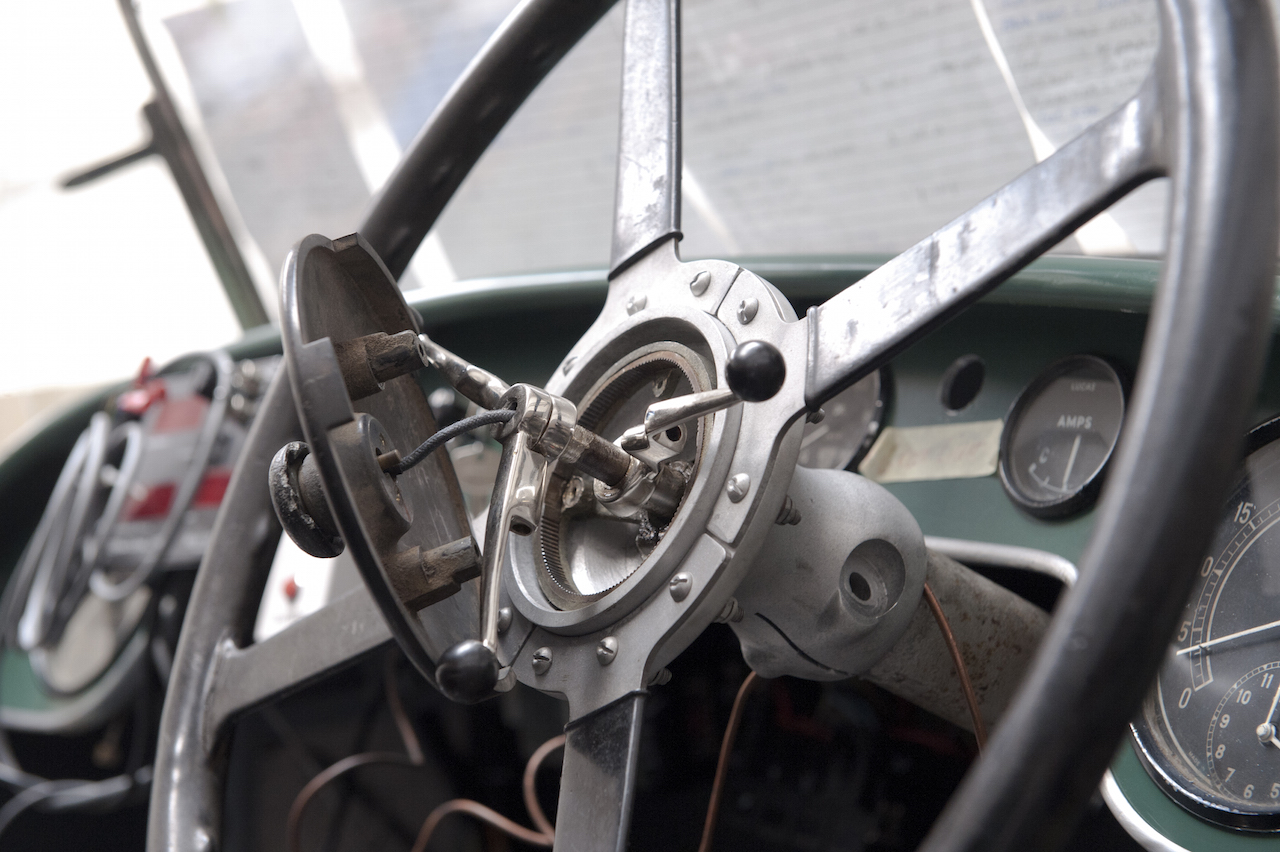
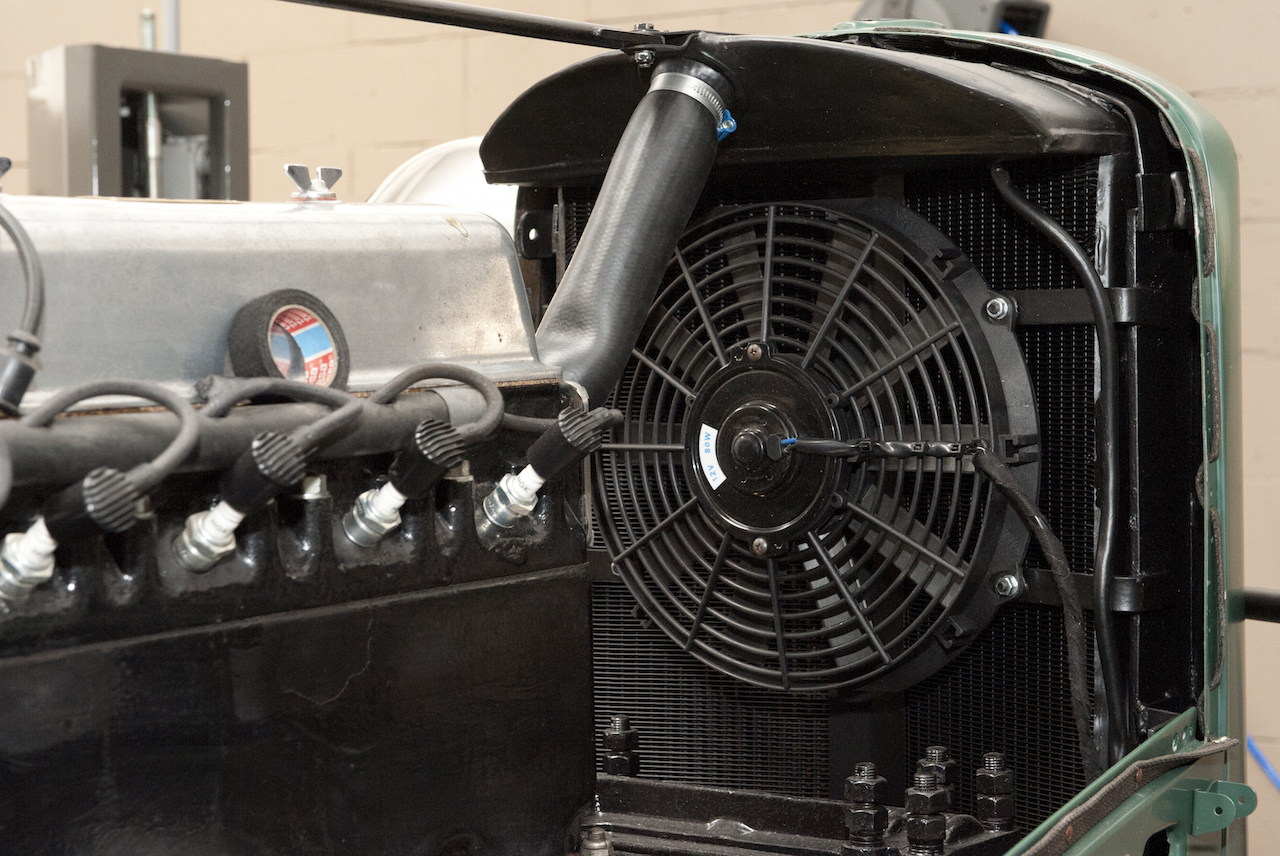
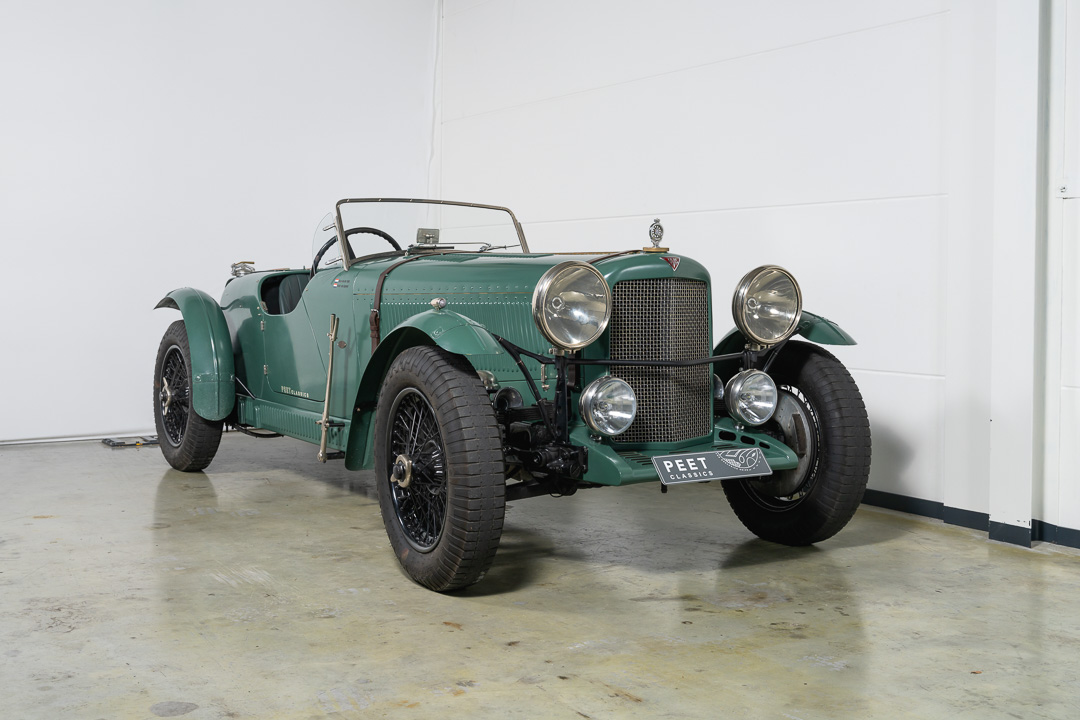
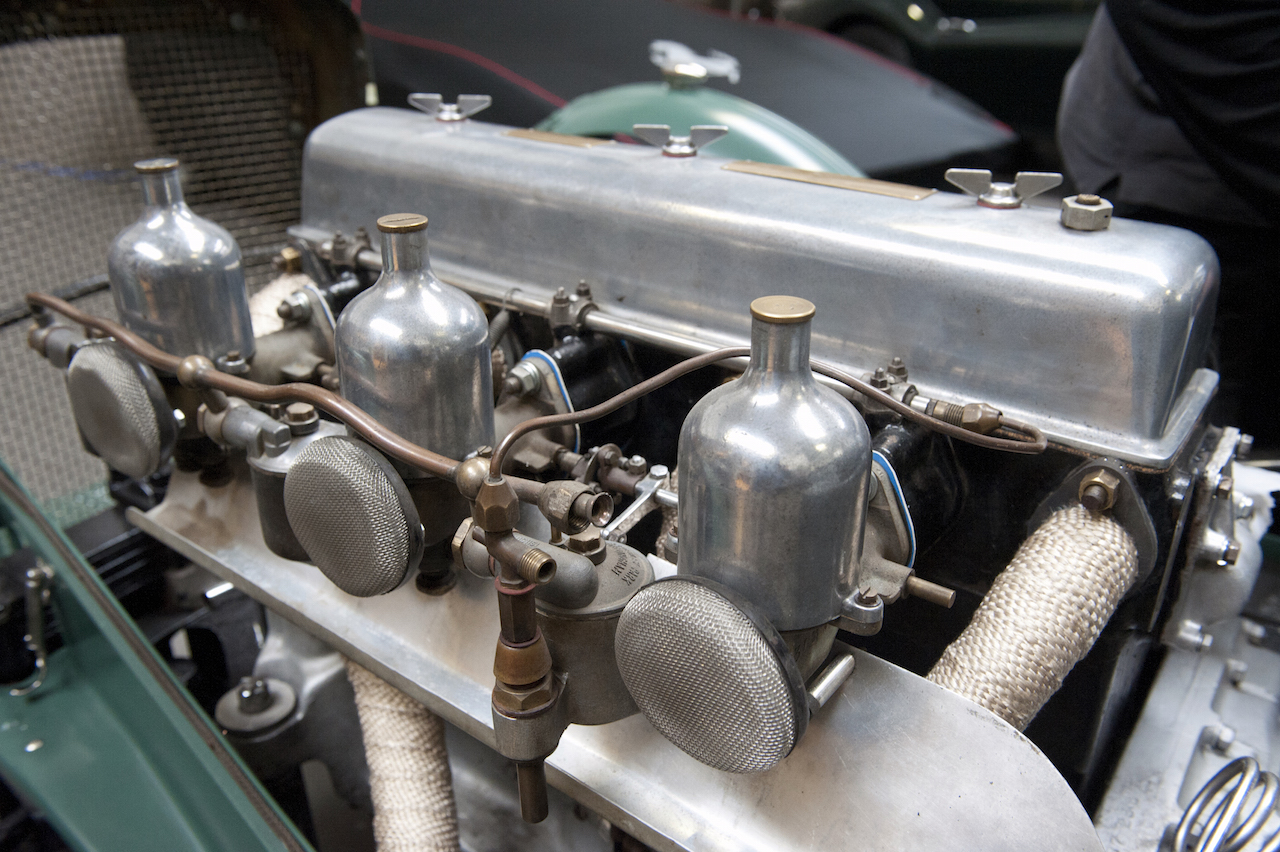
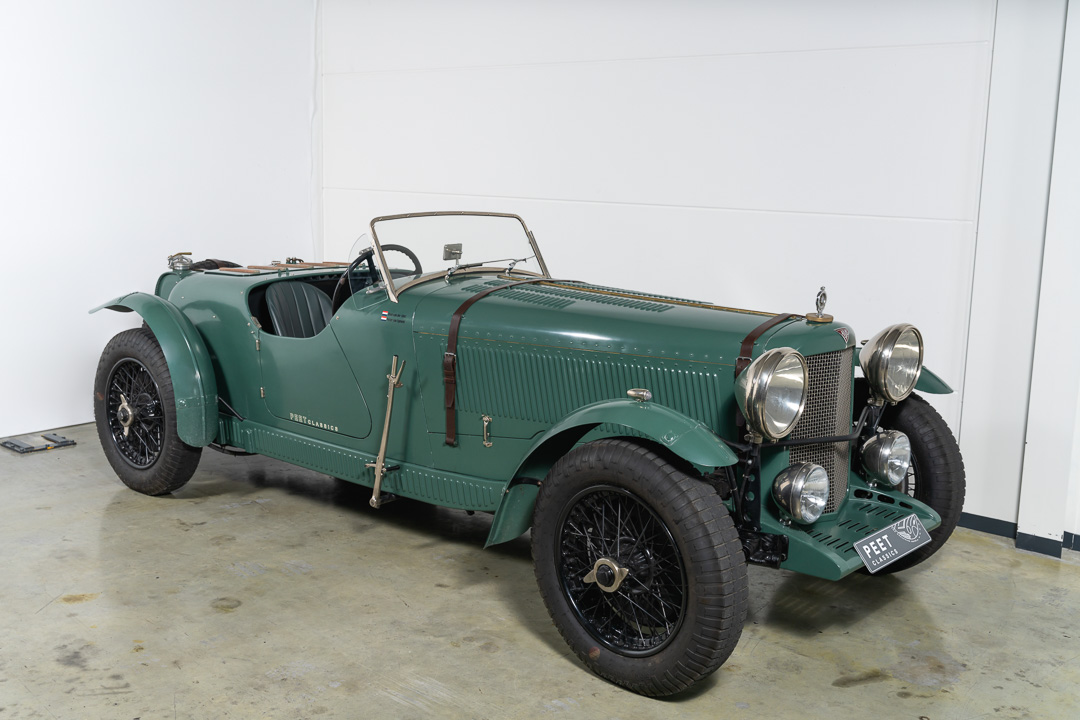
We set out to find a suitable donor for a special. After countless visits to the UK and just as many disappointments, we finally found the answer in the Netherlands. We came across this car within our own network. This Alvis 3.5 Litre was delivered in 1936 to the Mayfair Carriage Company with a saloon body; in 1973 Brian Chant bought the car and converted it into a single-seat racer.
After acquiring the car, we first drove it to see what we were dealing with. After a summer of driving, its road behaviour proved to fit the brief — now for the looks.
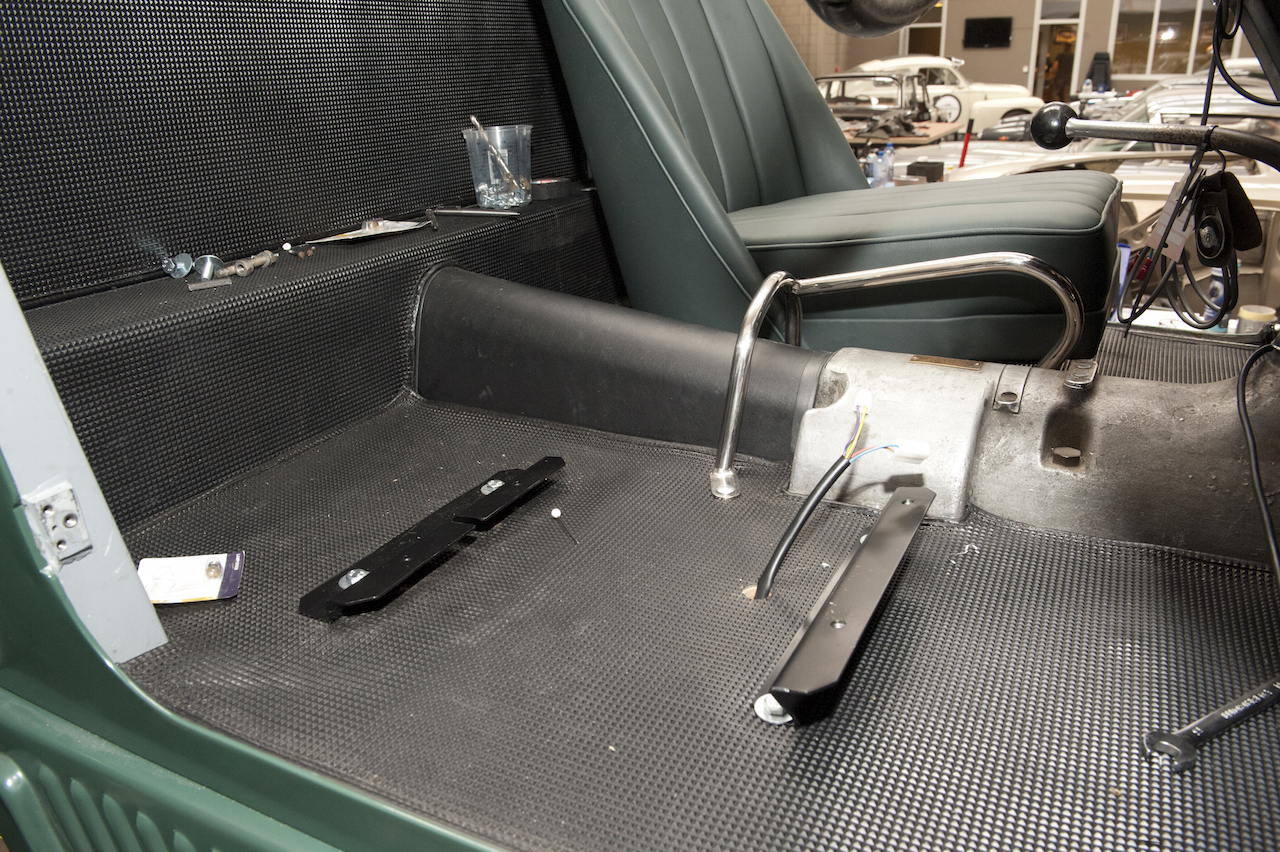
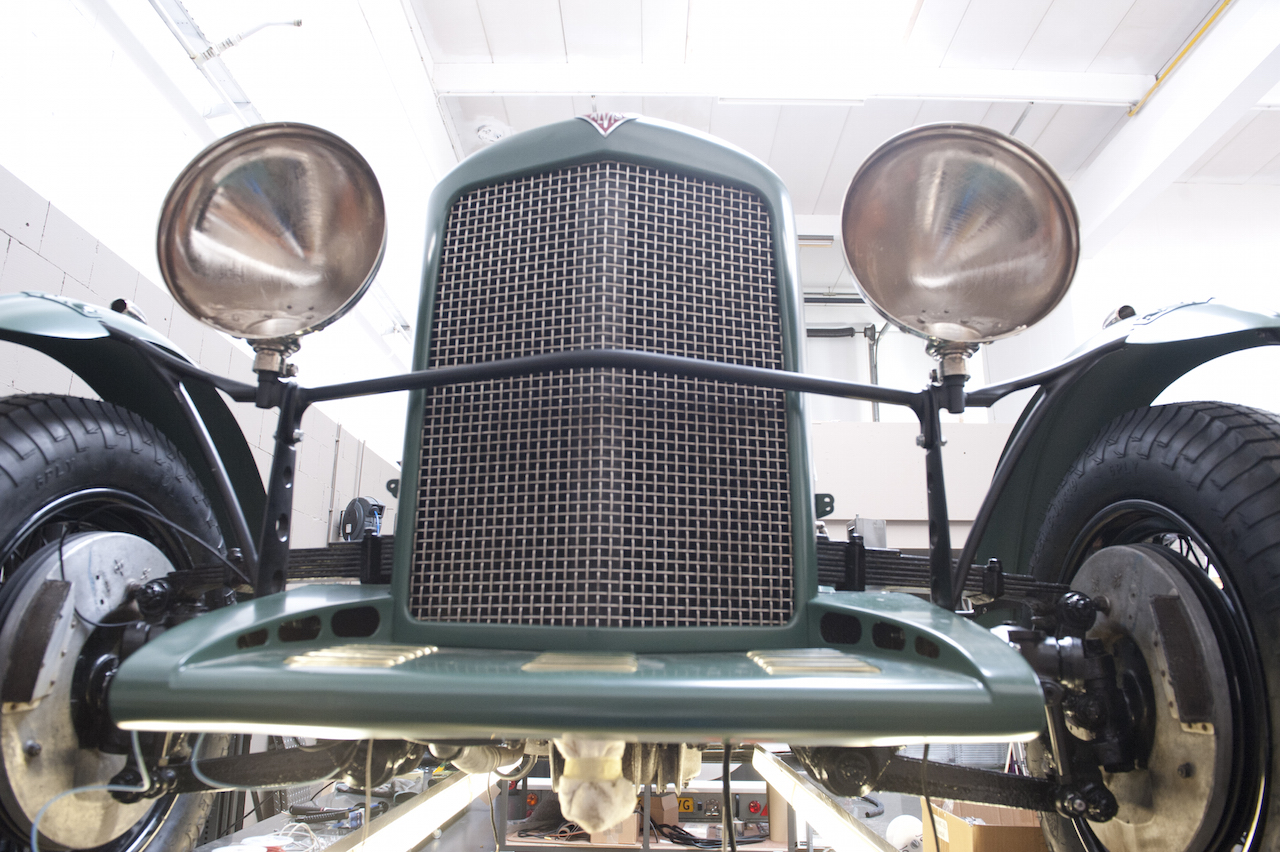
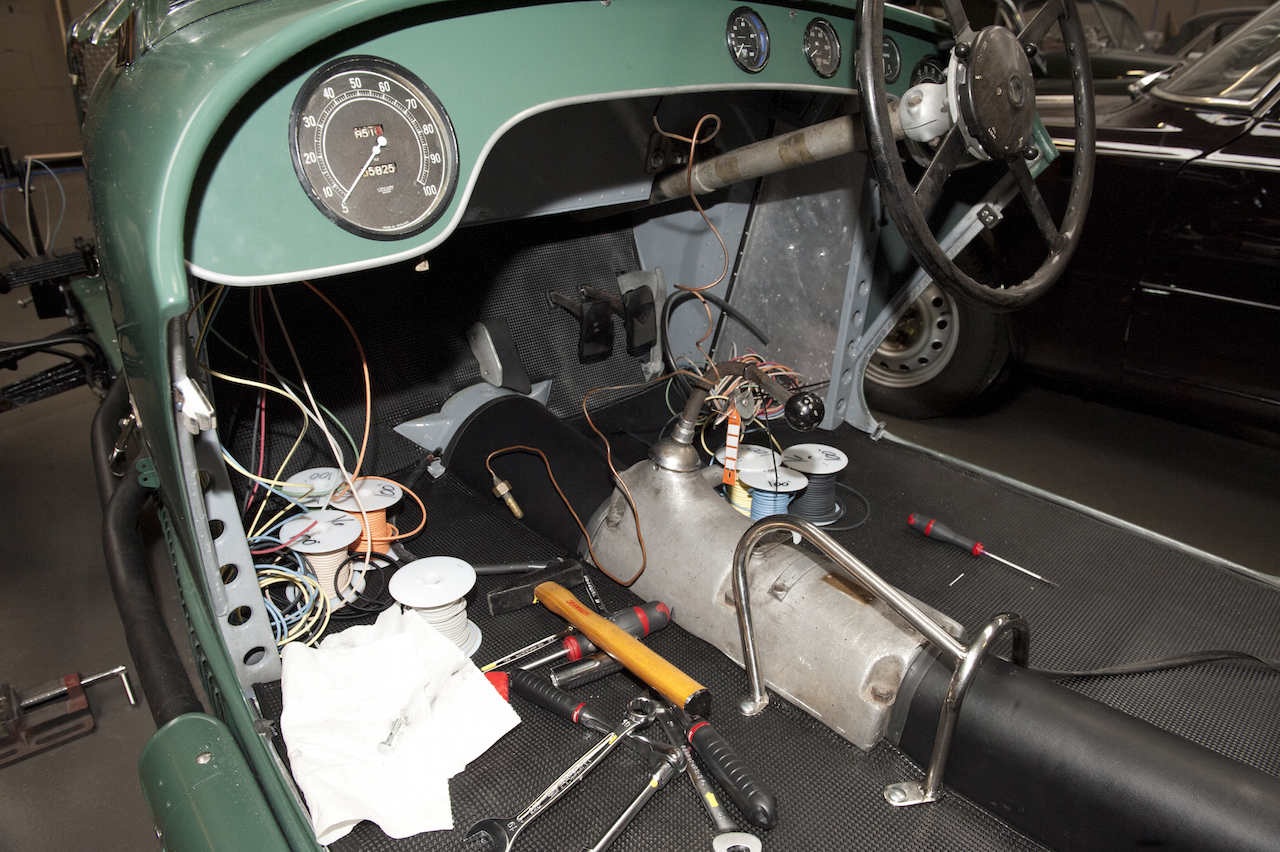
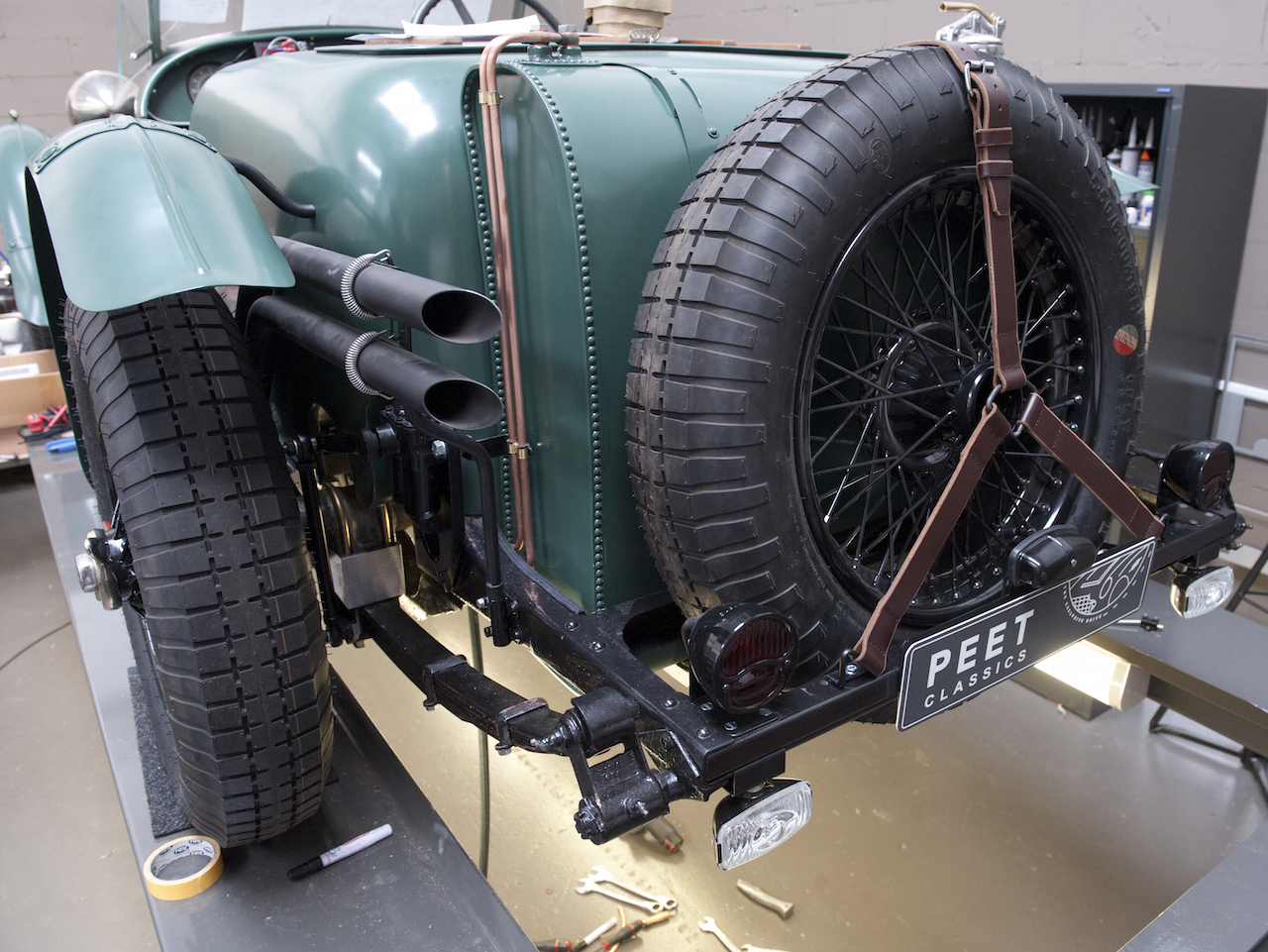
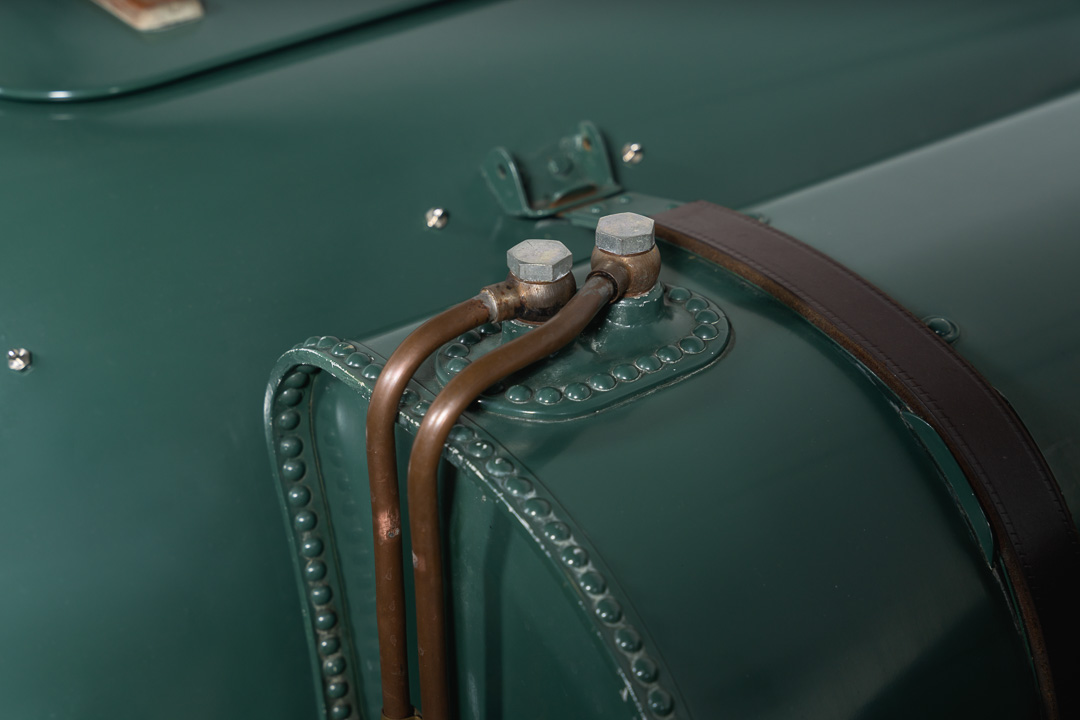
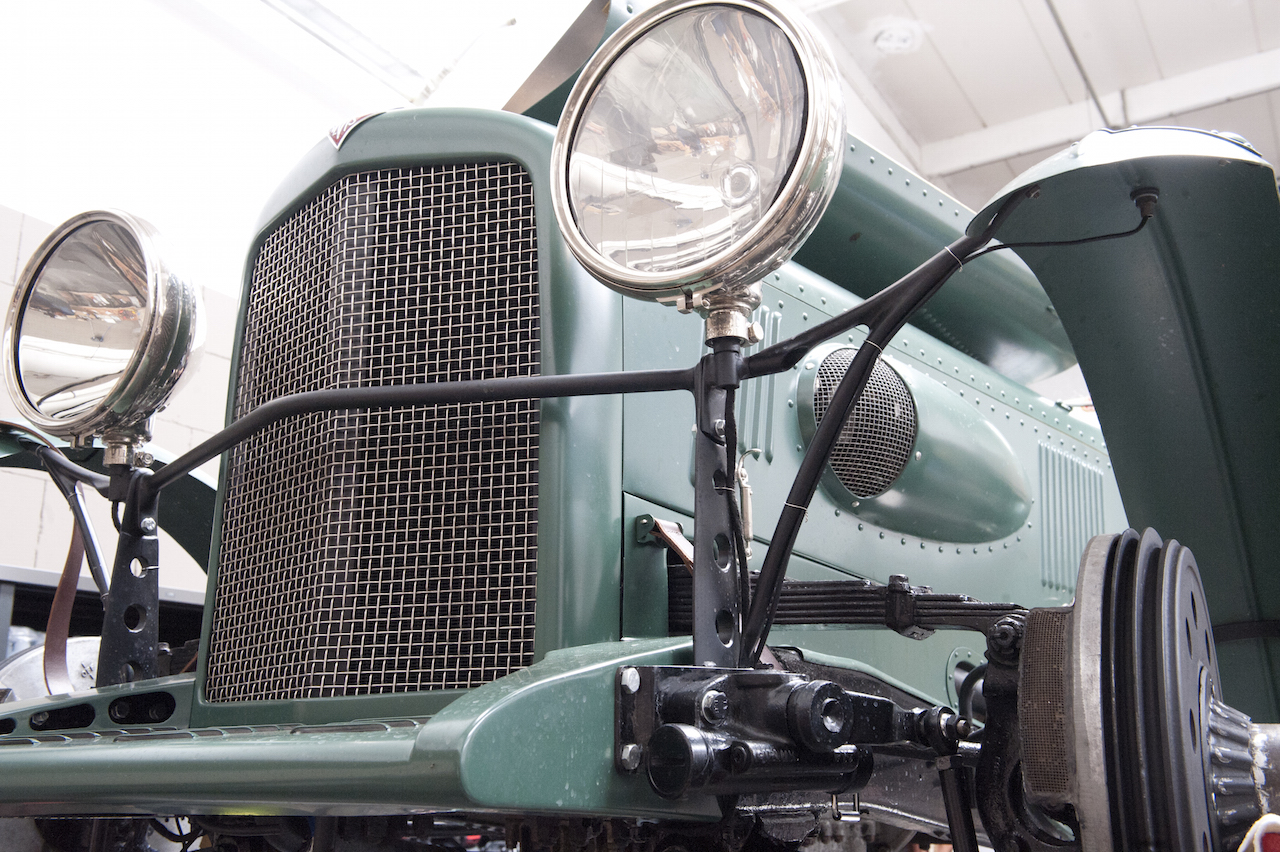
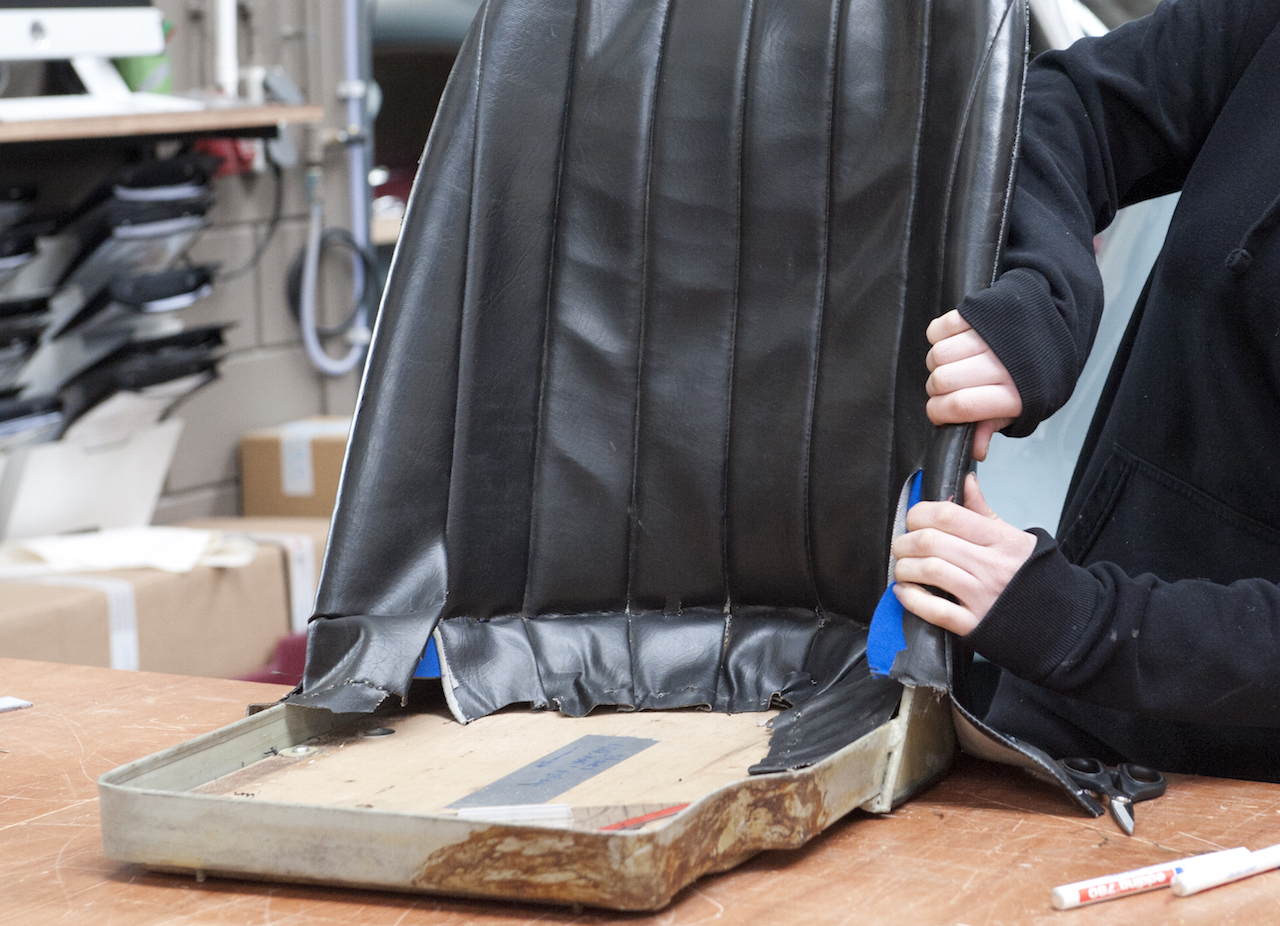
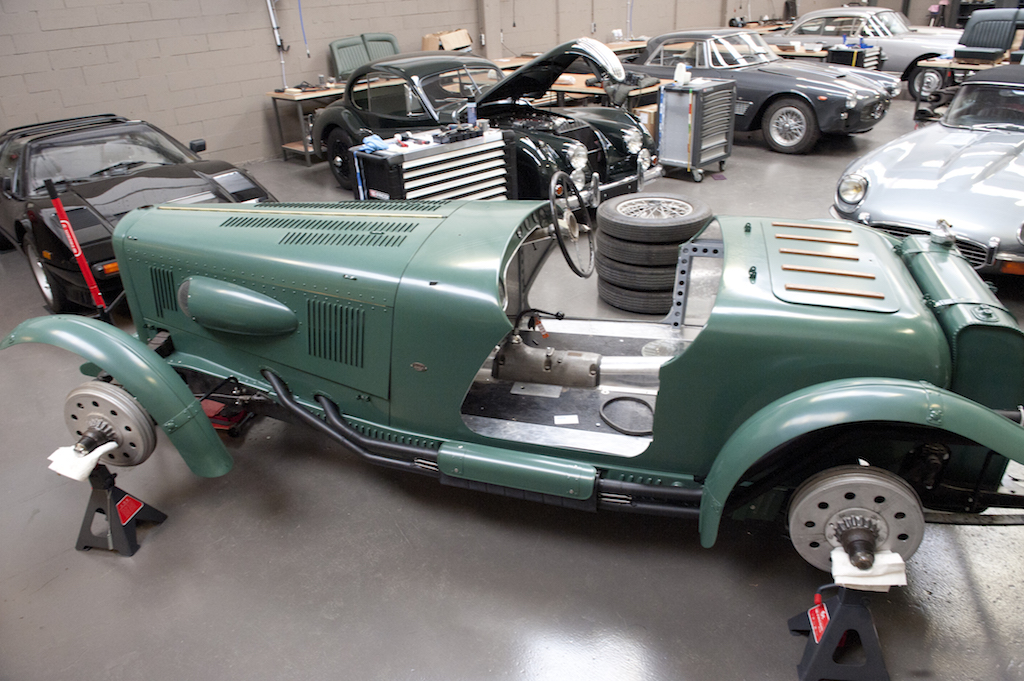
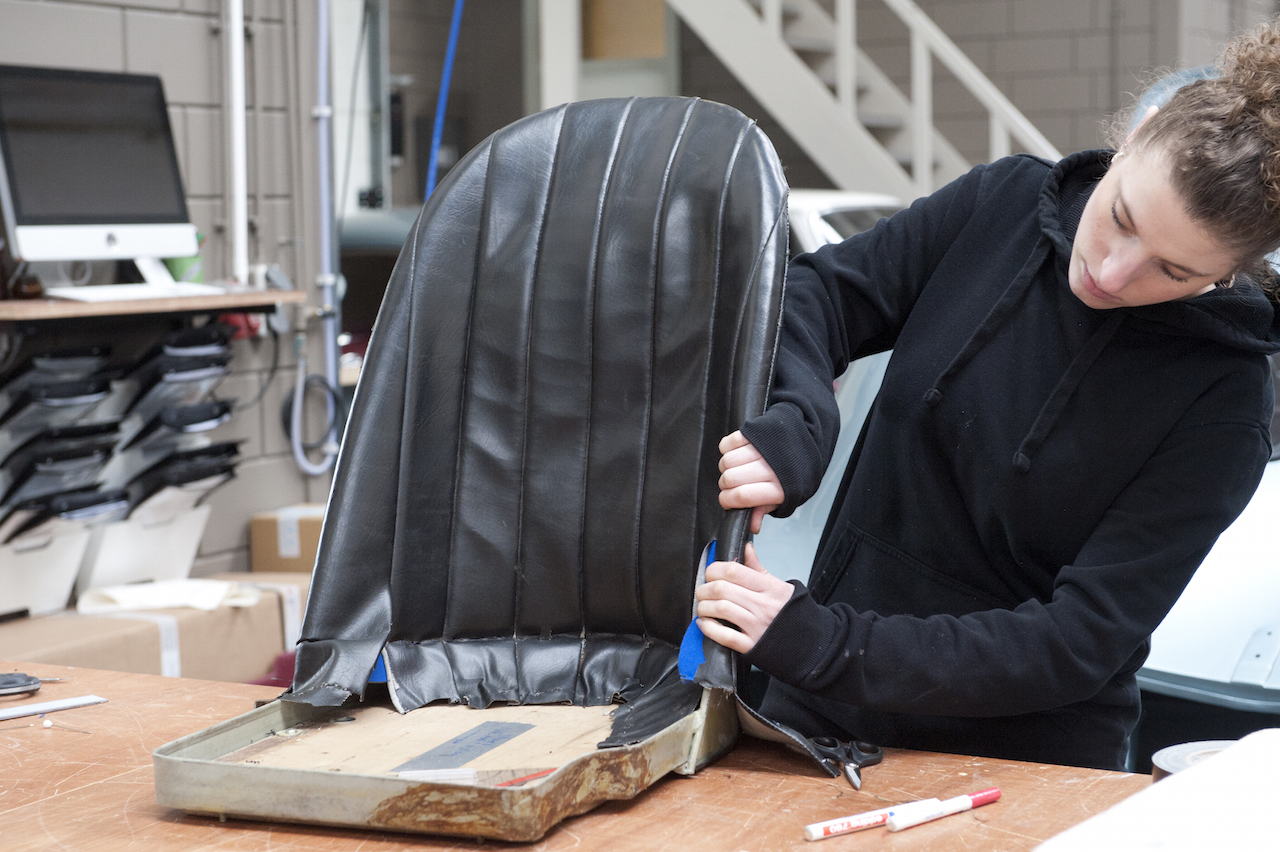
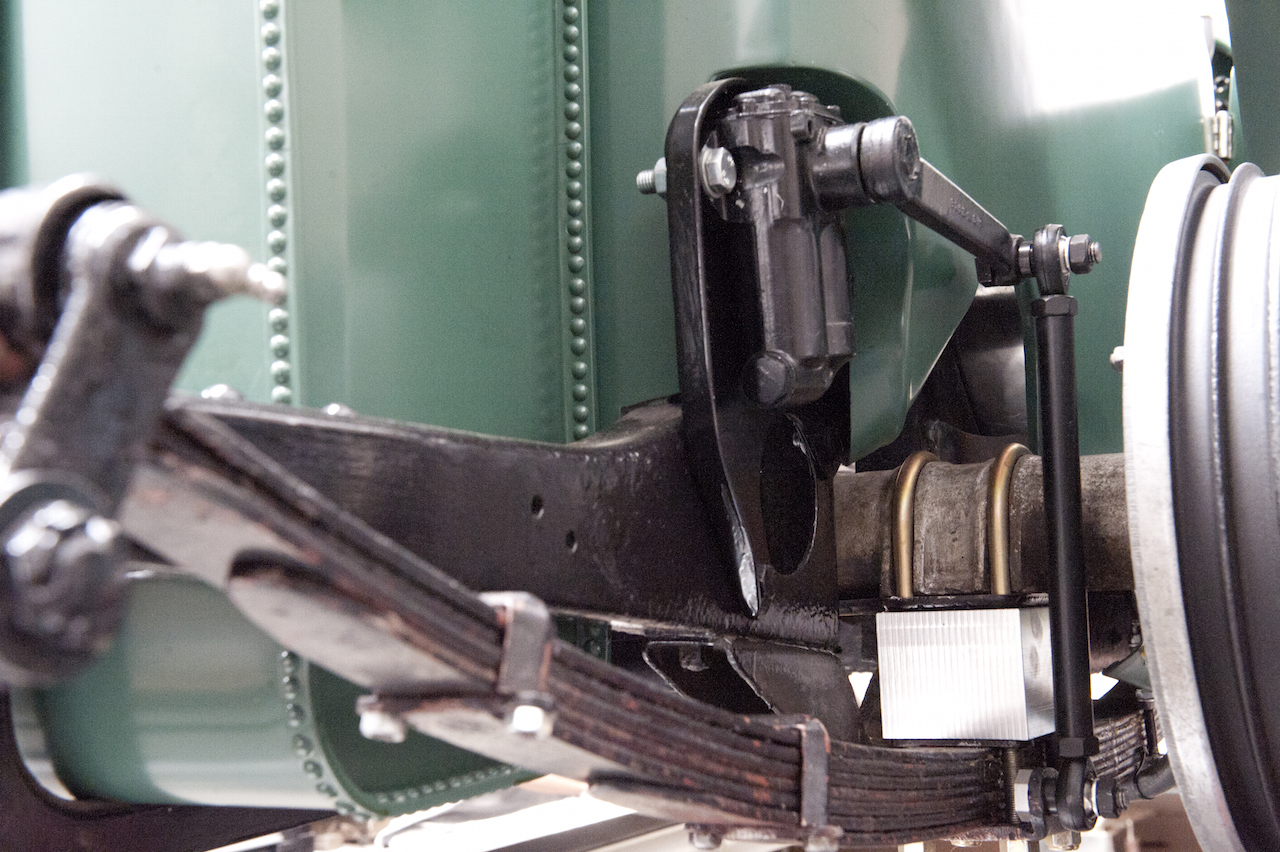
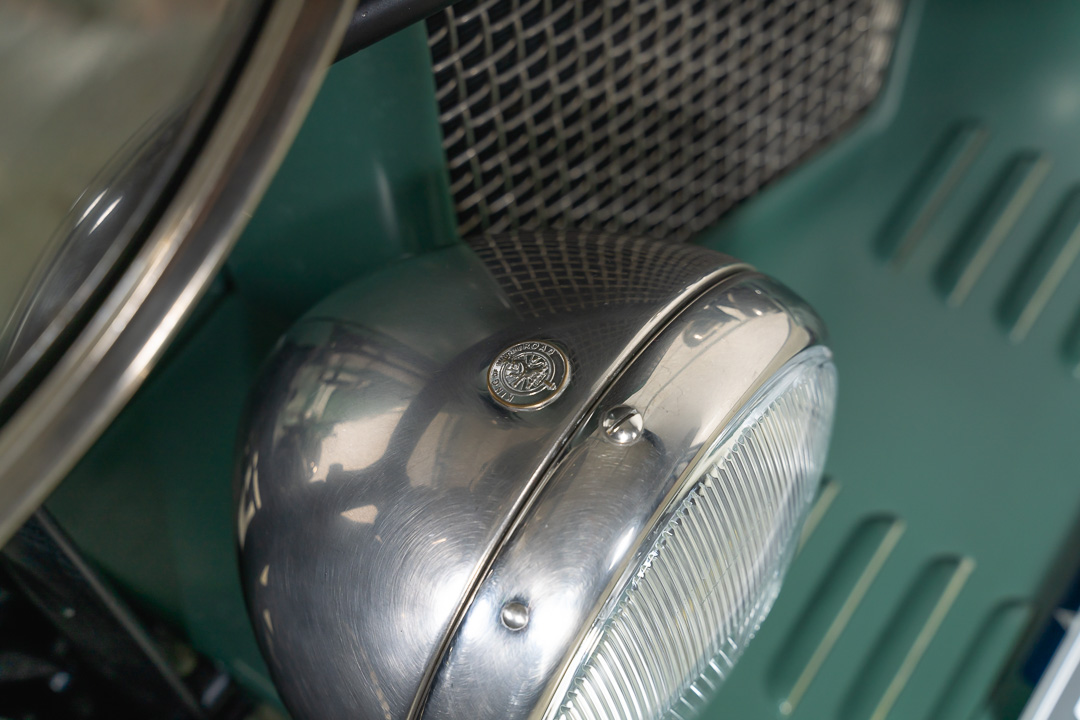
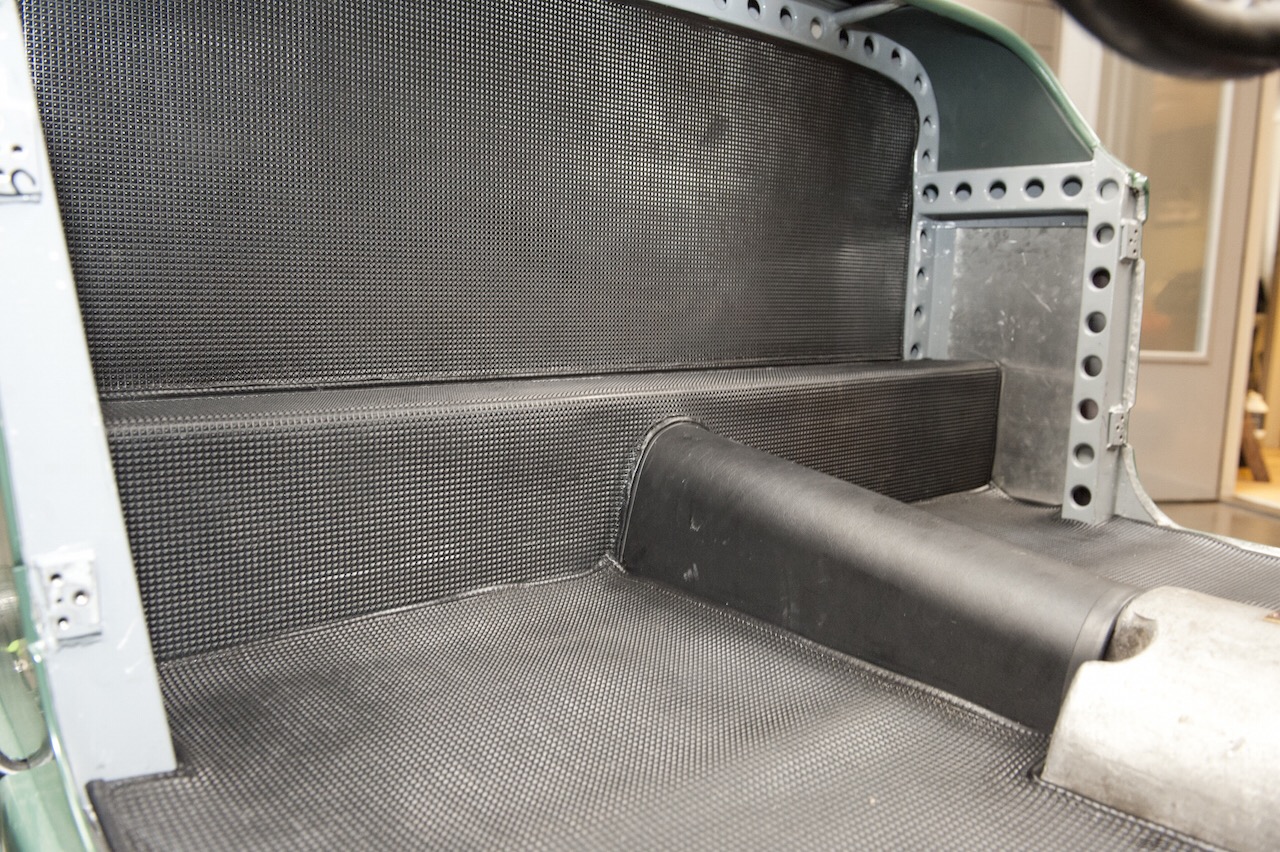
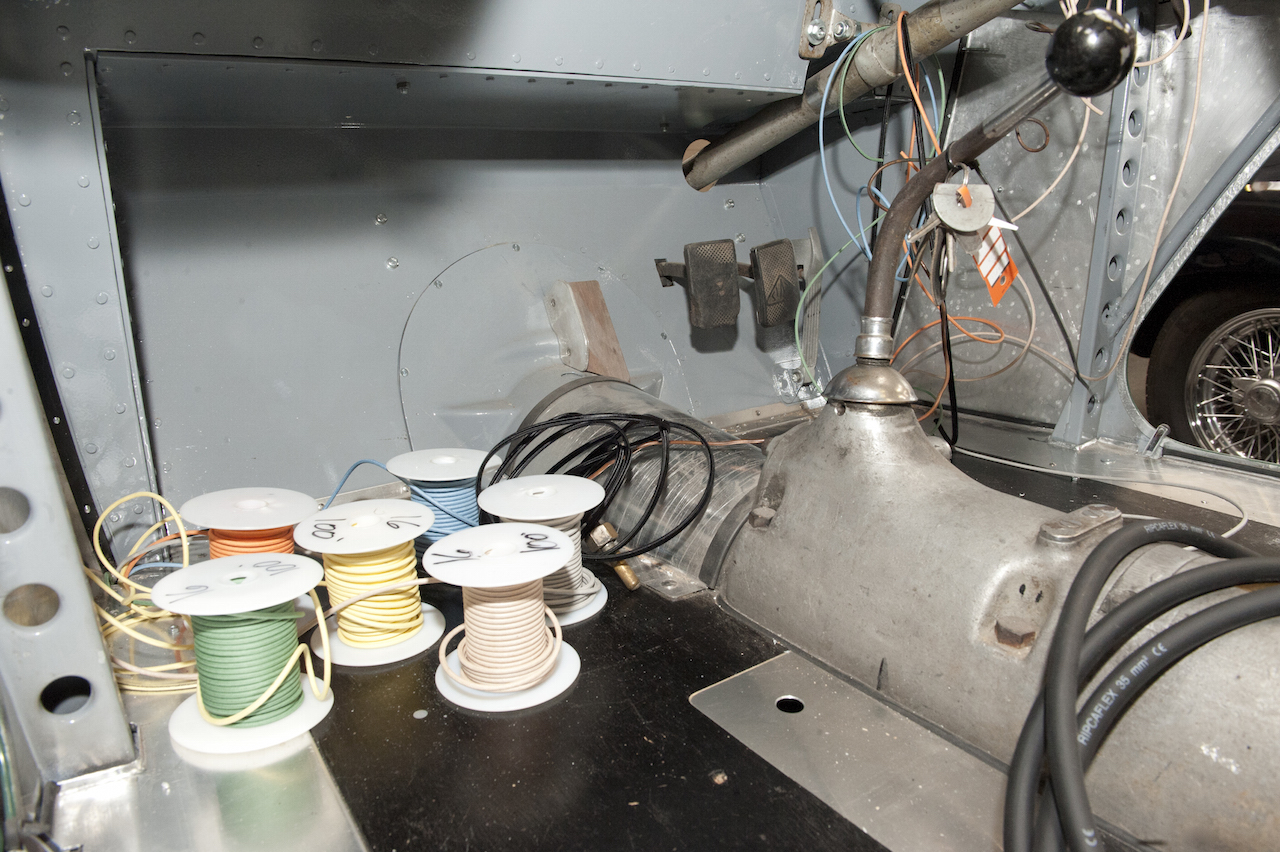
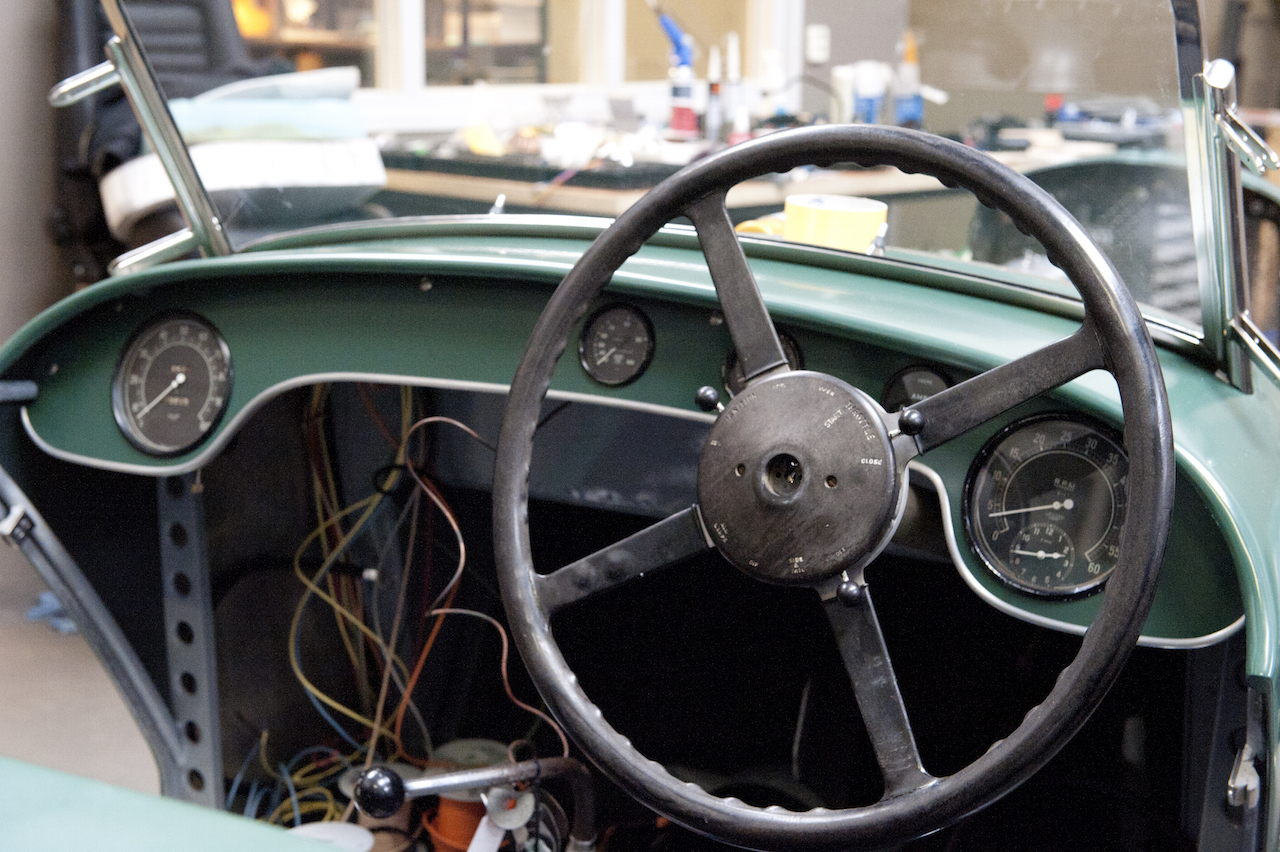
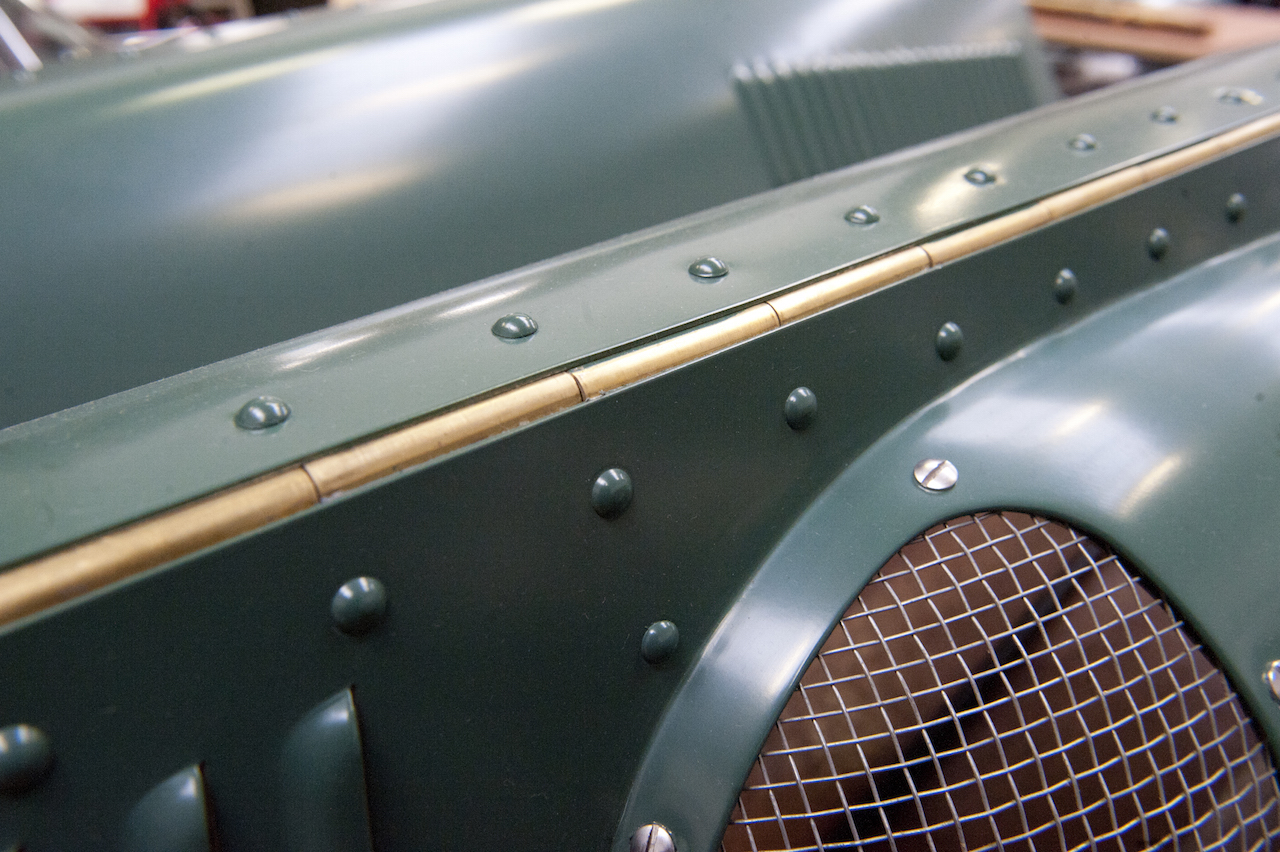
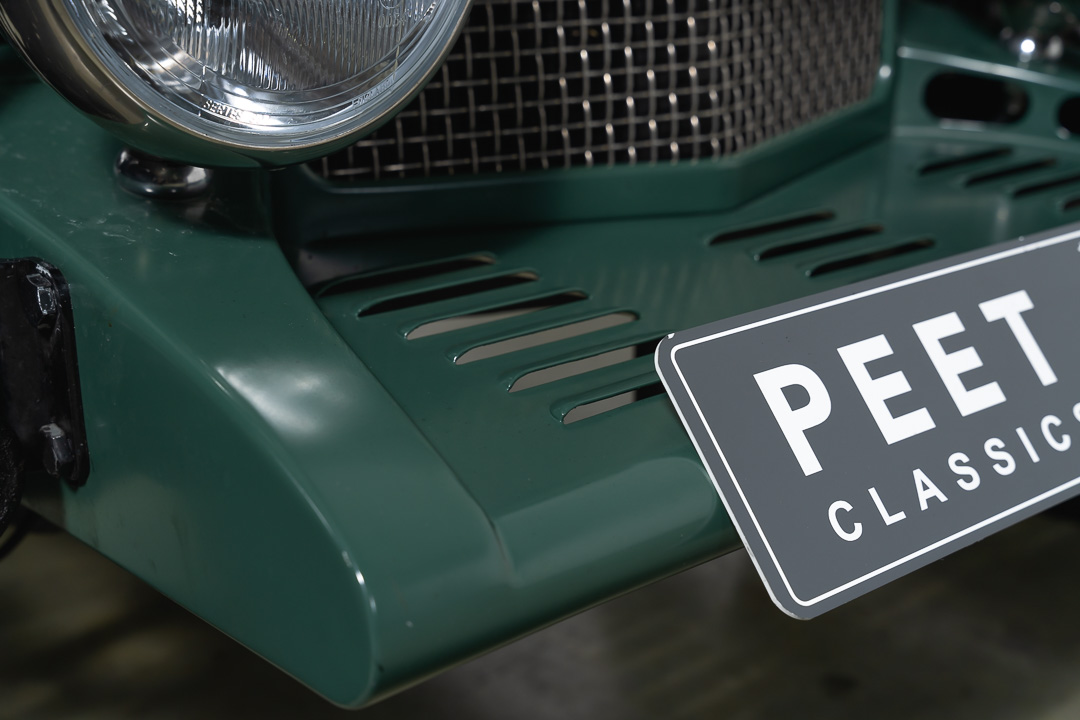
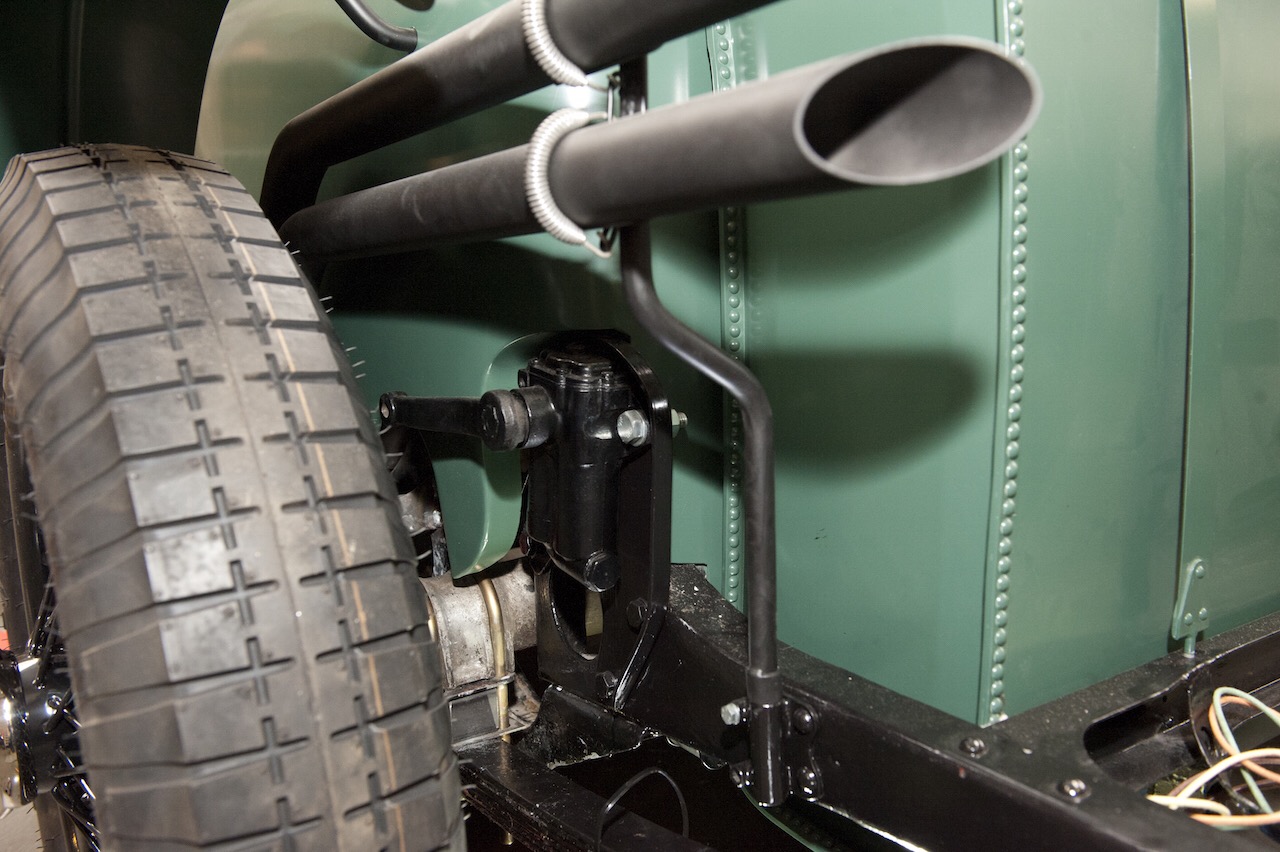
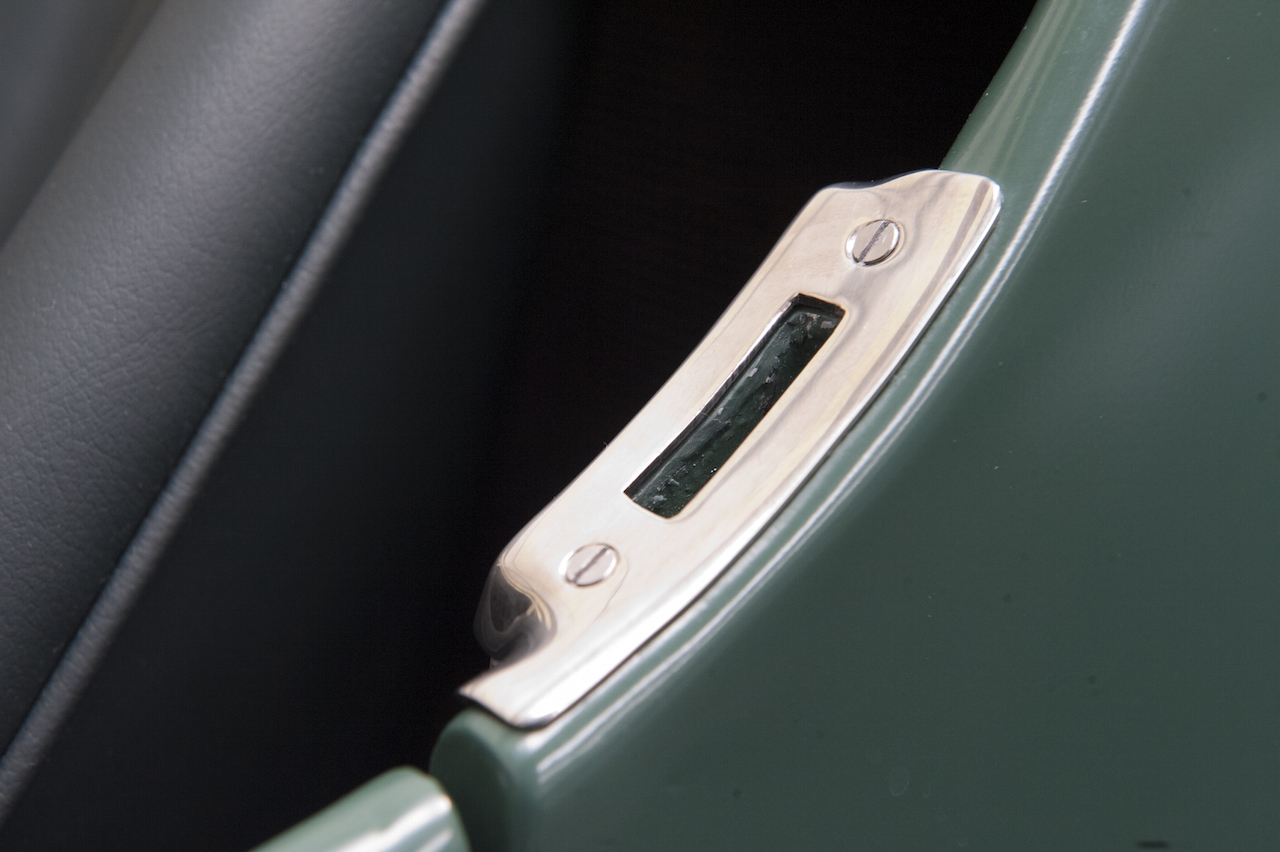
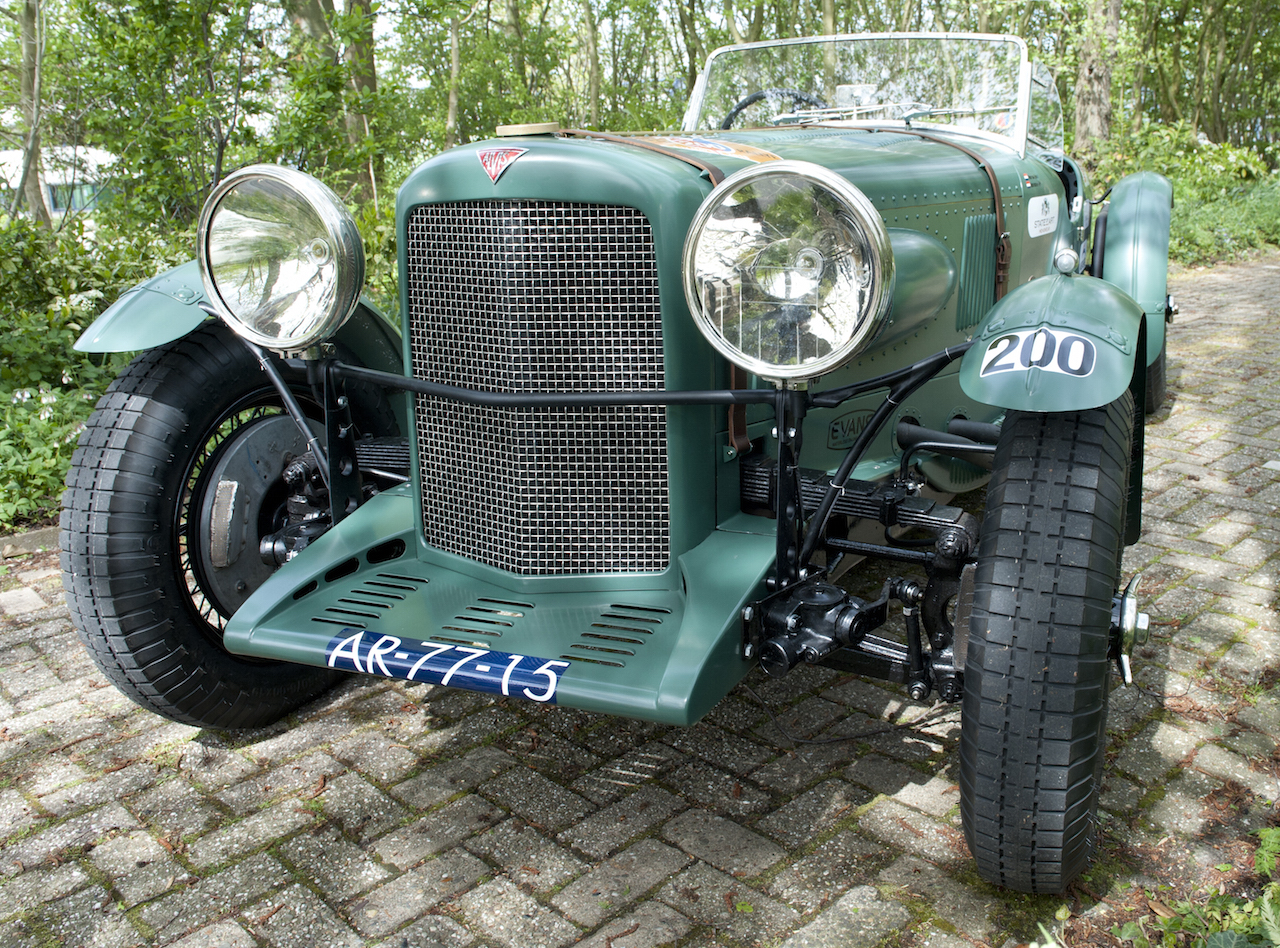
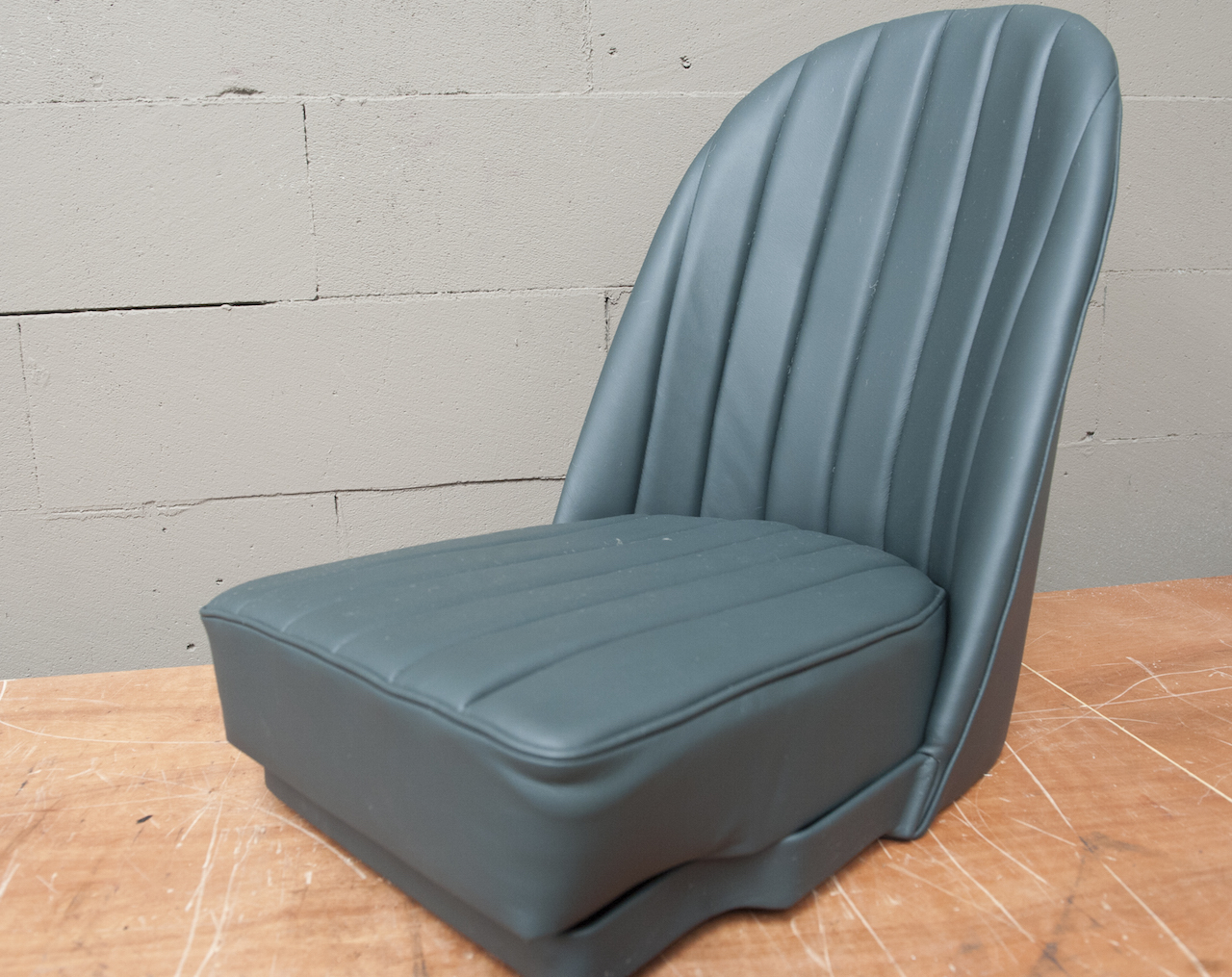
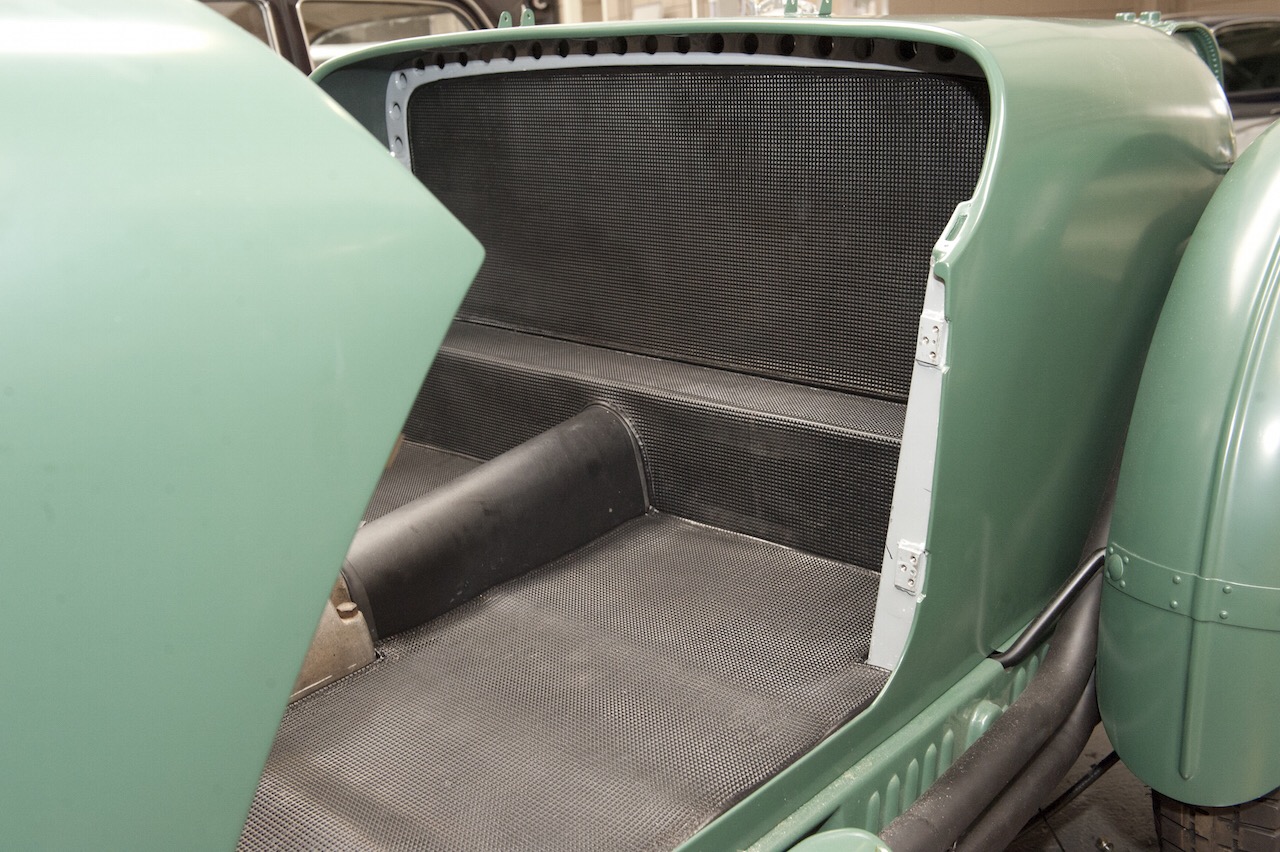
Together with our body builder, Labro, we sat down and devised a body, then had it sprayed in cellulose paint and built it up entirely to the customer’s wishes.
HISTORY OF THE MARQUE:
Alvis built good-quality vehicles, but in small numbers. In 1927 production exceeded 1,000 units for the first time, but then fell back, and it was not until 1939 that the sales record could be improved. In 1925 a front-wheel-drive car was introduced. Front-wheel drive was known in England, but had not previously been used on a production car. The financial crisis of 1929 led to a fall in sales. There was no money for experiments, and the front-wheel-drive cars were only made to order. In 1931 the Speed 20 was introduced. This became the most successful model. The engine had six cylinders and a power output of 87 hp. Six years later came its successor, the Speed 25. The engine had a capacity of 3,571 cc and produced 110 hp. This gave a top speed of 150 km/h. The 4.3 Litre was one of the last pre-war models. It had a six-cylinder petrol engine of 4,387 cc. Alec Issigonis (famous for the Mini) worked for Alvis for a few years in the early 1950s and delivered an interesting design for an engine that could run on either 4 or 8 cylinders. Well-known types were the TG of the 1930s, the Firefly, the TC (in the 1950s, on the basis of which Graber in Switzerland, among others, built bodies) and the TD of the 1960s. Alvis’s car division almost always ran at a loss. This division was sold to Rover in 1965, just before Rover was absorbed into British Leyland. Rover developed one more prototype of a sports car that could have been brought to market as an Alvis, but it never got beyond a prototype.