
Aston Martin DB2
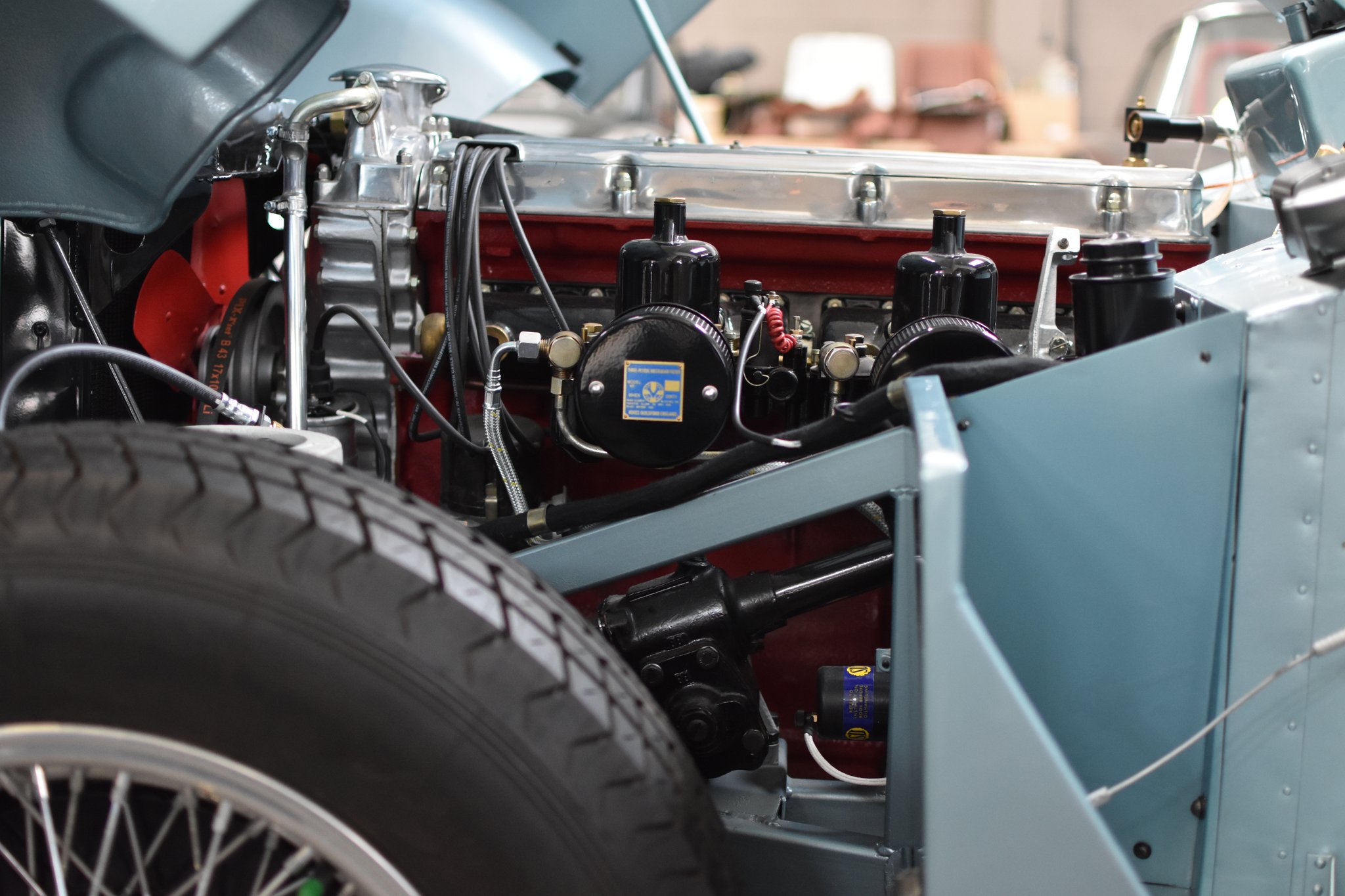
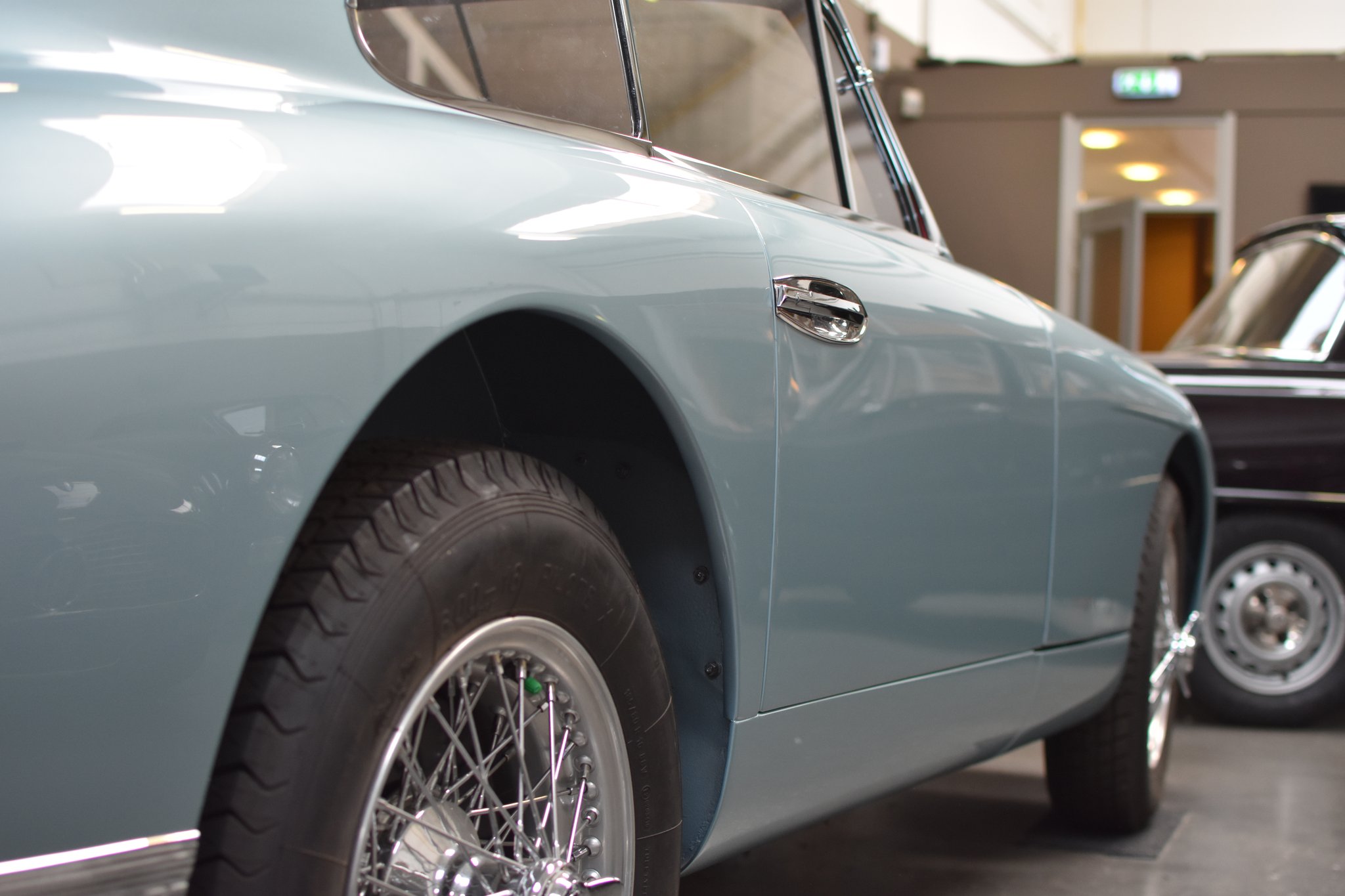
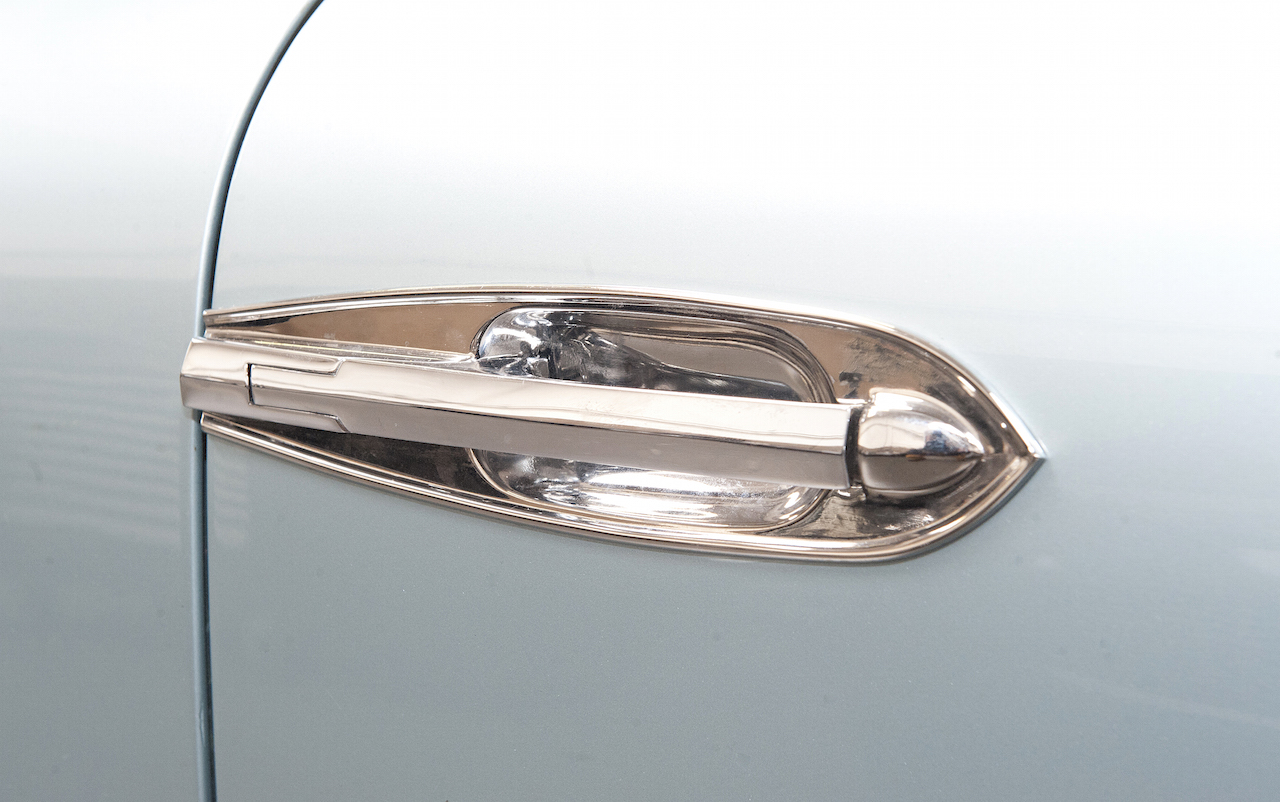
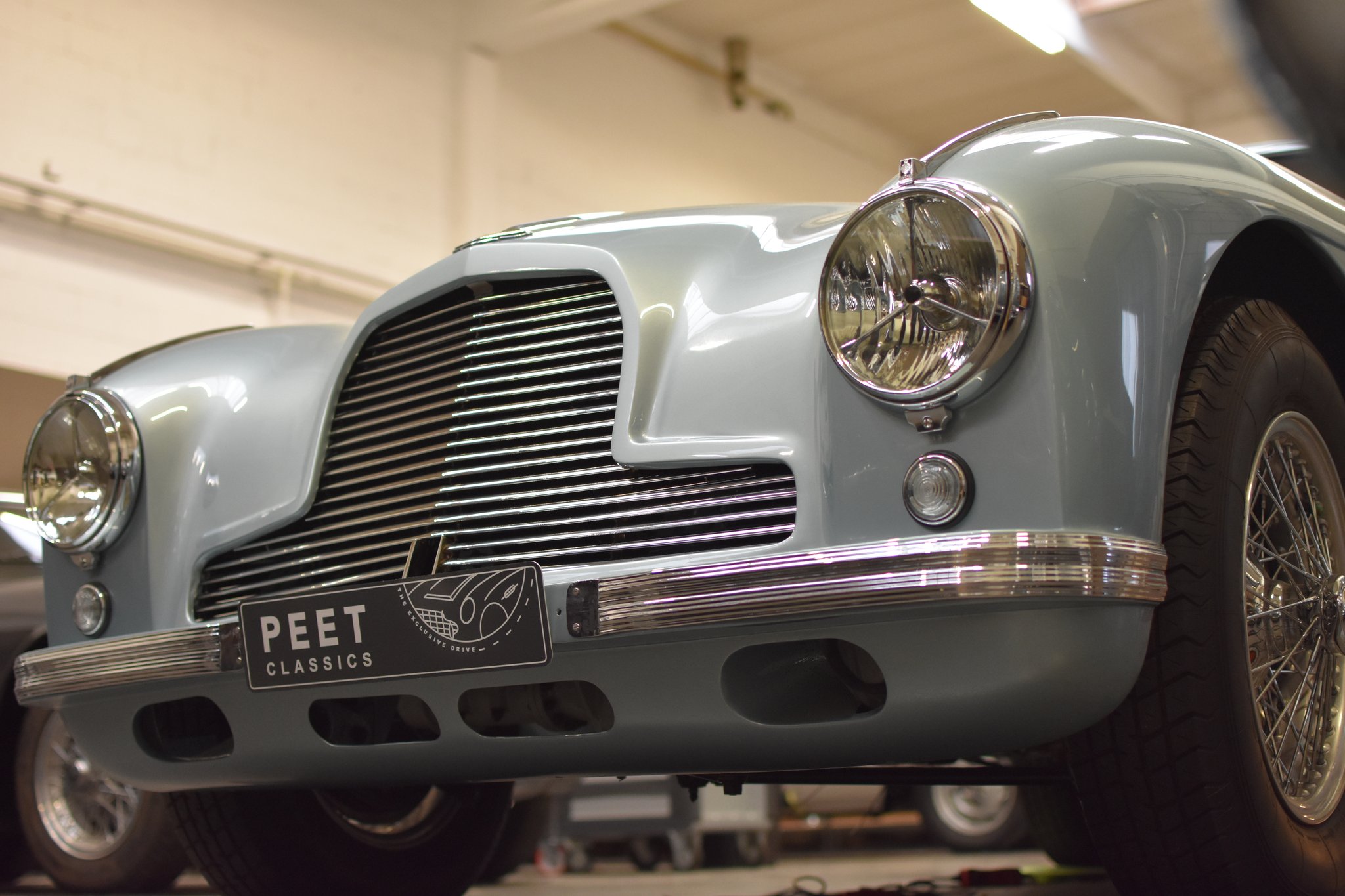
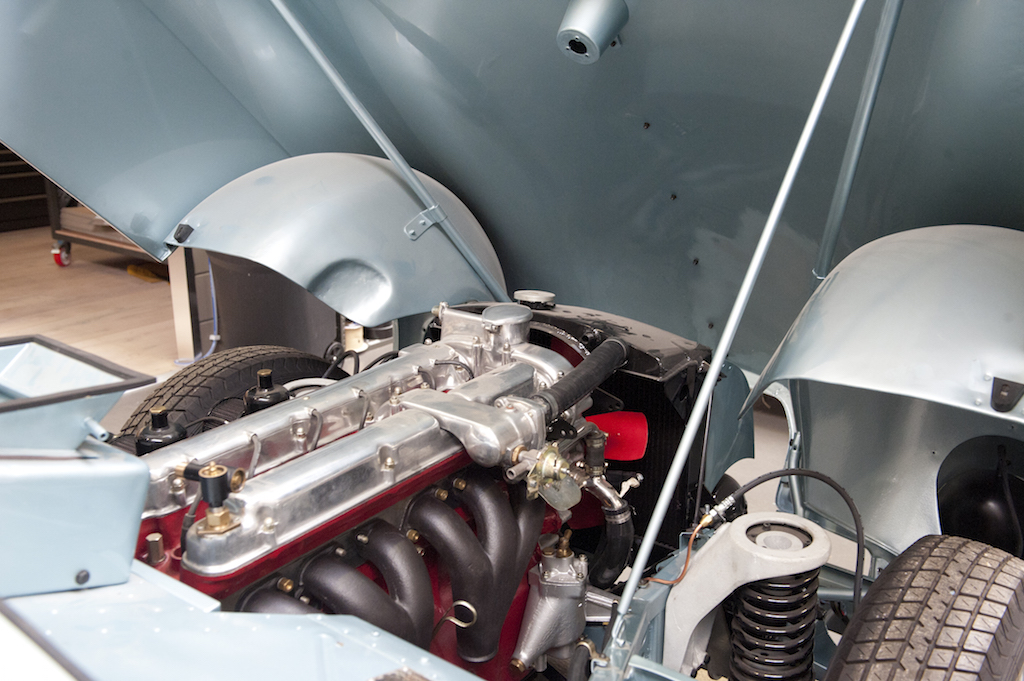
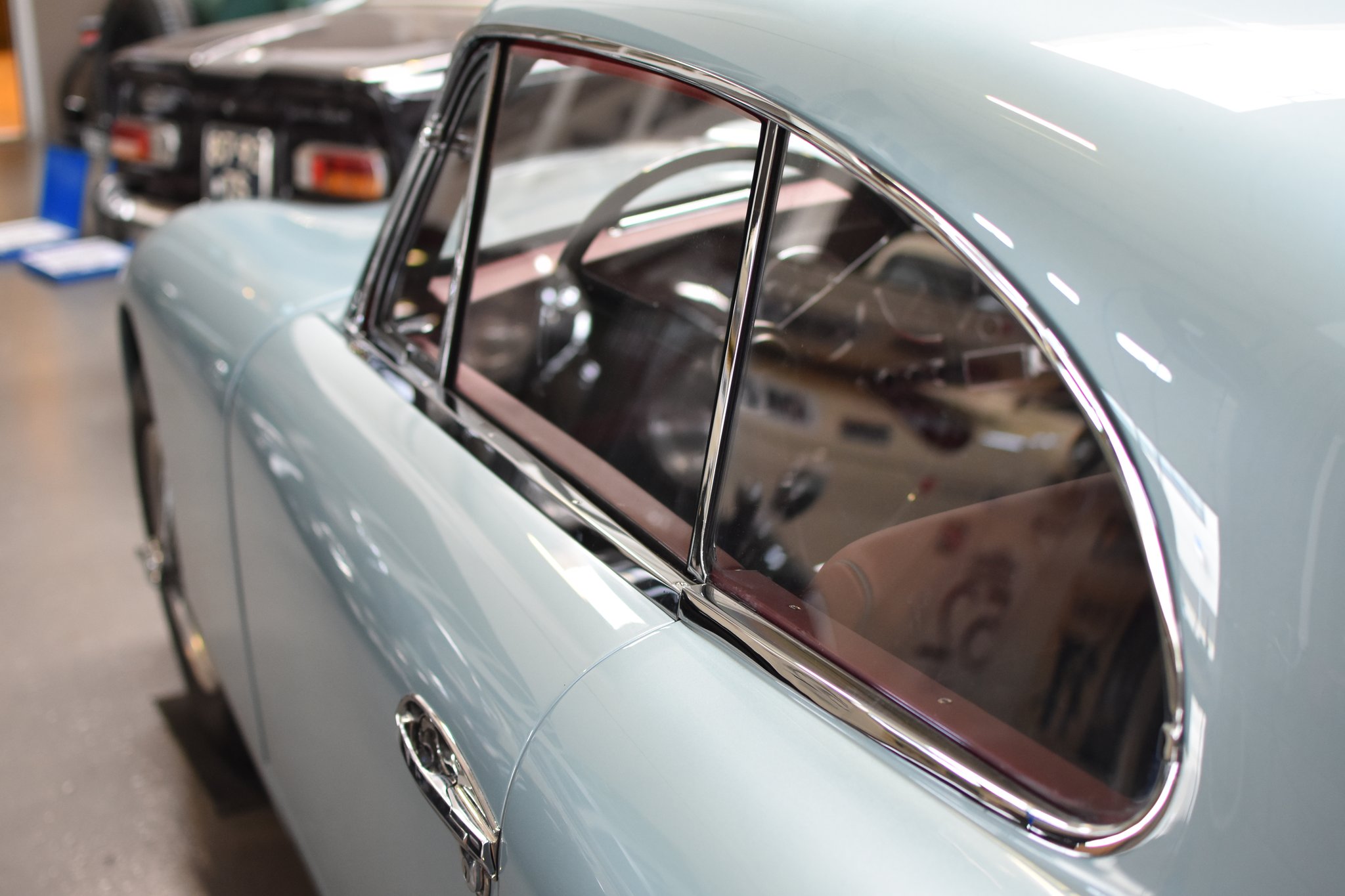
We fully restored this Aston Martin DB2. The car was stripped down to the chassis and rebuilt from the ground up: bodywork, paintwork in a fine light-blue shade, re-chromed brightwork and an overhauled engine finished down to the last detail. A complete restoration to a very high standard.
History:
Engineer Robert Bamford and Lionel Martin began building cars in 1914, after the two men had decided a year earlier to sell cars of the Singer marque together. The first car was a 1400 cc racer built on an Isotta Fraschini chassis. The name Aston Martin arose from a victory by Lionel Martin at the ‘Aston Clinton Hillclimb’ near the village of Aston Clinton. The first registered car was built in 1915 at the workshop on Abingdon Road in Kensington.
During the First World War, production at Aston Martin came to a halt. After the war, Aston Martin was revived by Count Louis Zborowski. In 1920, however, Bamford stepped down, after which Aston Martin built racing cars in 1922 to compete in the French Grand Prix. World speed and endurance records were also broken at Brooklands, but production models would take a few more years to arrive.
In 1924 Lionel Martin left and the marque went bankrupt, after which a number of wealthy investors took it over under the name Renwick and Bertelli. Under the leadership of Lord Charnwood, Aston Martin Motors was moved to Feltham. In 1927 a 10HP was presented. During this period the marque enjoyed some successes at, among others, Le Mans and the Ulster. In 1931, following liquidity problems, the marque was taken over by Lance Prideaux-Brune and R. Gordon Sutherland. In 1936 these new owners decided to concentrate on producing cars intended for normal road use.
After a dormant existence during the Second World War, Aston Martin was taken over in 1947 by Sir David Brown, a tractor manufacturer (David Brown Limited). A year after the takeover, Brown acquired the Lagonda marque and merged it, legally and physically, with Aston Martin. In 1954 Brown bought premises on Tickford Street in Newport Pagnell, which — with the DB1 at the outset — ushered in the now-classic series of cars bearing the name DB (the initials of David Brown). After the DB1 and DB2, the DB3 racing car was introduced in 1957.
Project information:
This Aston Martin has already undergone a long, intensive restoration. We are now putting the finishing touches to this fantastic car.
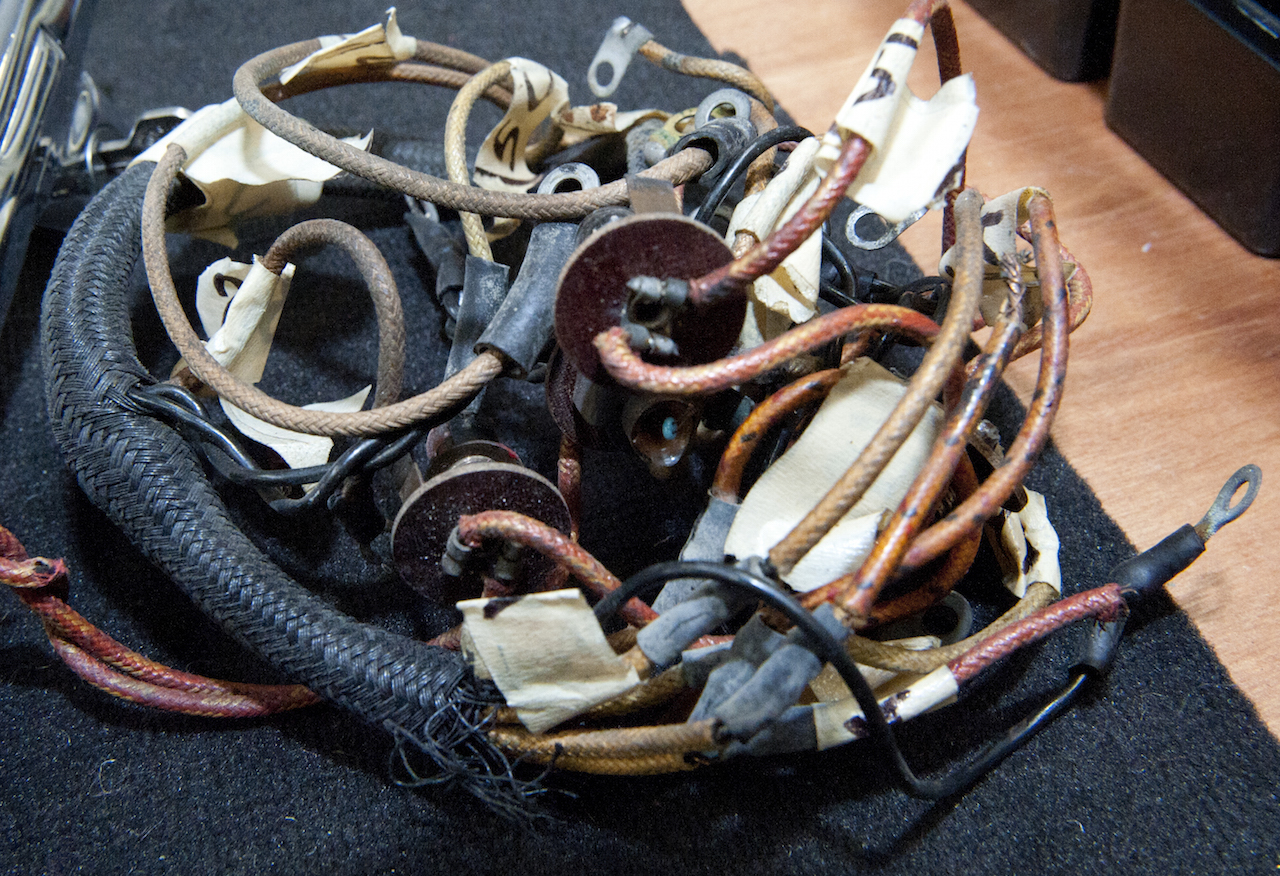
The great challenge with this car was tracking down all the missing parts, given that it was dismantled in the distant past and had passed through several owners along the way. The current owner essentially bought a body with a few boxes of parts — fortunately the body, engine and gearbox were matching numbers.
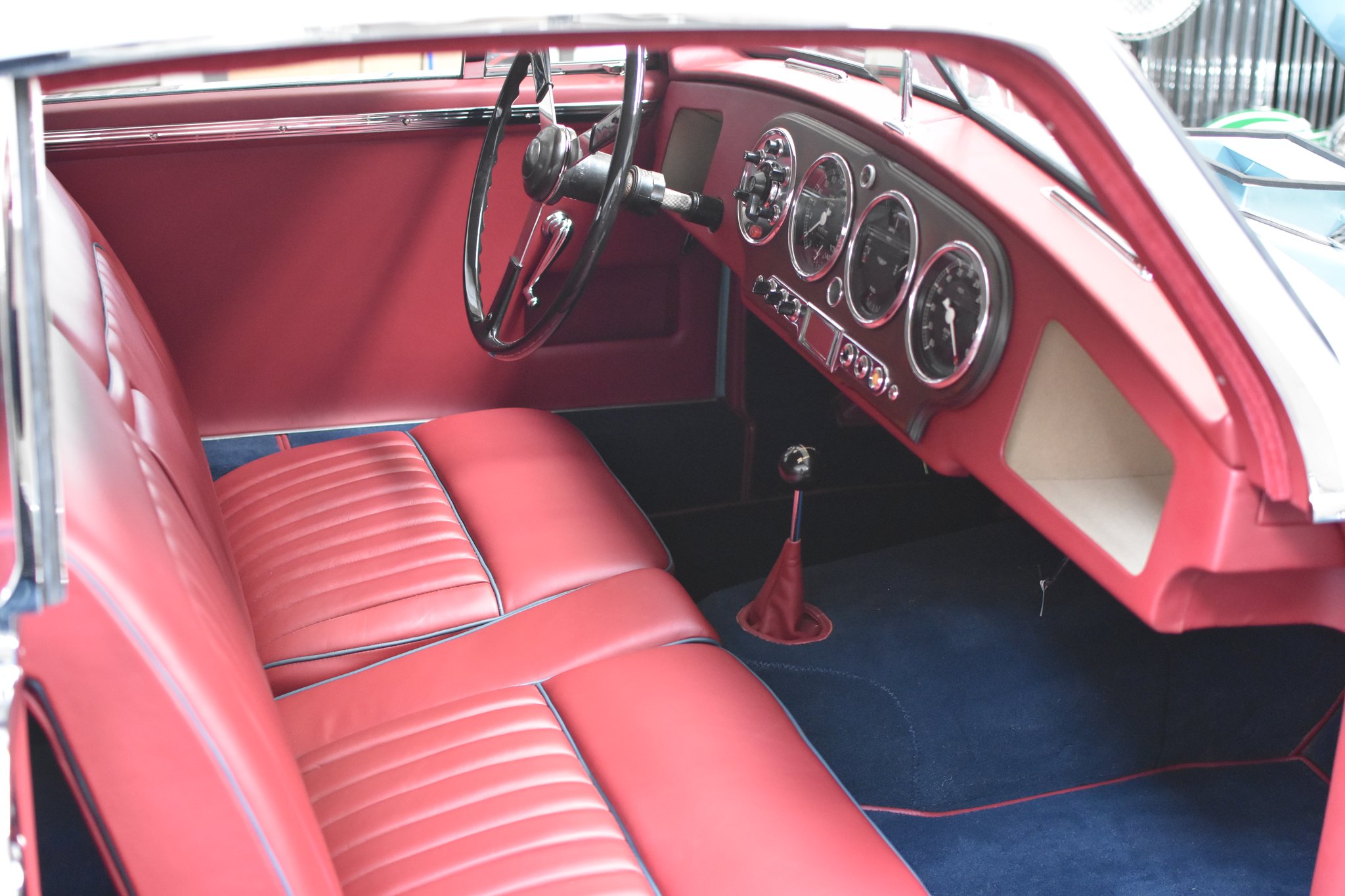
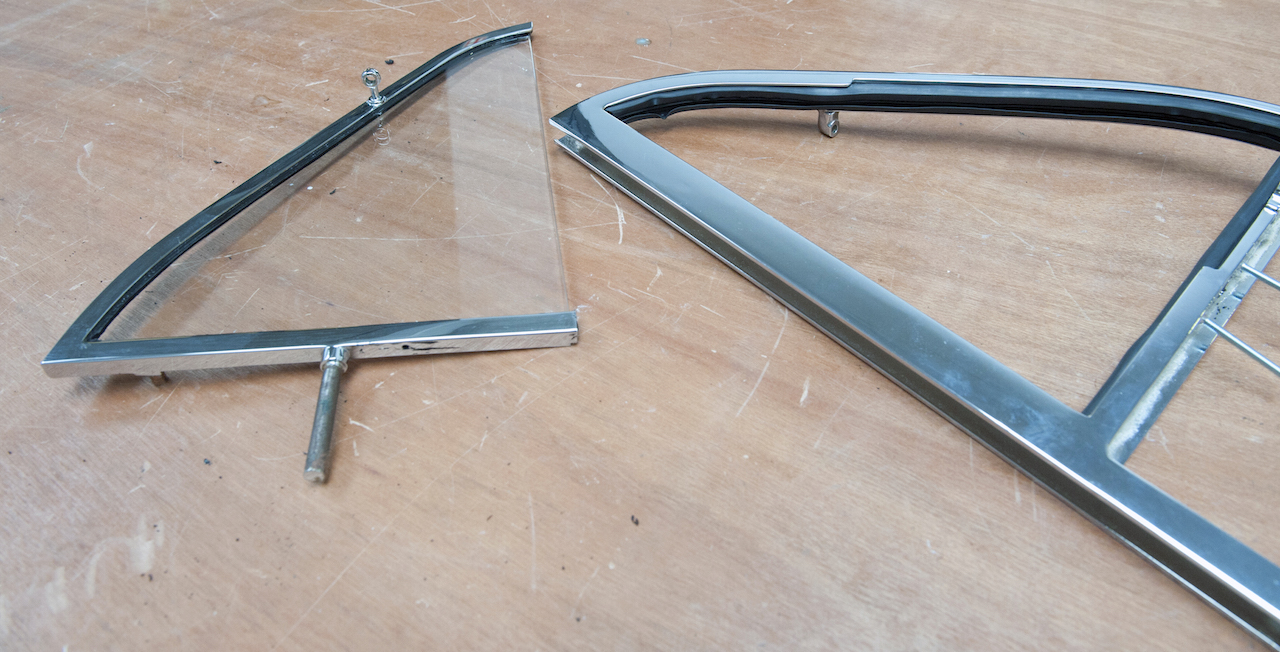
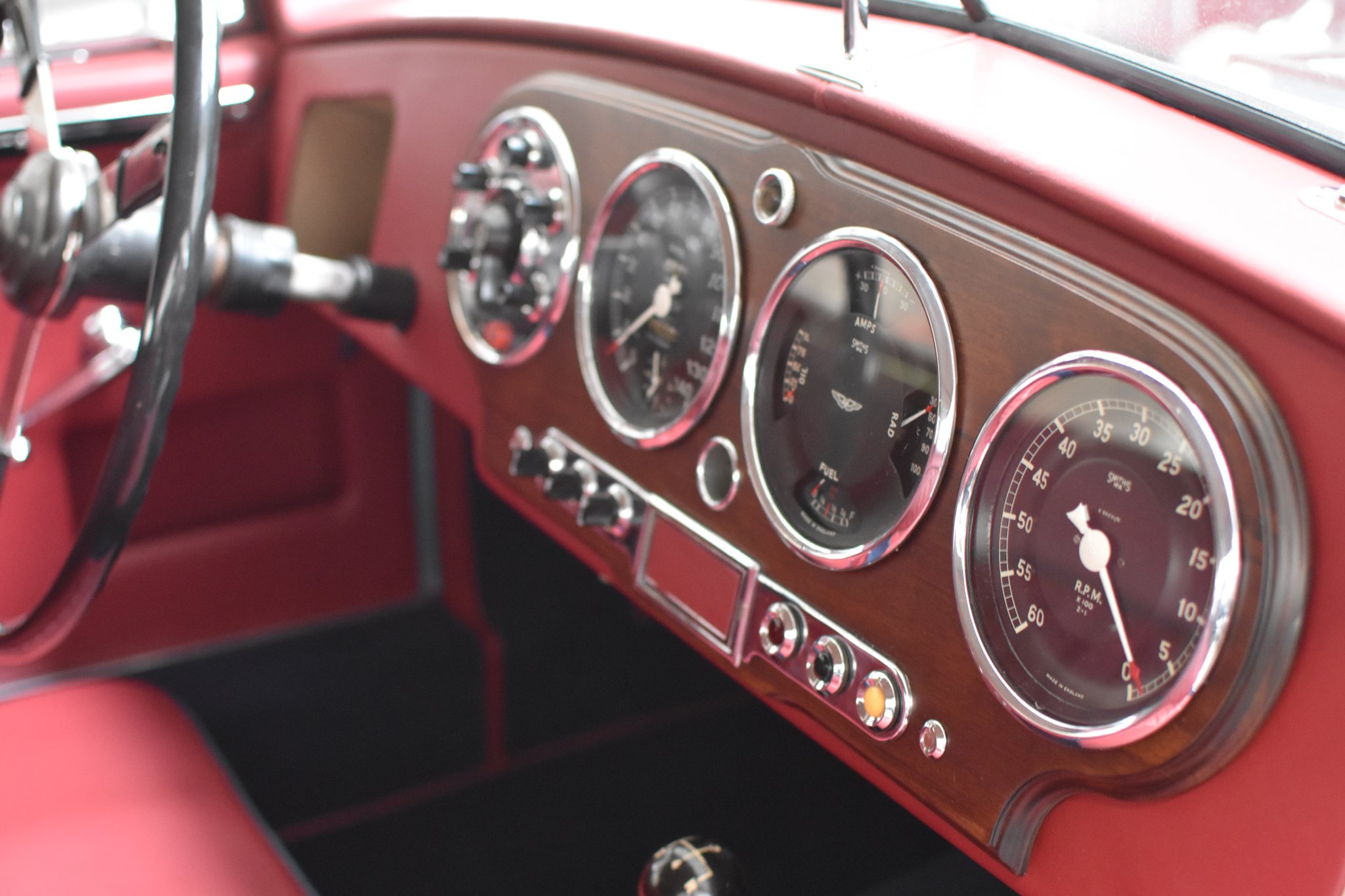
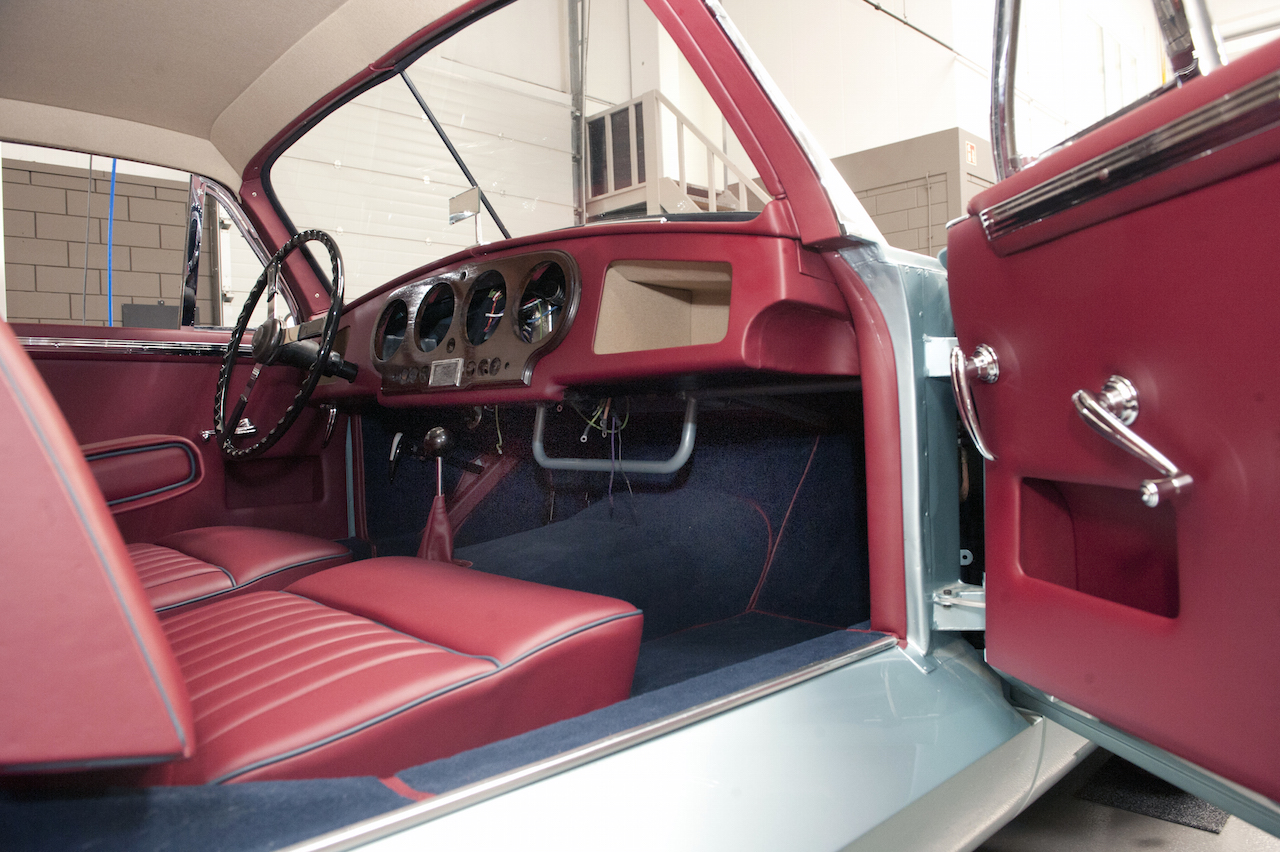
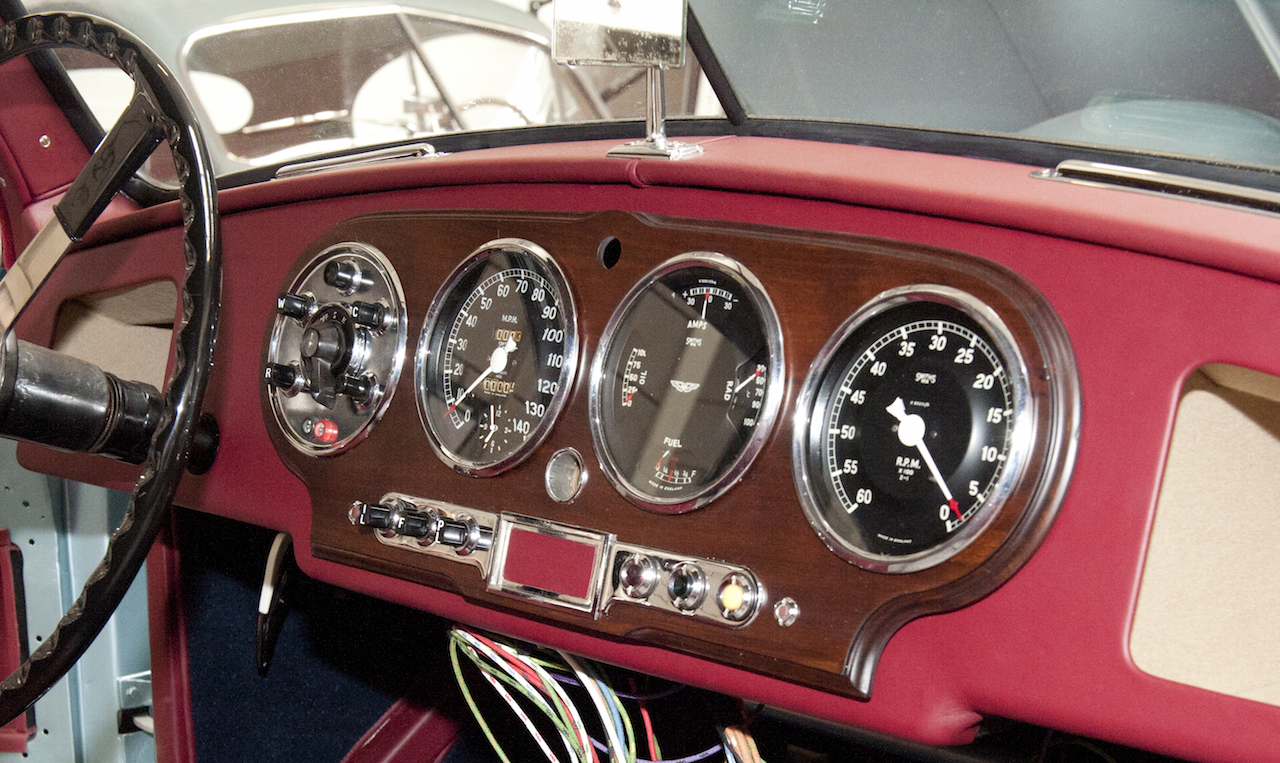
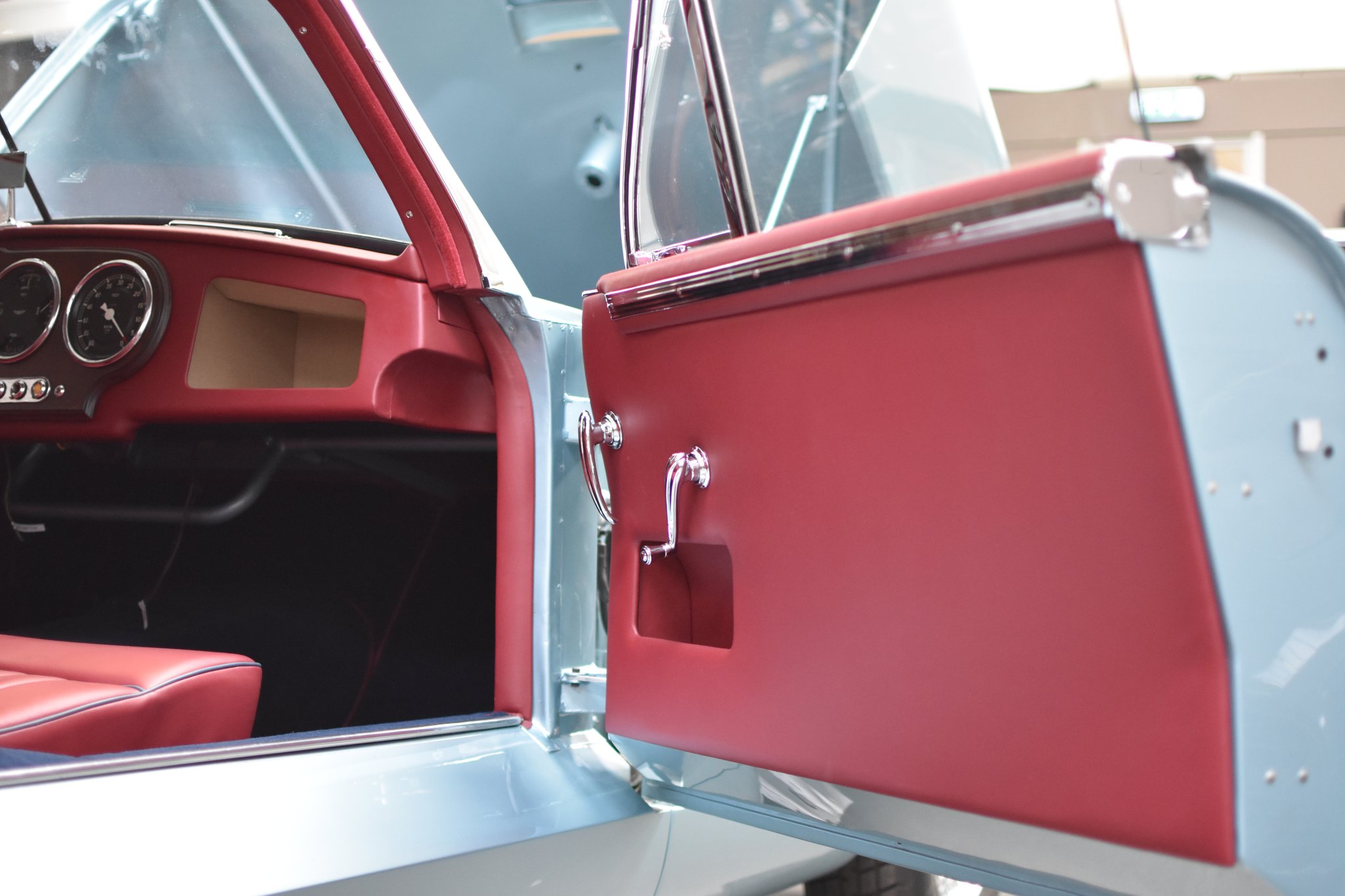
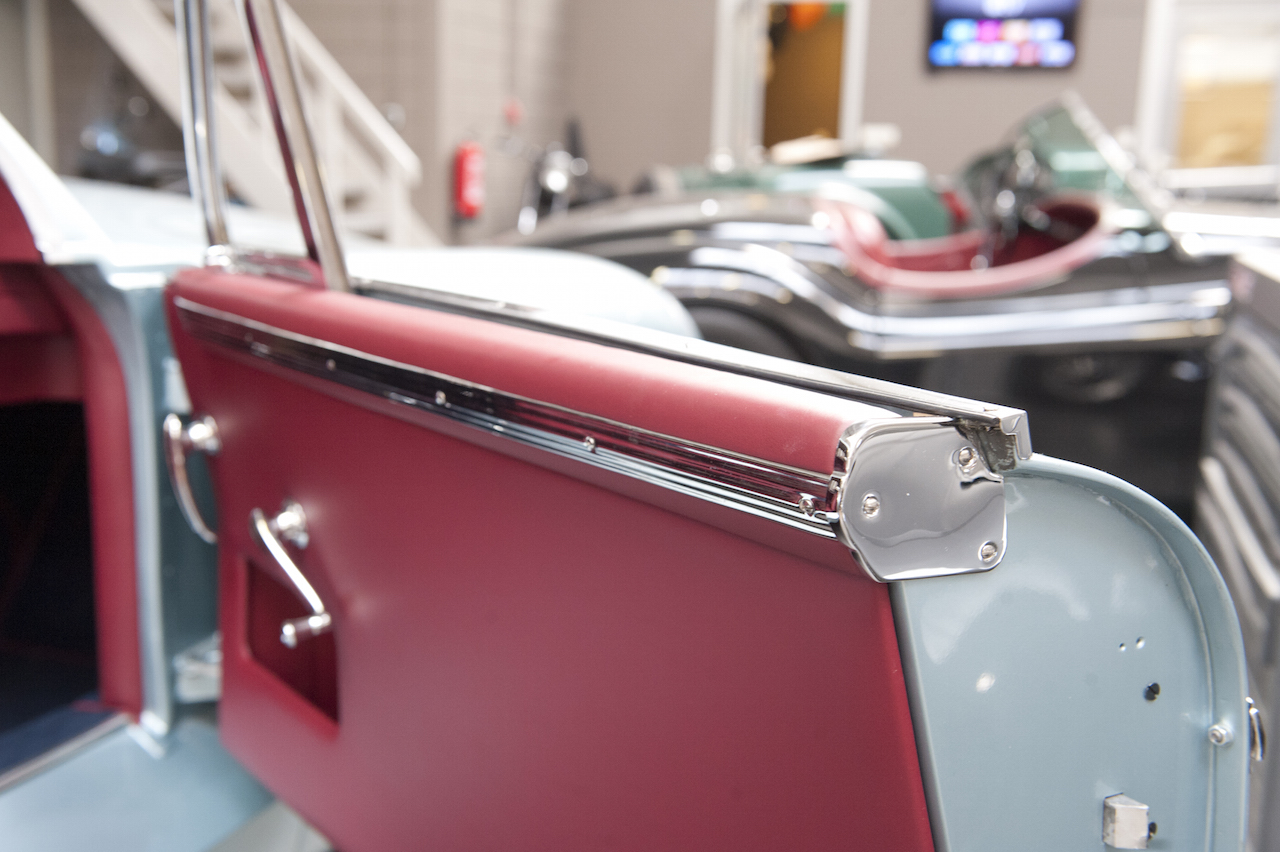
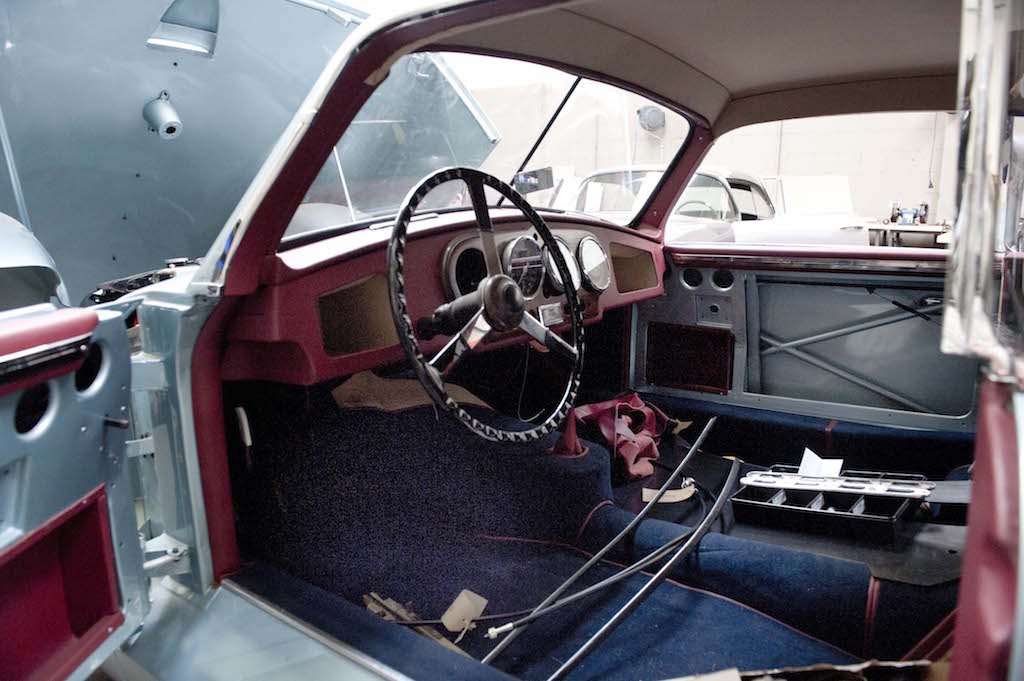
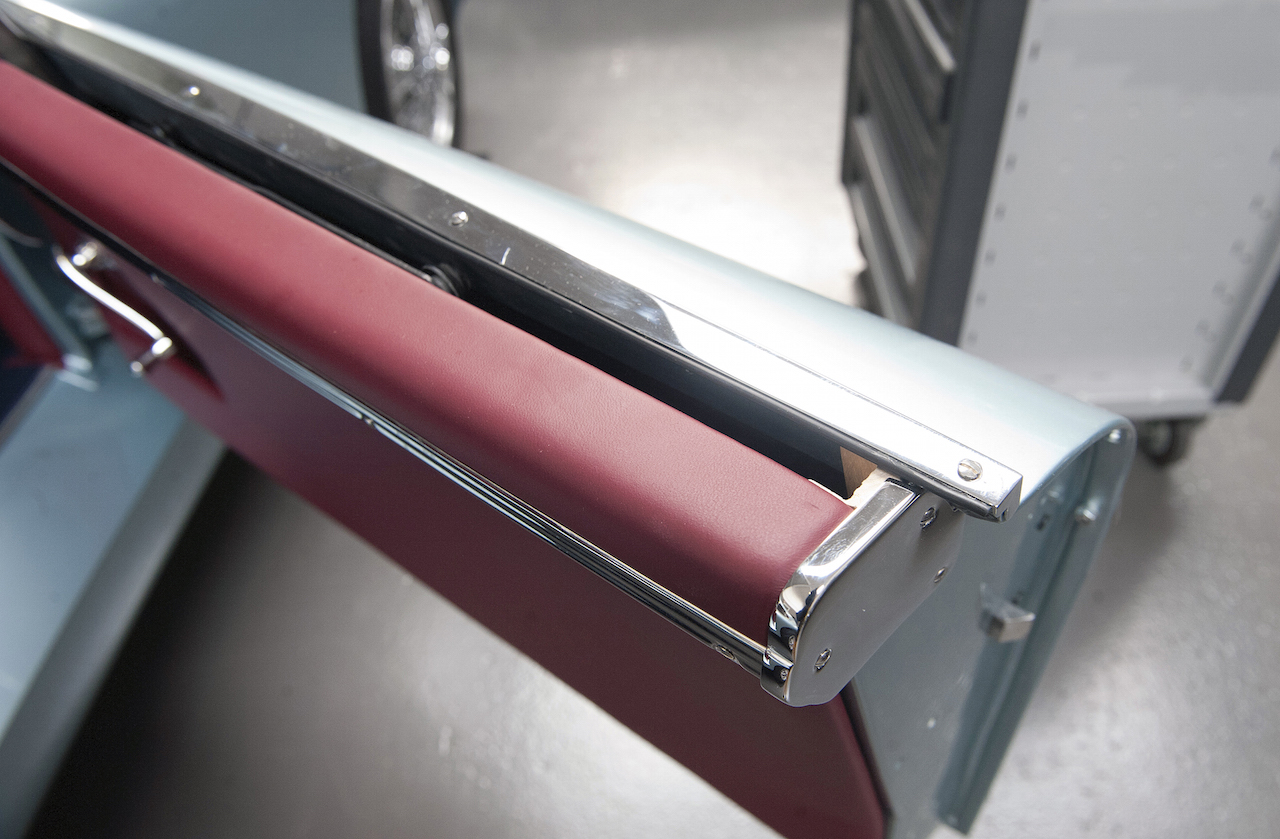
For this car we made the entire interior to measure, including making the dashboard, the seats and all the wooden parts in the door pillars and the like; we also made new windows and various missing chrome parts and had them chrome-plated.