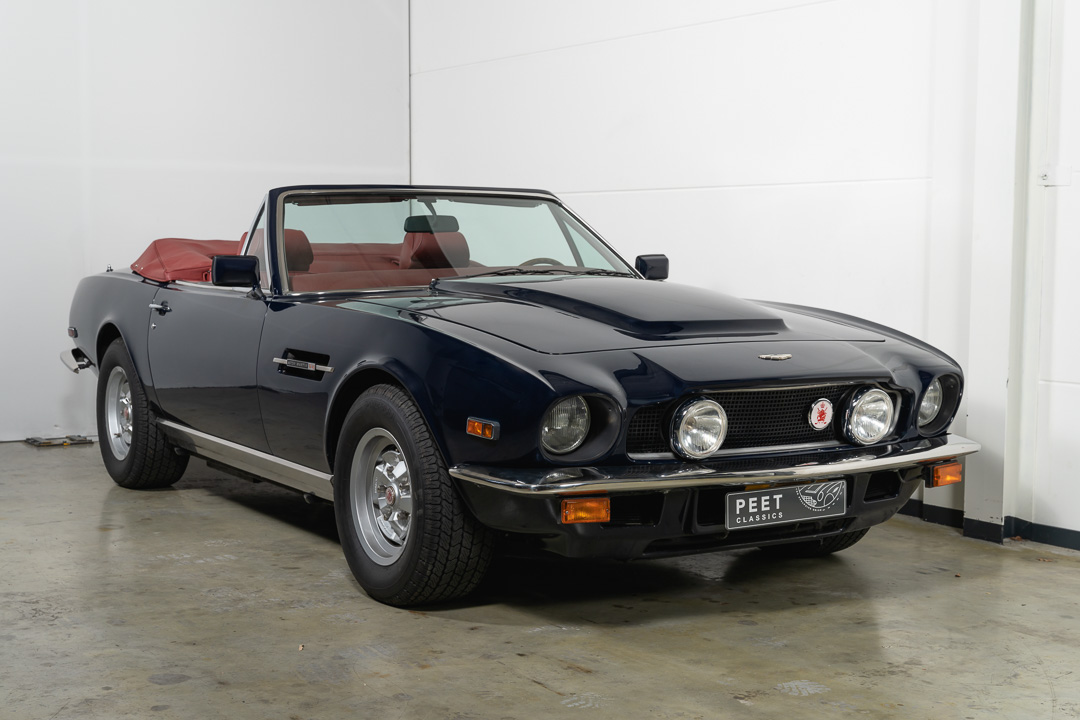
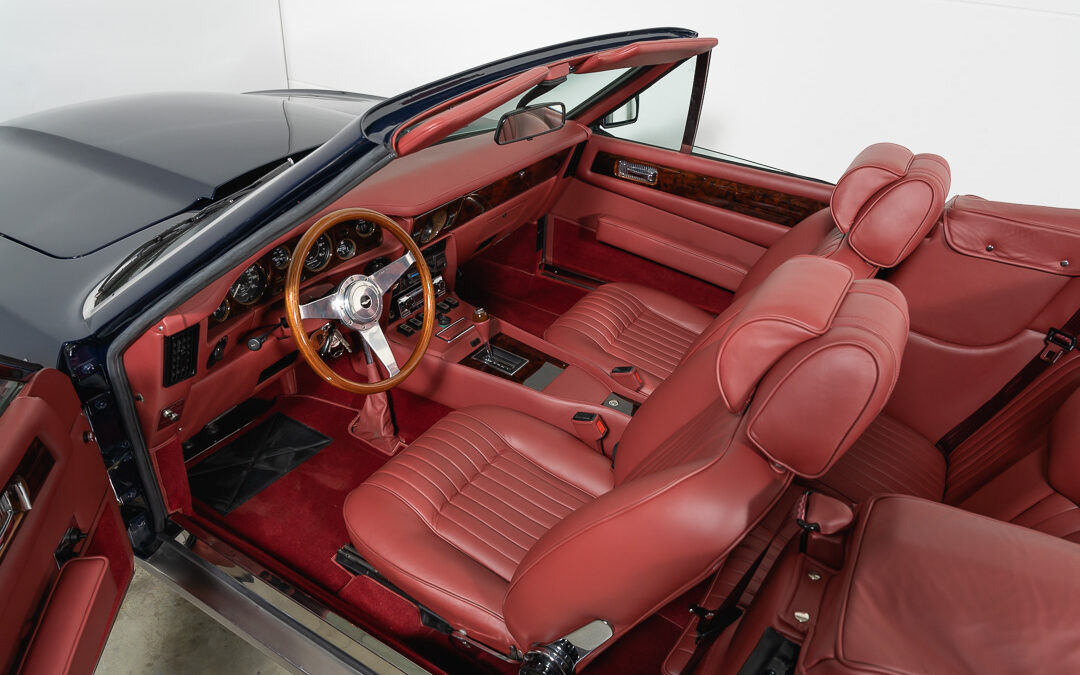
Aston Martin V8 Volante
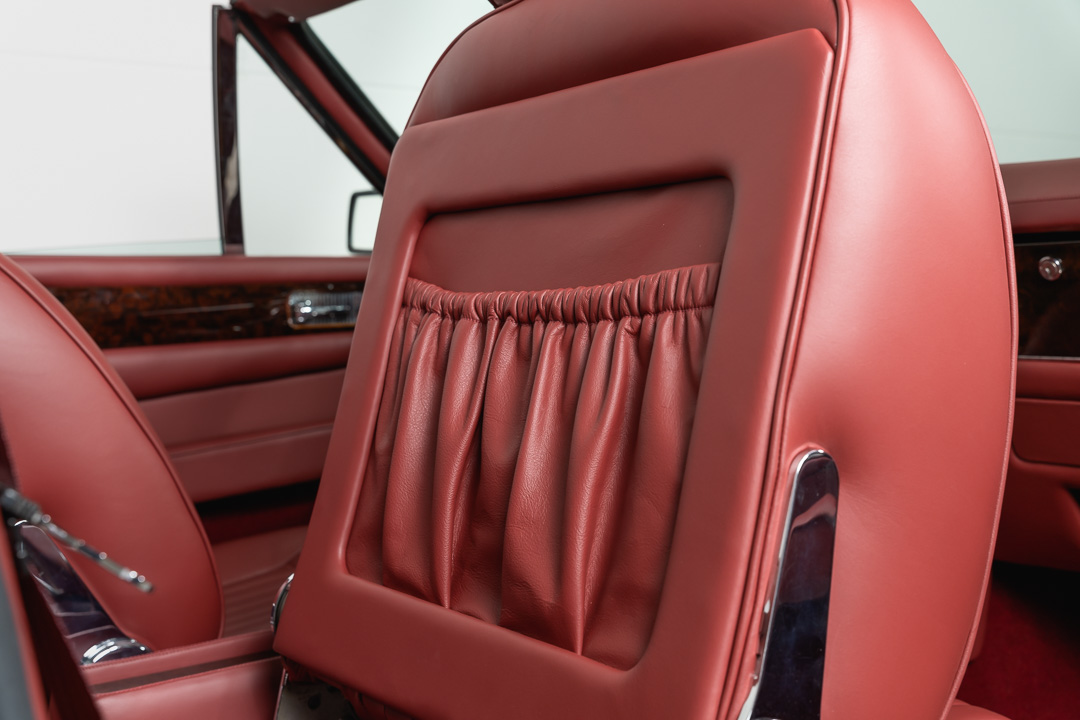
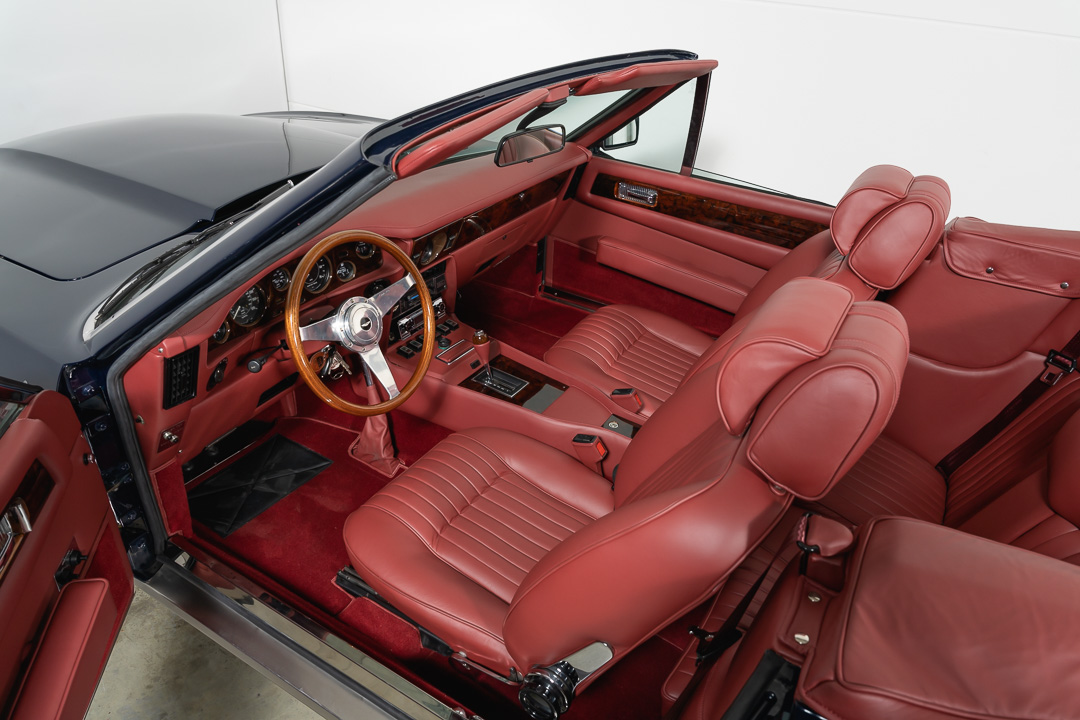
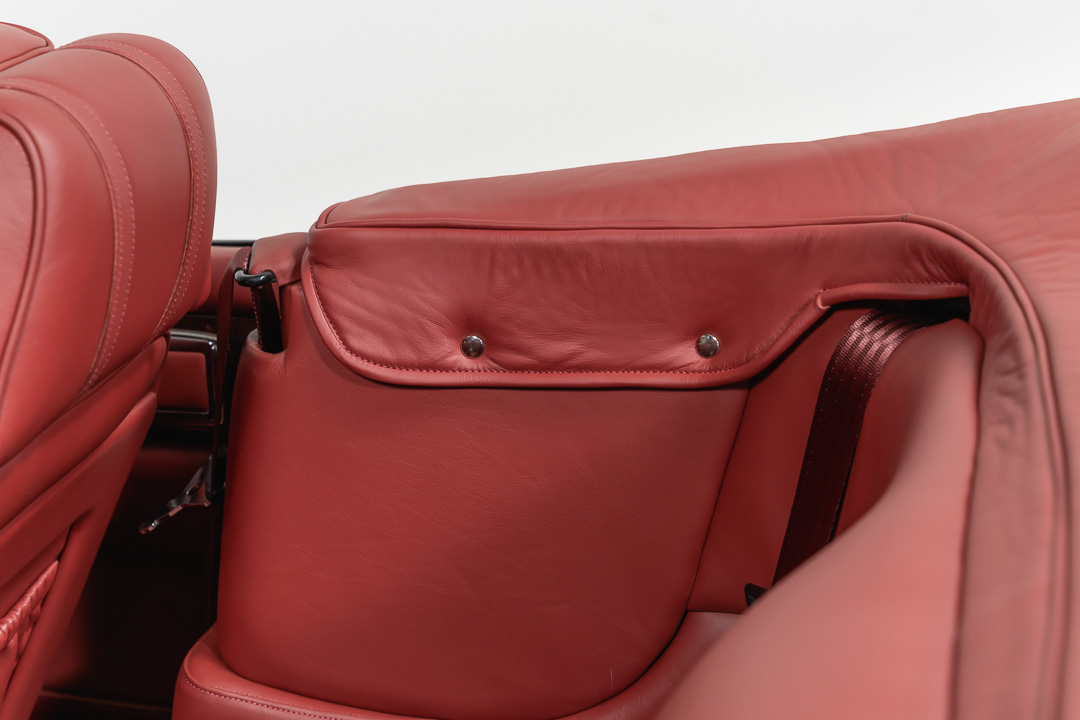
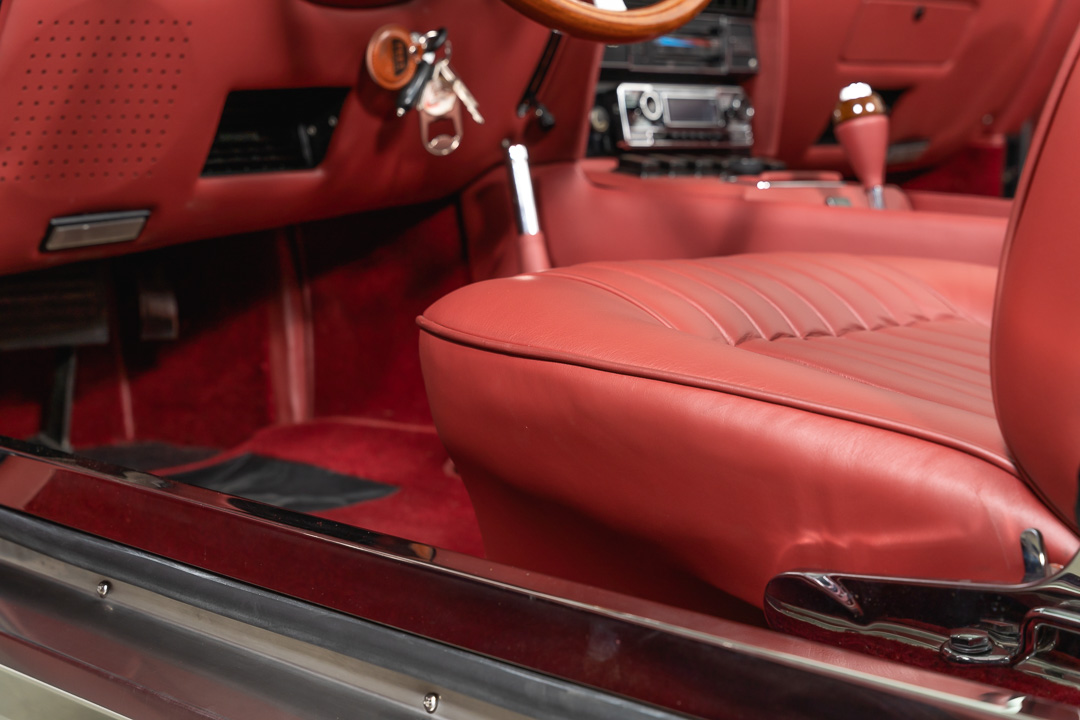
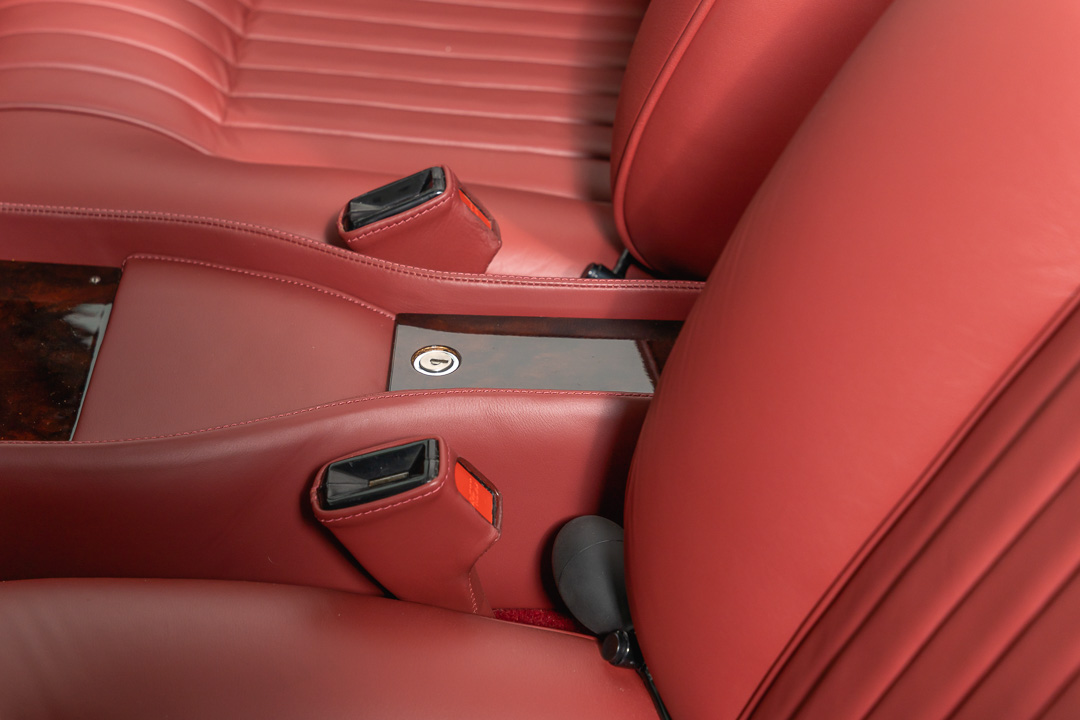
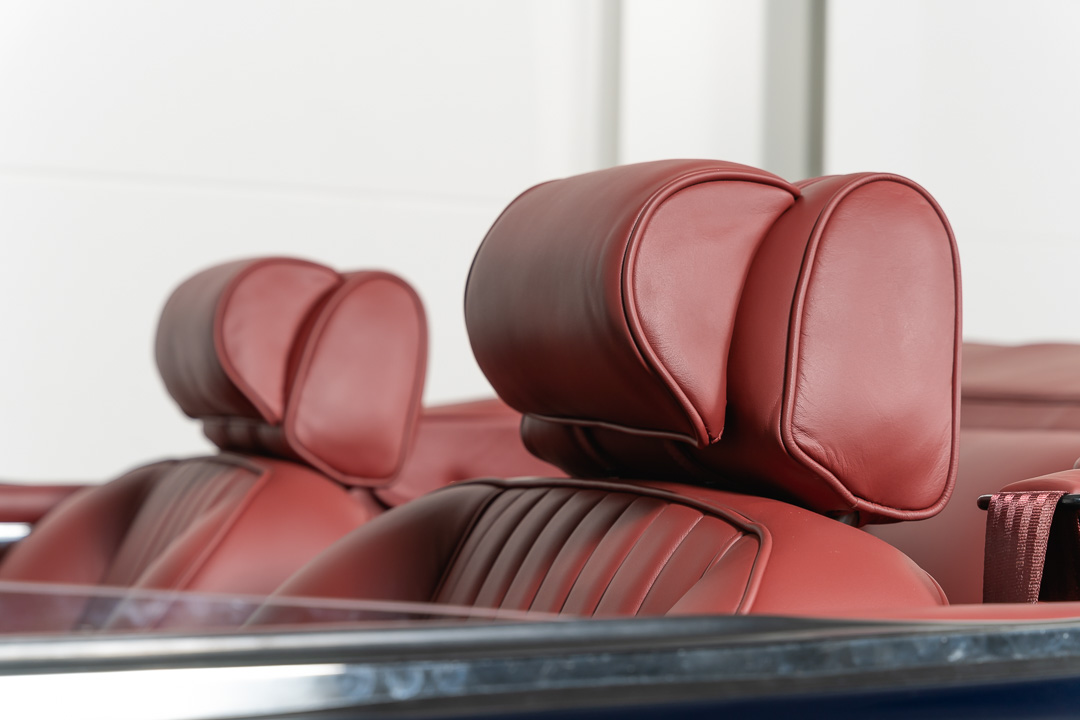
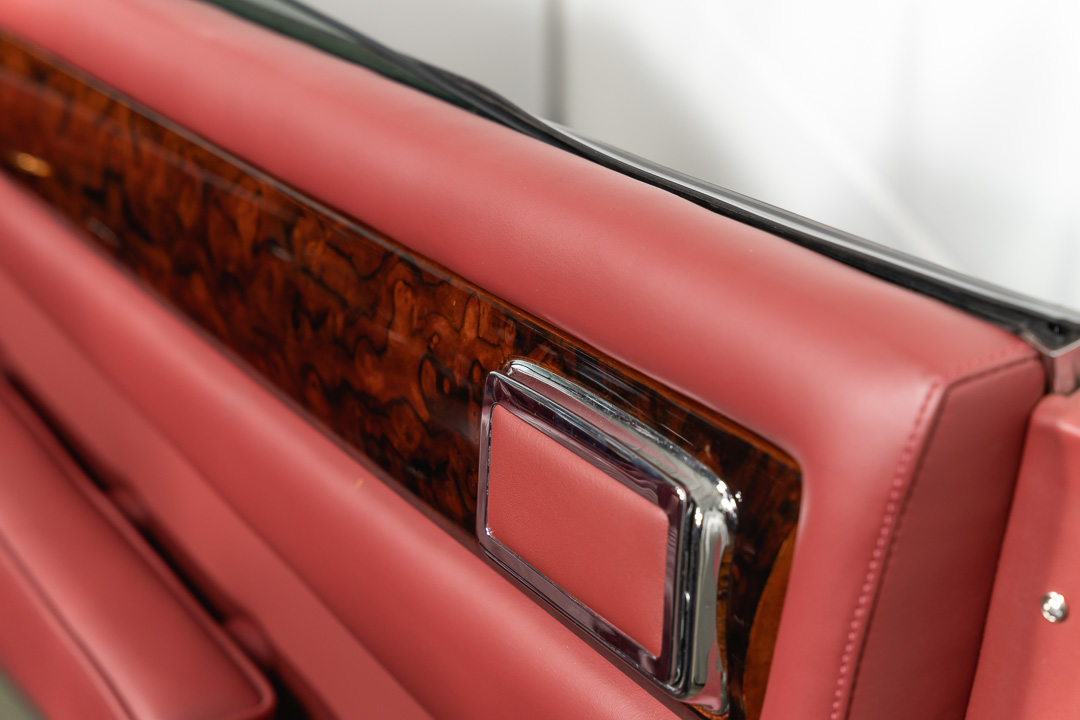
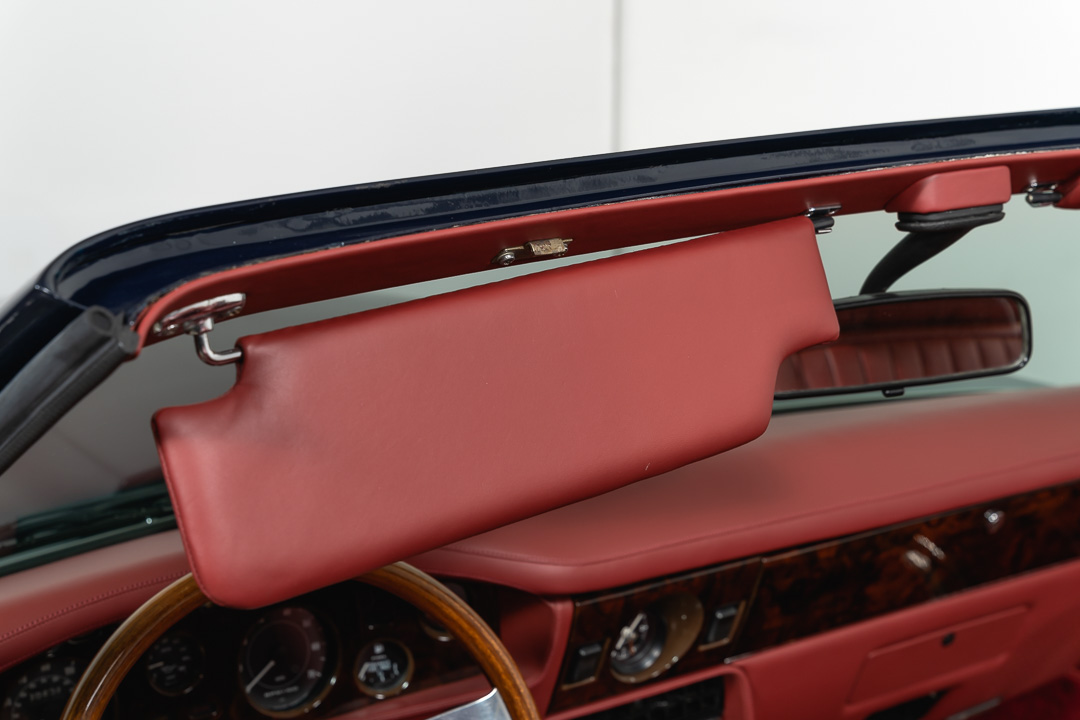
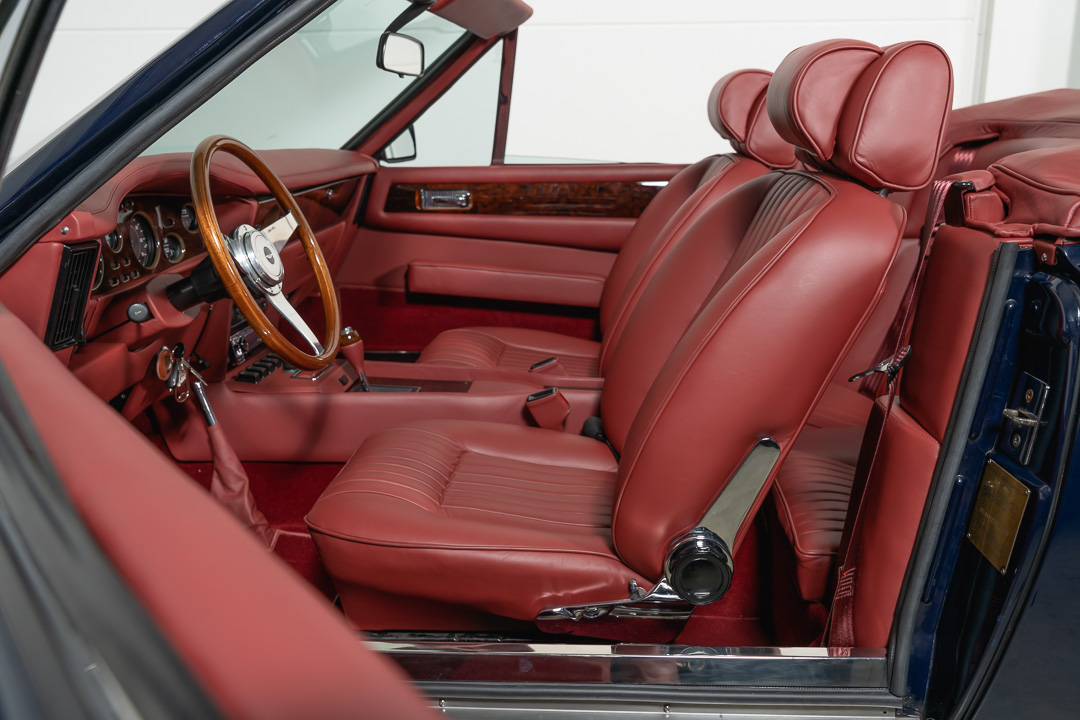
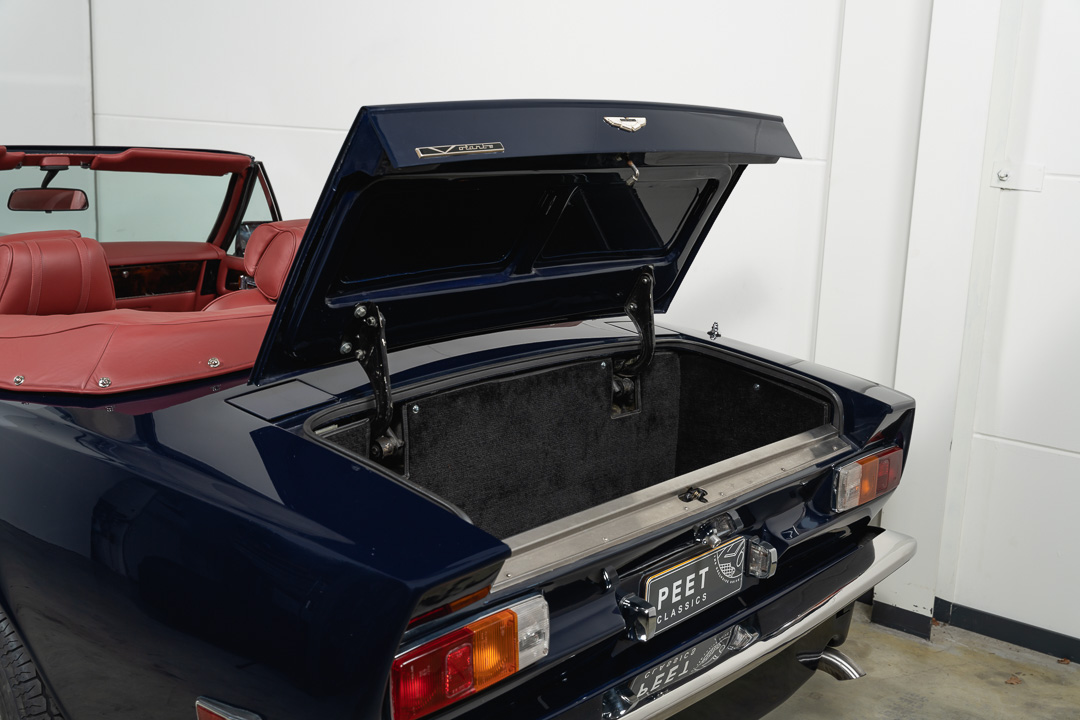
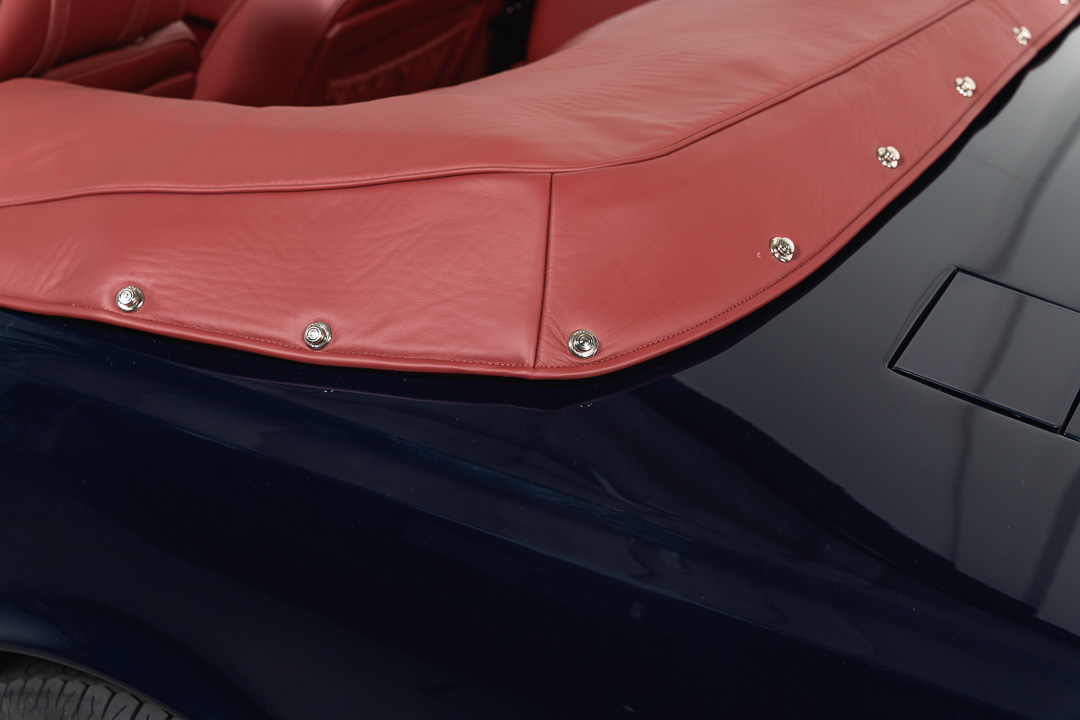
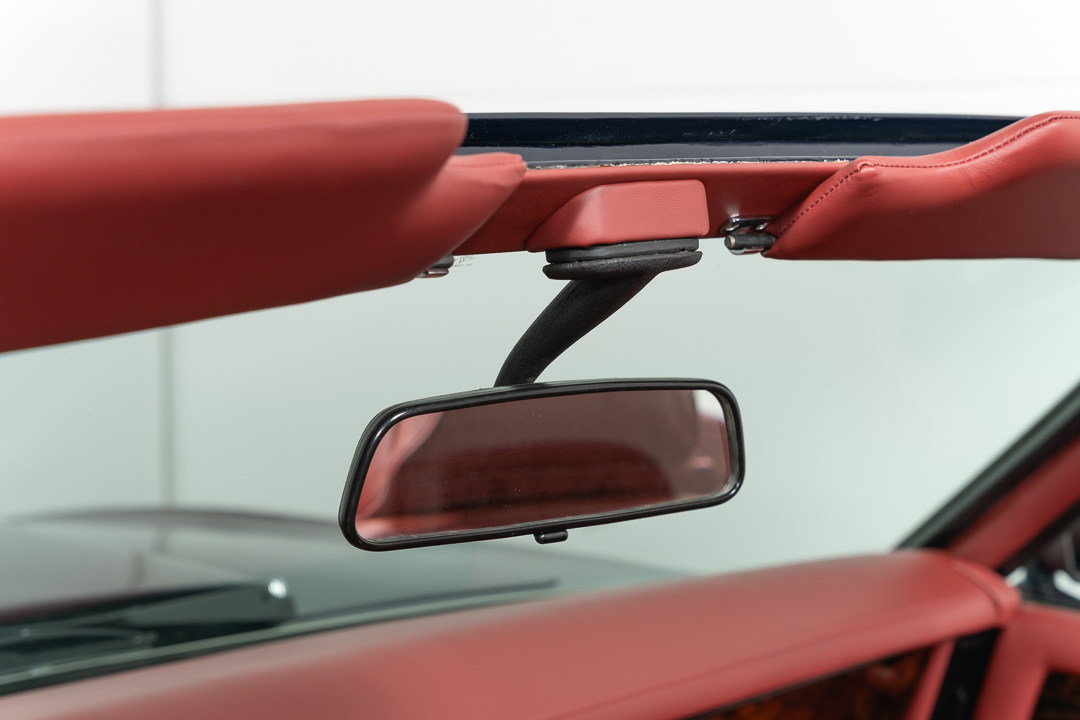
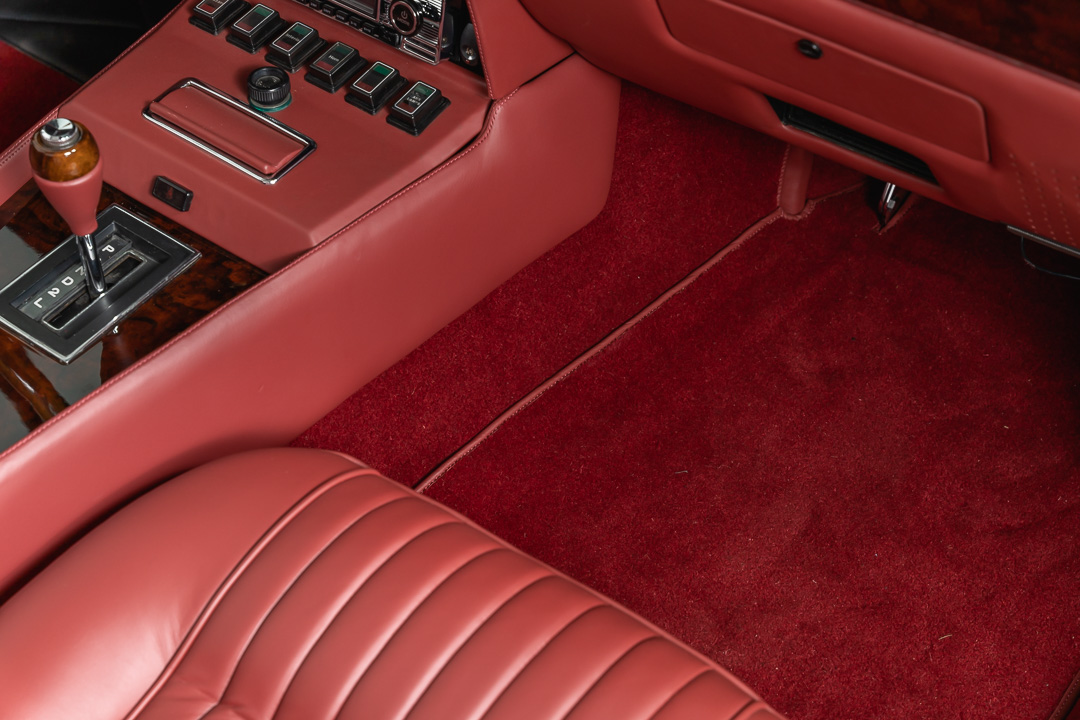
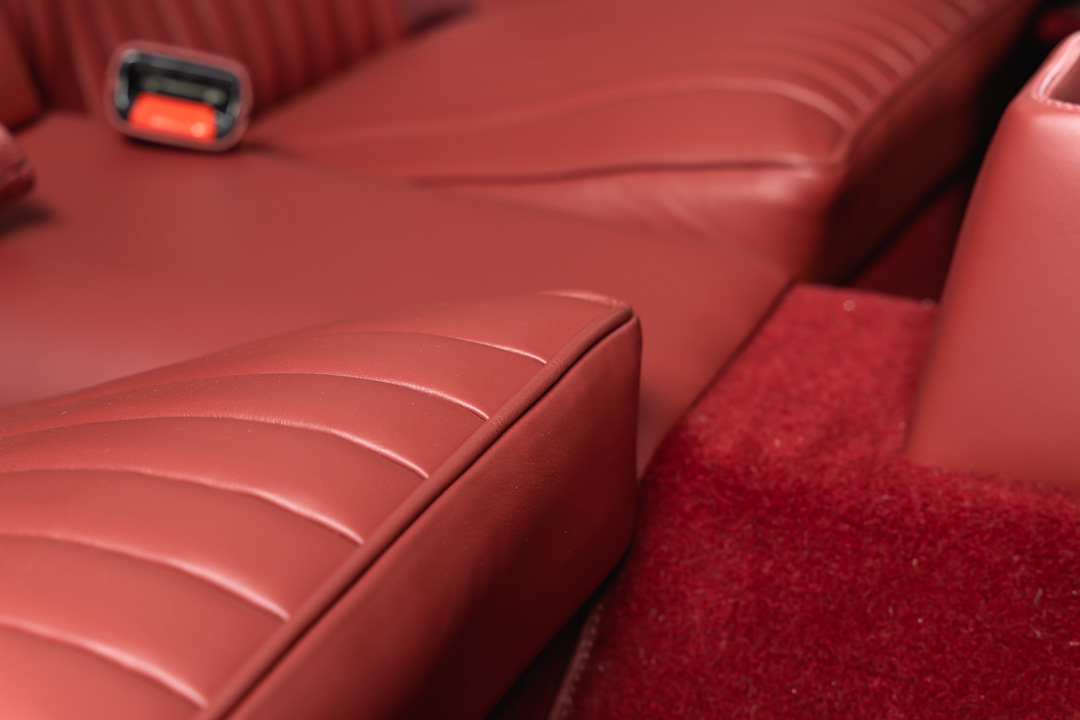
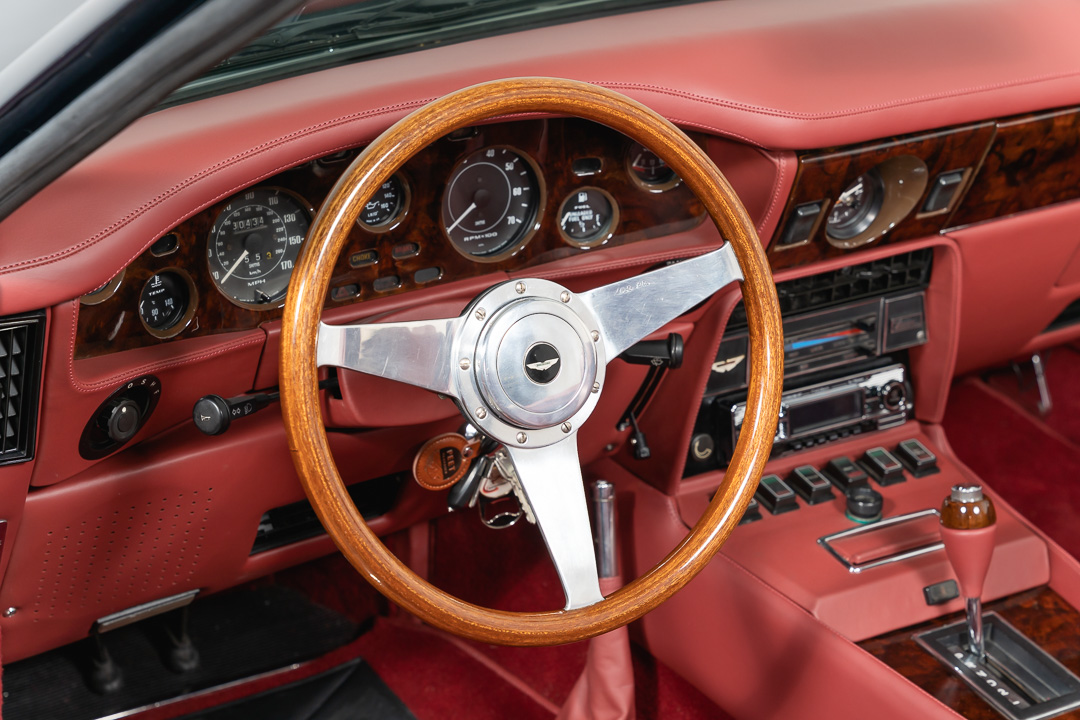
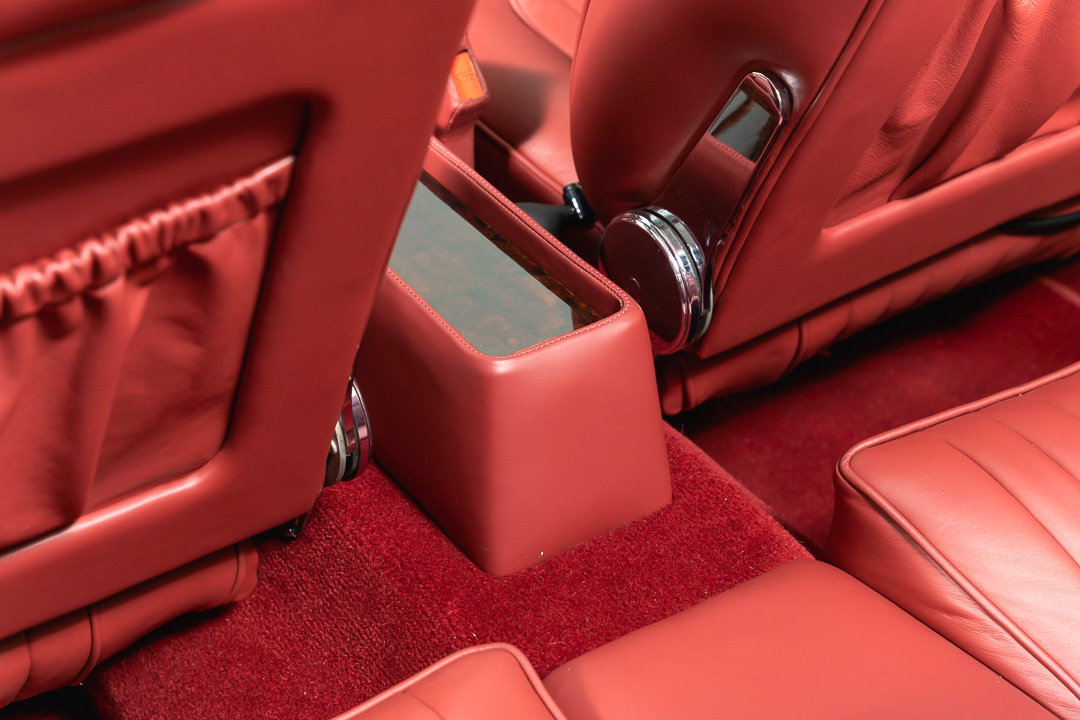
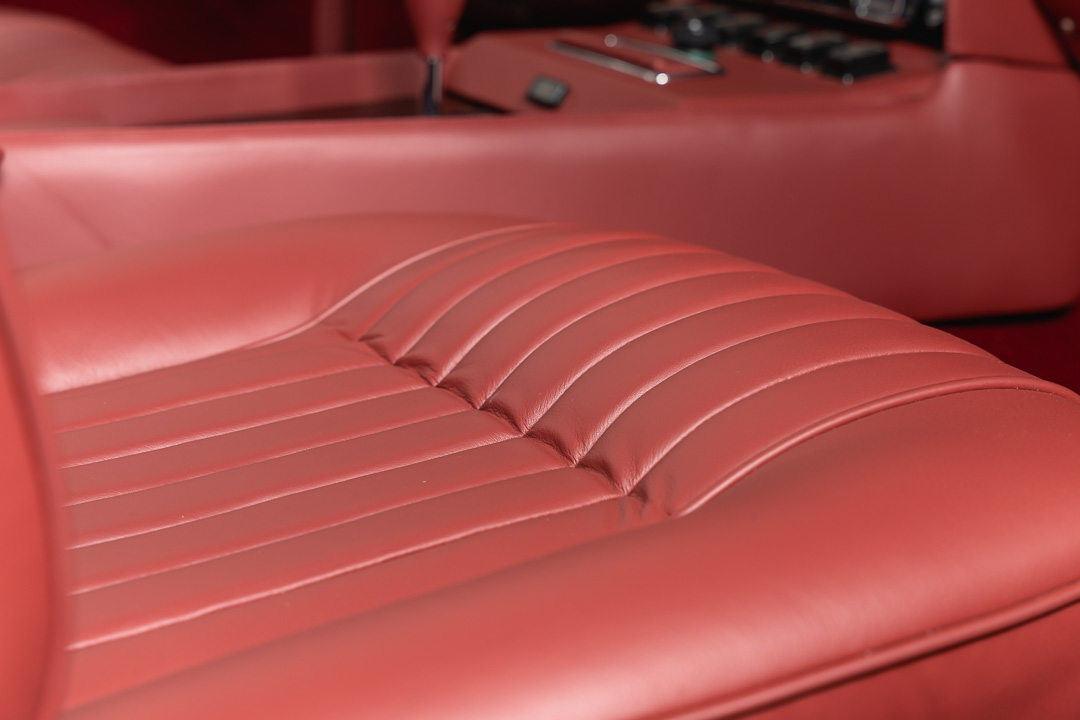
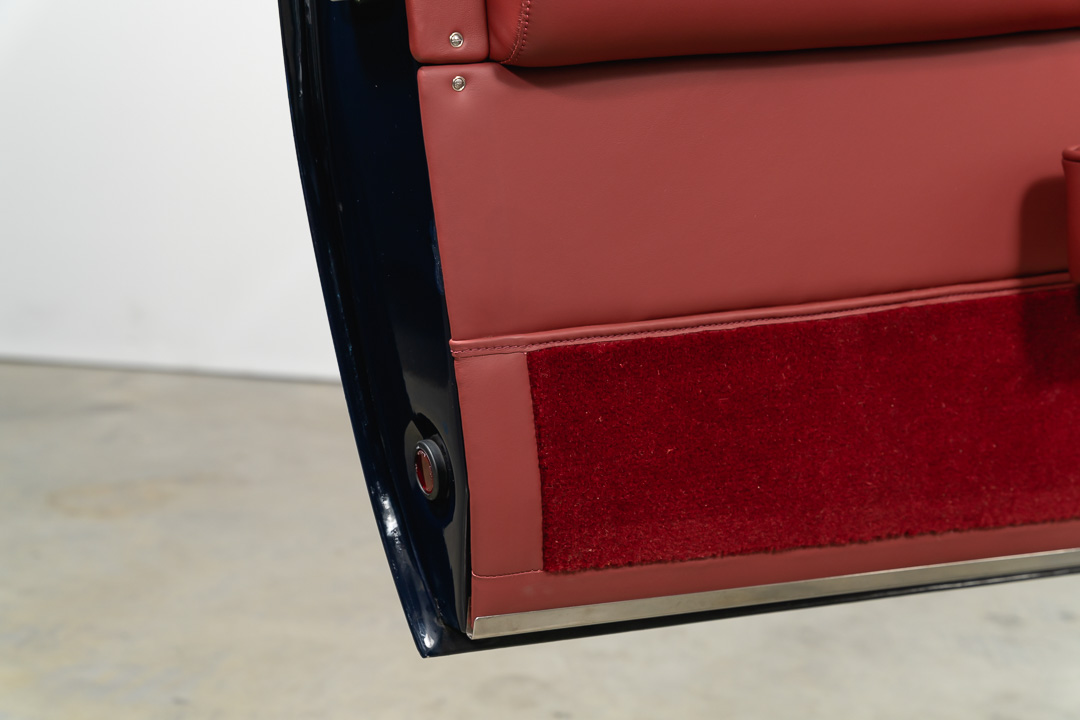
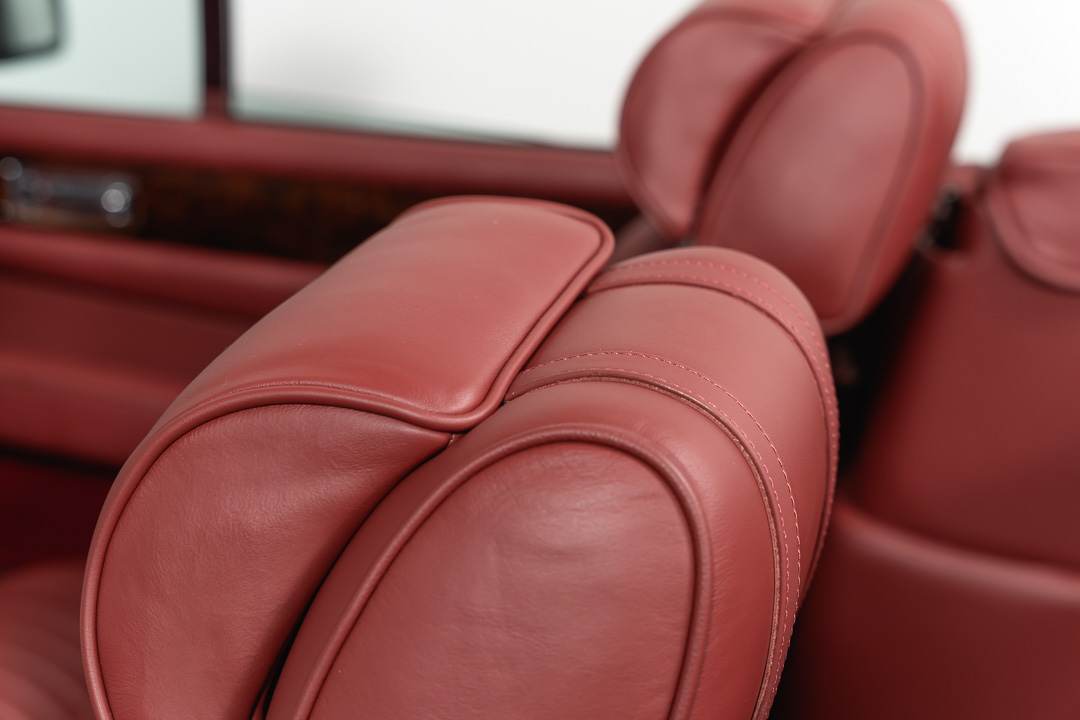
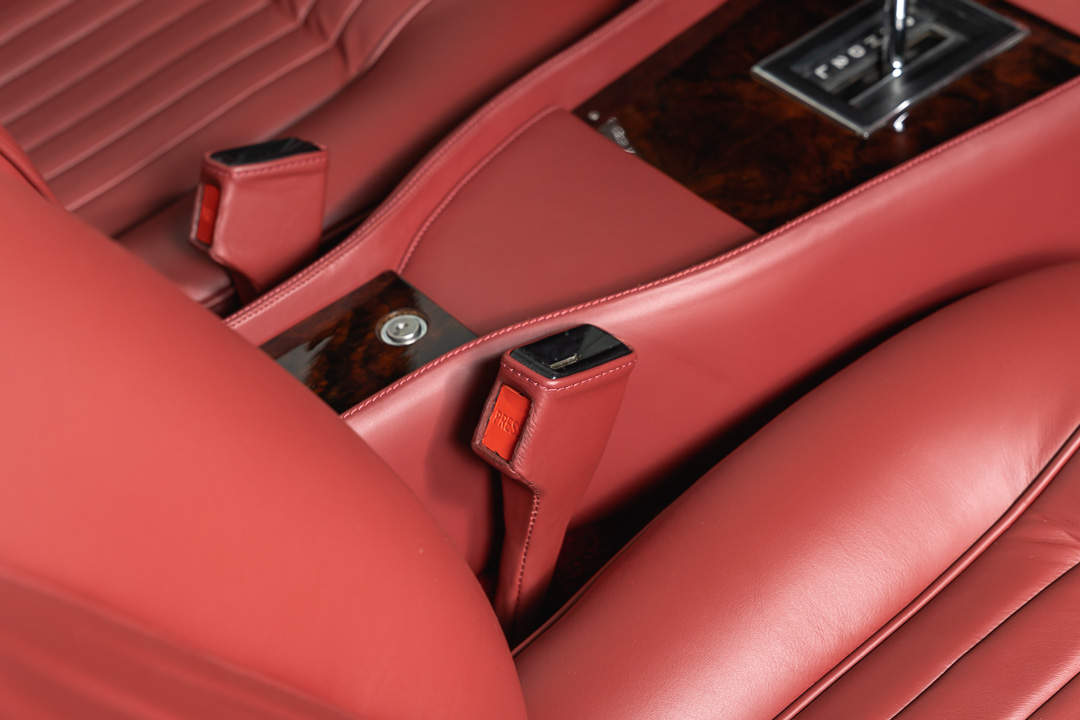
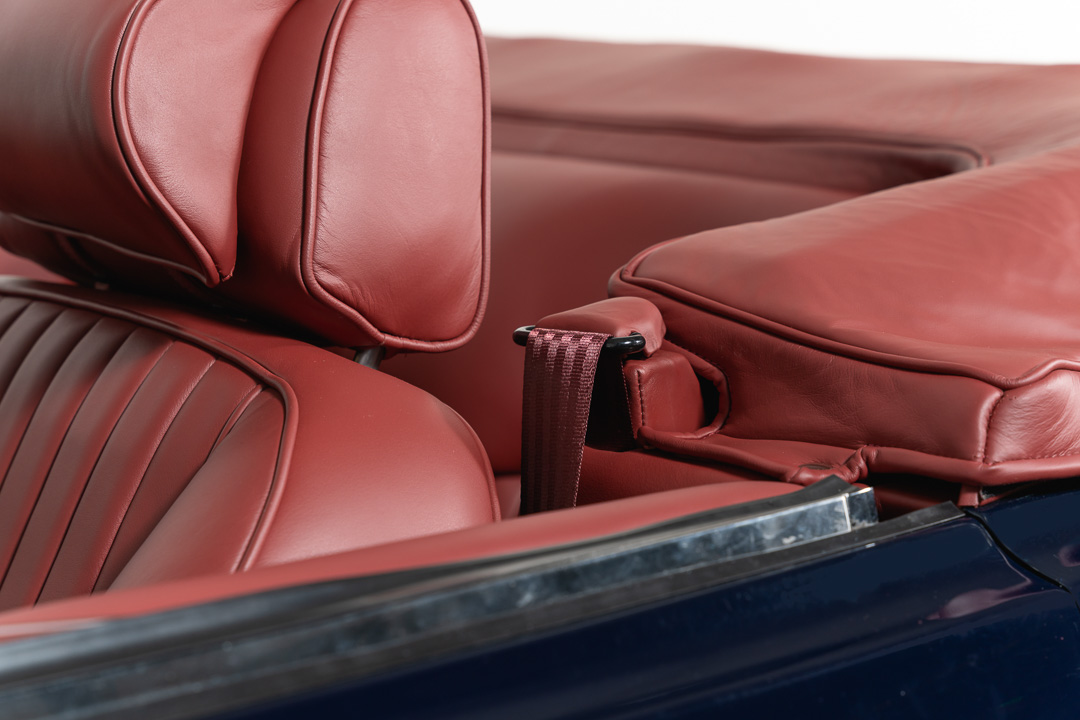
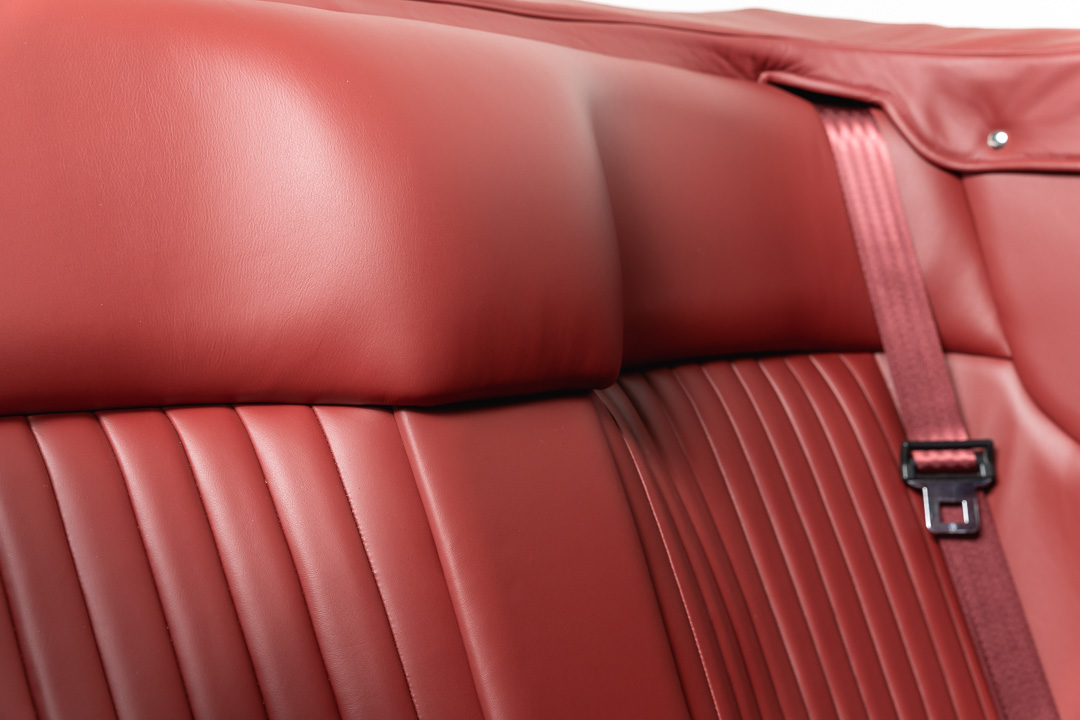
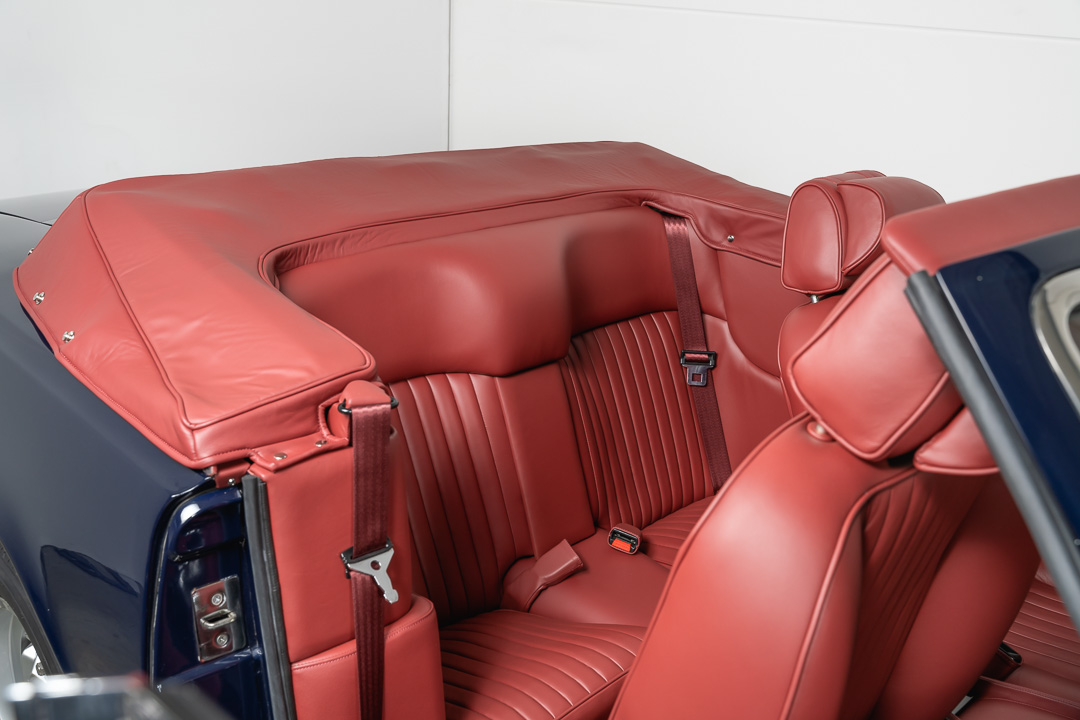
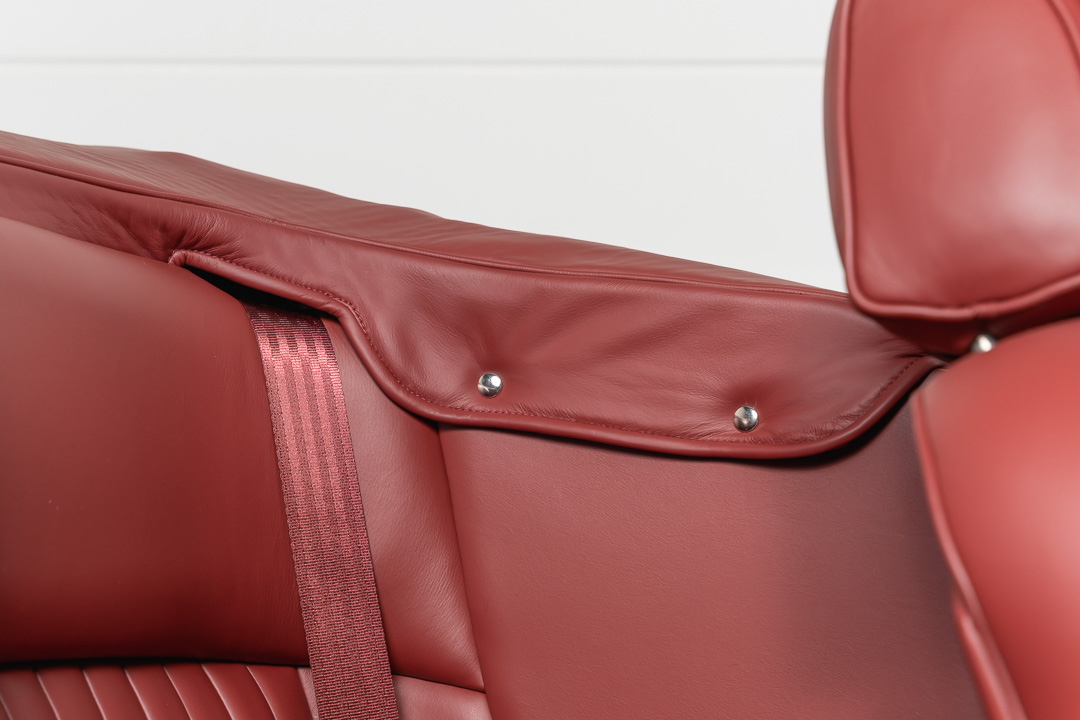
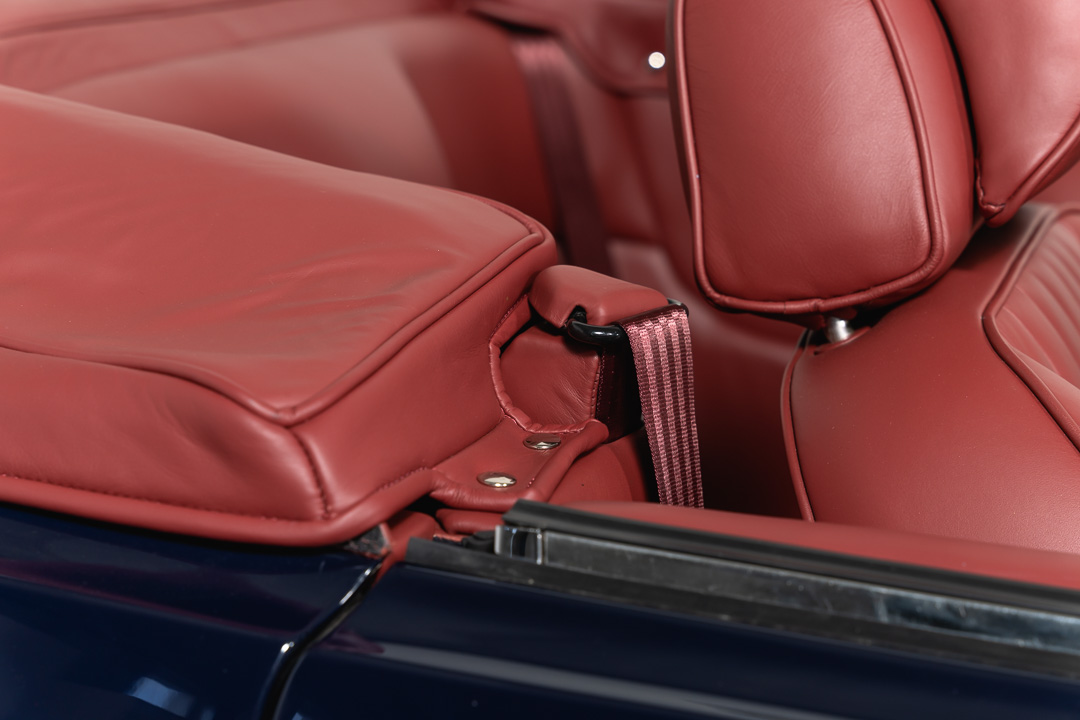
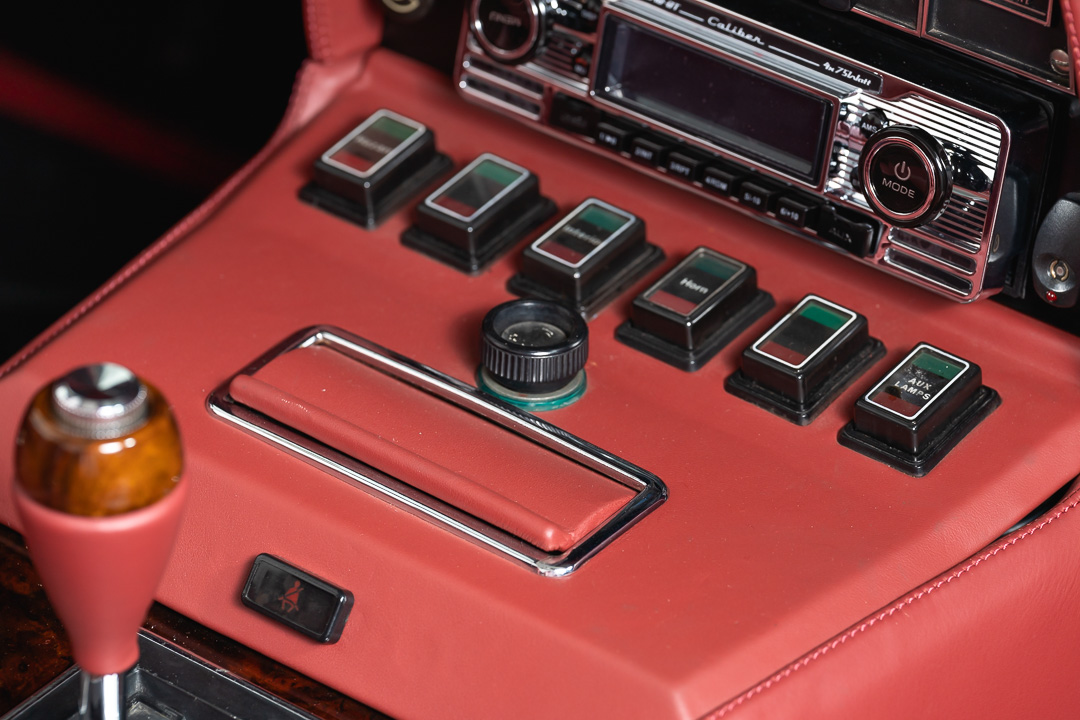
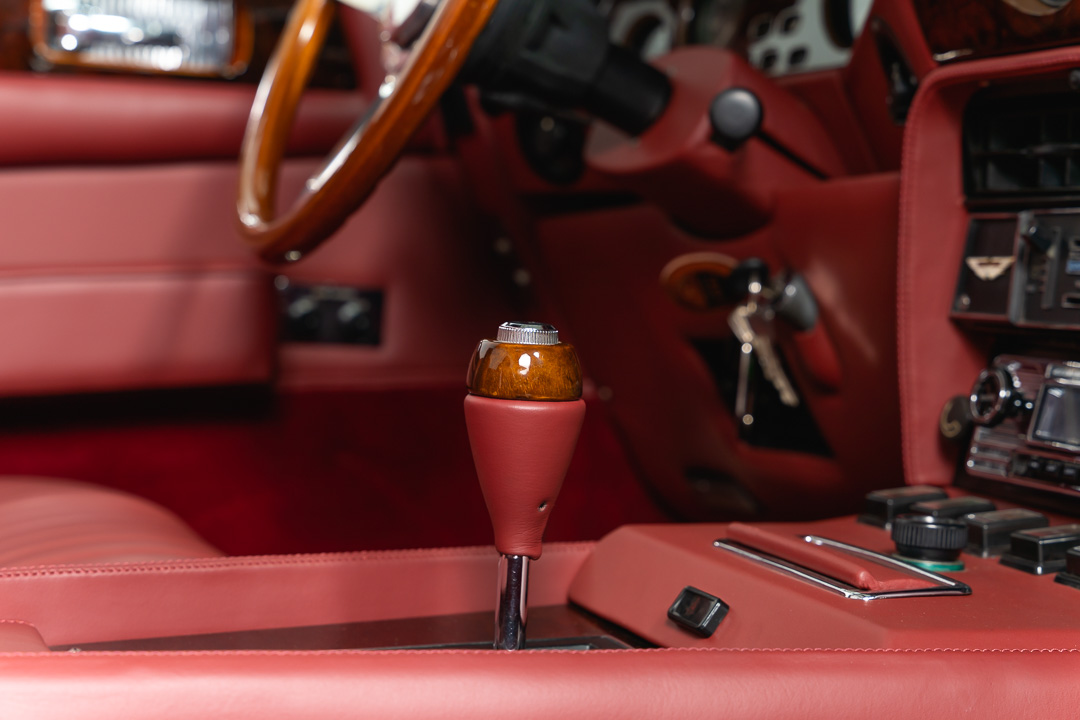
The Aston Martin V8 Volante: after its introduction it was so popular that the coupé version was only supplied to special order. After years of use, the current owner wanted to give the car a well-deserved update. The braking system has been revised and the car has been given a much better-shifting four-speed gearbox, which greatly enhances the driving pleasure. We completely replaced the entire interior, which was very worn, without losing a single detail. We used the finest materials to achieve this. Every visible decorative stitch was made with great care. Our regular woodworker re-veneered and lacquered the wooden parts in the original manner. On the convertible-hood frame we replaced the wooden parts that were in poor condition. The headlining, insulation set and convertible hood were all made to measure. The new trims were made to measure to finish everything off.
This too was an enormous challenge, with (we think) a perfect end result.
History of this model:
The V8 is a model by the Aston Martin marque. This type was produced continuously (with virtually unchanged looks) for almost 20 years, from 1970 to 1989. Both a Vantage and a Volante version were made, and there was also a particular series adapted to the wishes of Britain’s Prince Charles. This series was called the AMV8 PoW (Prince of Wales) specification. The car was designed by William Towns.
The engine of this car, like the V8 as a whole, is regarded as a legend and lasted even longer than the car itself. It was a V8 engine with two valves per cylinder, designed by Tadek Marek, which proved to be very reliable and powerful. The last (modified) version rolled off the line on 20 October 2000 in a special Aston Martin V8 Vantage Volante. The first models used a Bosch fuel-injection system, but because of high prices, poor quality and the length of time needed to install this system in the engine, it was abandoned from the second V8 model onward. The old Aston Martin DBS had also used this engine with the same system. Subsequently, in 1973, Weber carburettors were fitted, and these gave the V8 an acceleration unheard of at the time, from 0 to 100 in 5.7 seconds — two-tenths quicker than the fuel-injected engines. As happened with most Astons in those days, however, the cars became ever heavier and more luxurious, and so lost top speed and acceleration. Most AMV8s were supplied with a Chrysler automatic transmission (Torqueflite). (Source: Wikipedia)
Photos by www.rauwworks.nl